



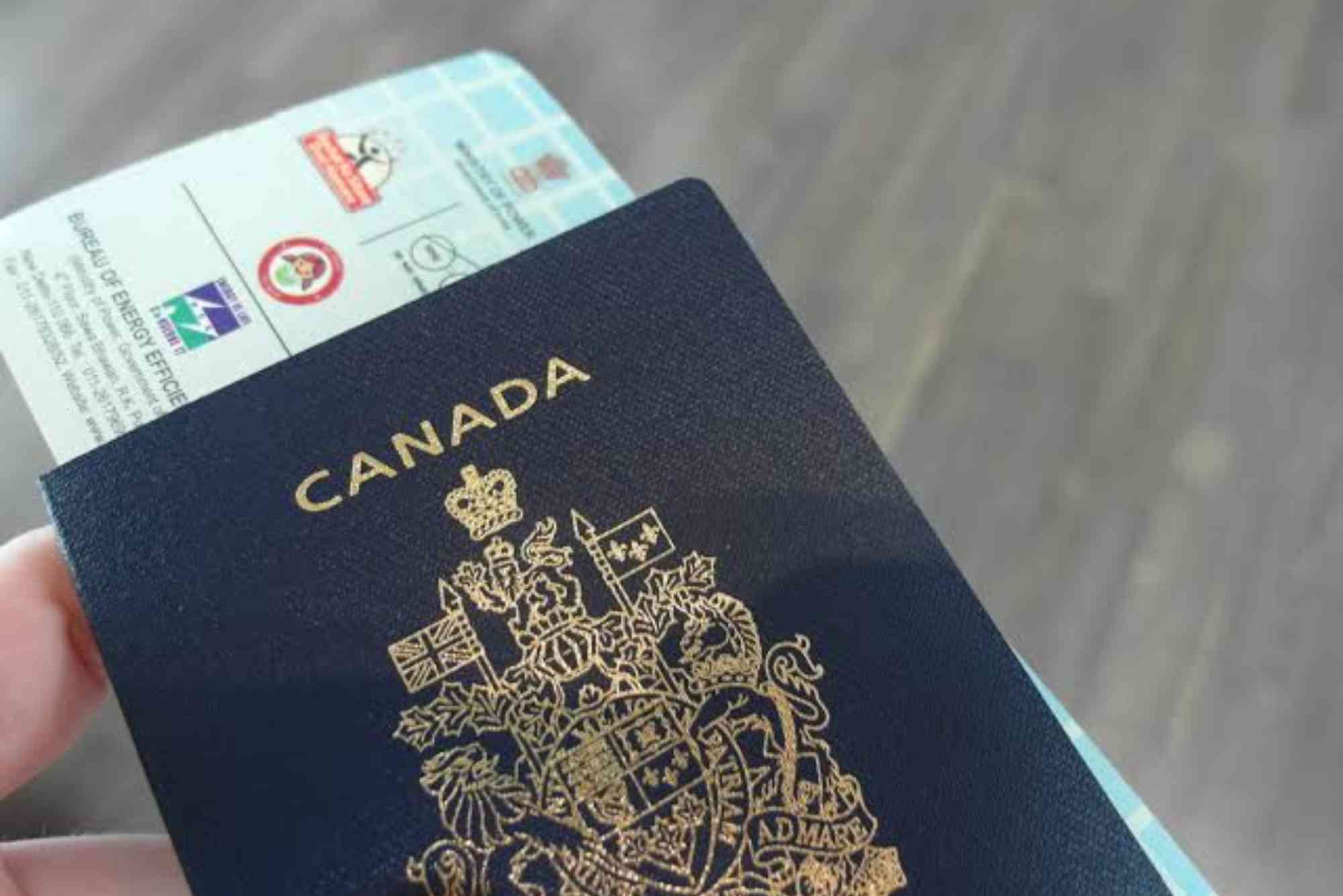
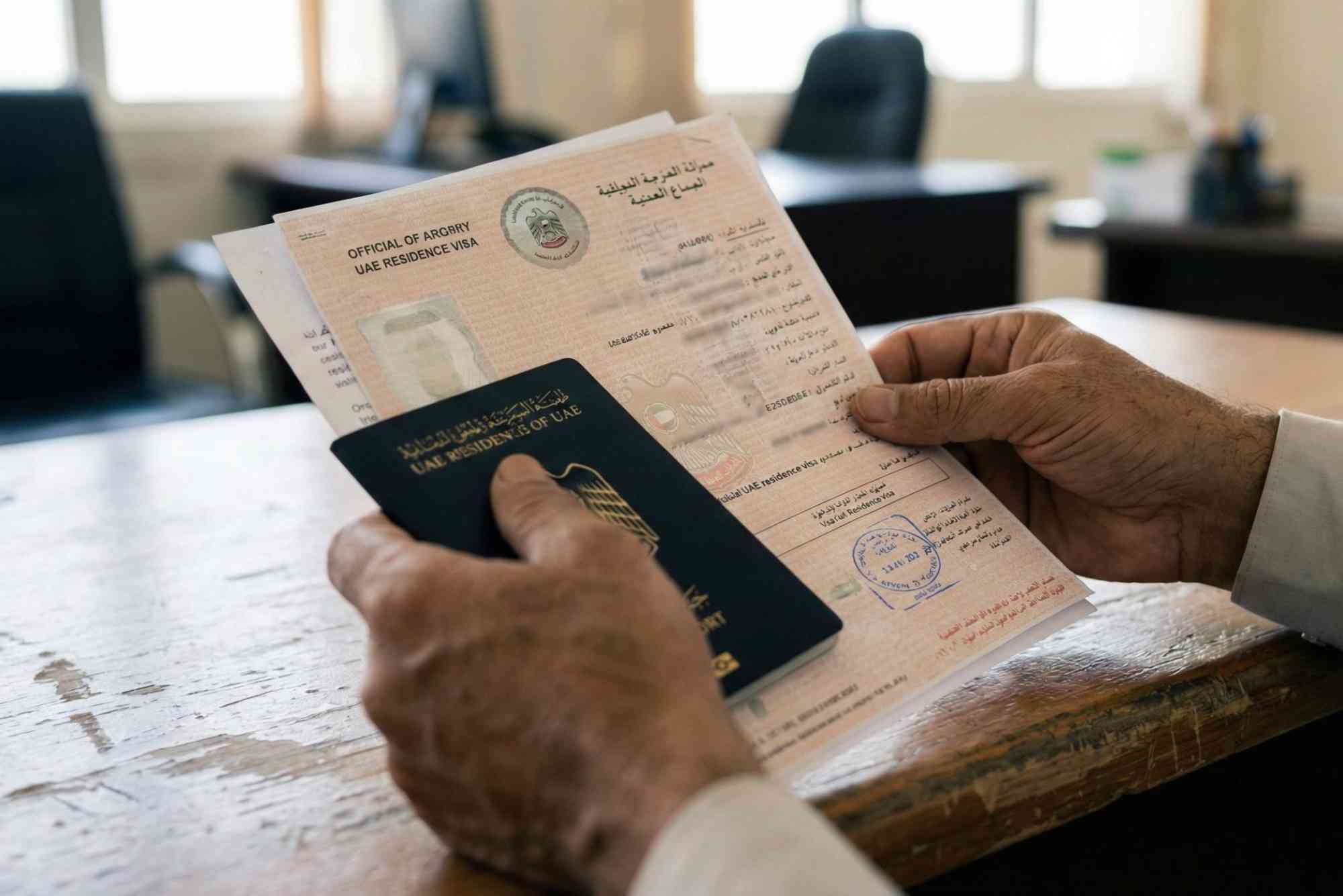



Many people in the UAE rely on notarization for personal, business, financial, and legal matters. Whether someone is buying property, granting a Power of Attorney, setting up a company, transferring shares, authenticating signatures, or confirming the validity of agreements, notarization is a crucial step. A Notary Public Dubai plays a central role in verifying identities, confirming authenticity of signatures, and ensuring that documents meet the legal standards required under UAE law.
The range of documents that can be notarized in Dubai is much broader than most people realize. From everyday affidavits to complex corporate resolutions, notarization helps ensure transparency, enforceability, and legal compliance. Below is a fully detailed explanation of the documents accepted for notarization, why notarization is required, and how Dubai lawyers support individuals and businesses through the process.
Understanding What a Notary Public Does in Dubai
A Public Notary in Dubai is authorized by the government to verify, authenticate, and confirm the validity of legal documents. Their role is especially important because notarized documents often serve as legally binding evidence in courts, banks, government departments, and private institutions.
A notary’s duties include:
- Verifying the identity of signatories
- Ensuring the document is signed willingly and without pressure
- Confirming the accuracy of declarations
- Certifying signatures
- Attesting copies as true copies of the original
- Preparing or approving legal instruments
- In Dubai, notarization can be carried out at:
- Government Notary Public offices
Dubai Courts
- Online smart services (remote notarization)
- Authorized private notaries (for after-hours or urgent cases)
- Understanding which documents qualify for notarization helps individuals avoid delays and ensures compliance with UAE law.
Personal Legal Documents Accepted for Notarization
Many personal legal documents require notarization to become valid and enforceable. These include:
1. Powers of Attorney (POA)
One of the most commonly notarized documents in the UAE is the Power of Attorney. Residents and expatriates often need a POA when traveling, delegating responsibilities, or conducting transactions through someone else.
Notary Public Dubai can notarize:
- General Power of Attorney
- Special Power of Attorney
- Property POA
- Vehicle transfer POA
- Business POA
- Family-related POA (schooling, child permissions, etc.)
Proper notarization ensures that the agent has recognized legal authority to act.
2. Affidavits and Sworn Statements
Affidavits are written statements declared as true. These are used for numerous purposes including:
- Financial declarations
- Proof of residence
- Proof of relationship
- Lost passport declarations
- Single status affidavits
- Name change declarations
A notarized affidavit serves as legally recognized proof.
3. Passport and ID Declarations
Sometimes embassies, banks, or government offices require notarized declarations confirming identity details, lost documents, or certification of passport copies.
A notary can certify:
- True copies of passport
- Emirates ID copies
- Residence visa pages
This certification is often required for foreign embassies or international transactions.
4. Marriage-related Documents
Certain marriage-related declarations need notarization, such as:
- Consent letters
- Premarital agreements
- Marital status confirmations
- Declarations for overseas marriage applications
These notarized documents serve as formal proof when applying with embassies or courts.
5. Wills and Estate Planning Documents
While wills may require registration at the DIFC or Dubai Courts, many supporting documents must be notarized, including:
- Instructions to executors
- Guardianship declarations
- Financial disclosures
This ensures the will is legally recognized and enforceable.
Business and Corporate Documents Accepted for Notarization
Corporate entities in Dubai rely heavily on notarization due to strict regulations and the need for transparency in business dealings.
1. Memorandum of Association (MOA) and Amendments
When forming a company or modifying ownership, the MOA or its amendments must be notarized.
This includes:
- Change of partners
- Change in capital
- Change in business activity
- Addition or removal of shareholders
A notarized MOA ensures the company structure is legally binding.
2. Board Resolutions
Corporate decisions involving financial, administrative, or operational matters often require notarized resolutions.
Examples include:
- Appointing a manager
- Authorizing bank signatories
- Approving major purchases
- Approving share transfers
Banks and government authorities require notarized copies.
3. Share Transfer Agreements
When buying or selling shares in a UAE mainland company, notarization is mandatory to make the transfer valid under UAE law.
4. Partnership Agreements
This applies to:
- General partnership agreements
- Joint venture agreements
- Silent partnerships
- Limited partnerships
A notary confirms the legitimacy of the partnership.
5. Commercial Contracts
While not all business contracts need notarization, many parties prefer notarized agreements for higher legal enforceability.
Examples include:
- Agency agreements
- Distribution agreements
- Service contracts
- Commercial leases
A notarized contract holds stronger weight in dispute situations.
Property and Real Estate Documents Accepted for Notarization
Property transactions are among the most sensitive legal matters in Dubai. Proper notarization protects owners, buyers, and families.
1. Property Purchase Agreements
Some buyers seek notarized agreements for added protection, even if the final sale is registered through DLD.
2. Rental Agreements (Special Cases)
While Ejari handles most rental contracts, certain types of leases still require notarization—especially those involving long-term leasing, family property arrangements, or special POAs.
3. No-Objection Certificates (NOCs)
Sometimes individuals need notarized NOCs for property-related matters, such as granting permission for renovations or confirming something about the property.
Family-Related Documents Accepted for Notarization
Family matters often require notarized documents for legal protection.
1. Child Travel Consent Letters
Parents who travel separately from their children must provide notarized consent for the child to leave the country.
Airline staff and immigration officers frequently request this.
2. Guardianship Agreements
If parents assign guardianship rights temporarily or permanently, notarization ensures legal recognition.
3. Financial Support Declarations
When families settle financial matters, they sometimes notarize the agreement to avoid disputes later.
Financial and Banking Documents Accepted for Notarization
Banks often require notarized documents for safety and compliance.
These include:
- Loan settlement agreements
- Debt declarations
- Guarantee letters
- Investment authorization documents
- Confirmation of financial obligations
A notary makes these documents valid in the eyes of financial regulators.
Why Notarization Matters in the UAE
Notarization is essential for ensuring:
- Authenticity
- Legal enforceability
- Transparency
- Compliance with UAE laws
- Recognition by courts
- Protection against fraud
Because Dubai’s legal system places strong emphasis on documented transactions, notarization prevents misunderstandings and builds trust between parties.
The Impact of Remote and Online Notary Services
The UAE now offers remote notarization, which allows people to:
- Sign documents online
- Verify identity through video call
- Upload digital copies
- Receive digitally notarized documents
This digital transformation has made notarization faster and more convenient, especially for professionals, investors, and expatriates who have busy schedules.
How Dubai Lawyers Help With Notarization
While many documents can be notarized directly by individuals, many clients prefer to work with legal professionals because mistakes in wording, formatting, or signatures can cause delays.
Dubai lawyers assist by:
- Drafting legally accurate documents
- Preparing POAs, contracts, MOAs, and affidavits
- Ensuring correct legal terminology
- Guiding clients on required IDs and supporting papers
- Ensuring documents comply with UAE regulations
- Handling the notarization process
- Coordinating with courts or private notaries
- Reviewing documents for future disputes
Notarization is not just about signing — it is about ensuring the document is enforceable and fully compliant with UAE law.
Final Thoughts
A wide range of documents can be notarized by a Notary Public Dubai, covering personal, corporate, property, financial, and family matters. Whether you are executing a Power of Attorney, buying property, forming a company, transferring shares, writing an affidavit, or authenticating copies, notarization ensures the document is recognized by government entities, courts, banks, and private institutions.
Notarization confirms authenticity, prevents disputes, and strengthens legal protection. With the support of knowledgeable Dubai lawyers, the process becomes smoother, faster, and more reliable — especially for individuals handling sensitive or complex legal matters.
NOTE:

