





Australia is home to the world’s finest opals, so it’s no surprise that travelers and collectors dream of buying one during their visit. If you plan to explore opal stores from Lightning Ridge to Coober Pedy, understanding the essentials can save you stress and money. This Australia Gem Guide: Opal Shopping Dos and Don’ts gives you everything you need to shop with confidence. Throughout this guide, the focus keyword appears naturally so you can read and learn with ease.
Buying opals can feel overwhelming at first. However, once you understand the basics of color, clarity, patterns, and treatments, the experience becomes exciting instead of confusing. This guide walks you through practical advice based on real industry knowledge, helping you make smart choices from the moment you enter a shop.
Understanding Australia’s Opal Reputation
Australia produces more than 90% of the world’s precious opal. Its opal fields are known for producing stones with unmatched play-of-color, brilliant fire, and strong durability. When you shop here, you’re experiencing the heart of the global opal market. Because of that, it’s essential to know the Australia Gem Guide: Opal Shopping Dos and Don’ts before spending your money.
Why Opals Are So Varied in Price and Appearance
Opals are formed from a long, natural process involving silica and groundwater. Because conditions vary, every opal is unique. Two stones of similar size may look completely different, which affects value. The Australia Gem Guide: Opal Shopping Dos and Don’ts helps you understand how factors like body tone, brightness, and pattern influence price.
The Importance of Learning the Basics Before You Buy
Even a little knowledge helps you avoid overpaying or buying a treated stone without realizing it. Many travelers feel rushed in shops. With this Australia Gem Guide: Opal Shopping Dos and Don’ts, you’ll be able to slow down and evaluate pieces with a clear mindset.
Recognizing Natural Opals Versus Treated or Synthetic Ones
Knowing what you’re looking at is vital. Natural opals come from the ground with no artificial enhancements. Treated stones may be smoked, dyed, or filled. Synthetic opals are lab-grown. All types can be sold legally, but transparency matters. If a seller avoids answering treatment questions, consider it a red flag.
Evaluating Color Play and Patterns With Confidence
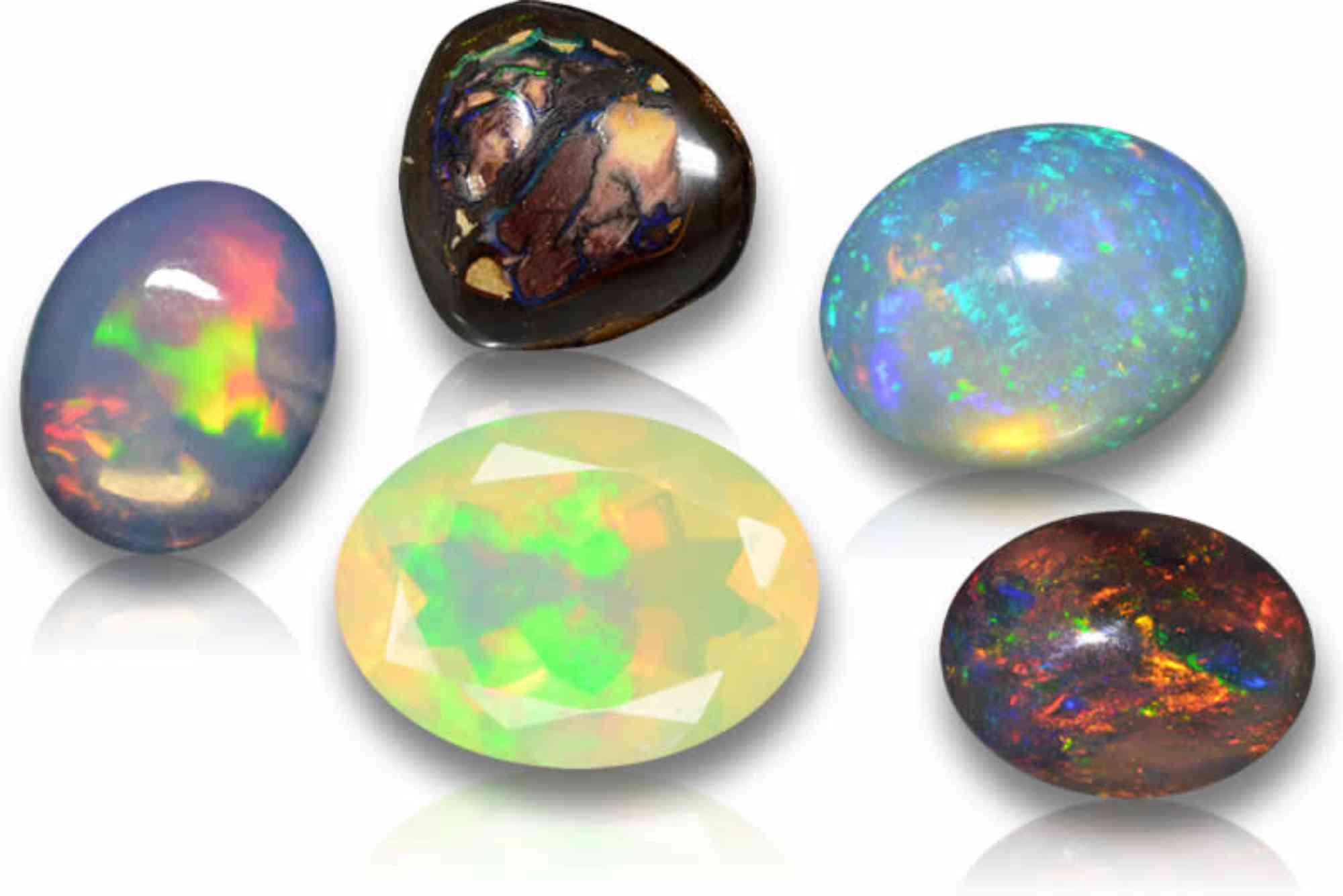
Color is the soul of an opal. When following the Australia Gem Guide: Opal Shopping Dos and Don’ts, focus on brightness, direction of color, and how the colors shift. Strong flashes and multi-directional play-of-color usually indicate higher value. Patterns such as harlequin, pinfire, or ribbon can also raise price.
Examining Body Tone and Why It Matters
Body tone refers to the base color of the opal. Dark and black opals often display stronger fire. White or light opals can be beautiful too, but generally cost less. Understanding this helps you compare stones more accurately, which is essential when applying the Australia Gem Guide: Opal Shopping Dos and Don’ts during shopping.
Checking for Cracks, Crazing, and Structural Weakness
A high-quality opal should not have cracks or signs of crazing. Hold the stone under light and tilt it gently. Look for irregular lines. If a shop discourages you from examining the stone closely, walk away. The Australia Gem Guide: Opal Shopping Dos and Don’ts encourages you to take your time with inspection.
Understanding Price Differences in Lightning Ridge, Coober Pedy, and Queensland
Each region produces different types of opal. Lightning Ridge is known for black opals. Coober Pedy produces classic white opals. Queensland is famous for boulder opal. Each type carries its own price range. Researching these differences helps you follow the Australia Gem Guide: Opal Shopping Dos and Don’ts with accuracy.
Importance of Certificates and Authenticity Checks
A trustworthy shop provides certificates from recognized gemological bodies. These documents verify whether the opal is natural, synthetic, or treated. Never rely on verbal claims alone. This is one of the most important points in the Australia Gem Guide: Opal Shopping Dos and Don’ts because it protects you from costly mistakes.
Avoiding High-Pressure Sales Environments
Some shops use urgency tactics to make you buy fast. A real opal dealer respects your decision-making process. If someone pushes too hard, take a step back. According to the Australia Gem Guide: Opal Shopping Dos and Don’ts, a calm environment is a sign of professionalism.
Asking the Right Questions Before You Pay
Questions reveal a dealer’s honesty and expertise. Ask where the stone was mined, whether it’s treated, how it should be cared for, and what the return policy is. A good seller enjoys explaining their products. The Australia Gem Guide: Opal Shopping Dos and Don’ts encourages curiosity.
Understanding Opal Cutting and How It Affects Value
Cut quality changes everything. A well-cut opal reveals maximum fire and symmetry. Poor cutting hides color or weakens structure. When using this Australia Gem Guide: Opal Shopping Dos and Don’ts, Australia Gem Guide: Opal Shopping Dos and Don’ts check if the opal is too thin or uneven, as these traits may affect durability.
Benefits of Visiting Workshops Instead of Tourist Shops
Workshops let you meet cutters and miners who work directly with opals. This often means better prices and more transparency. The Australia Gem Guide: Opal Shopping Dos and Don’ts recommends seeking these local experts whenever possible.
Being Smart About Your Budget
Opals come in all price ranges. Set a budget before shopping so you don’t overspend. Good shops will show you quality options within your range. This Australia Gem Guide: Opal Shopping Dos and Don’ts reminds you that a beautiful opal doesn’t need to be the most expensive.
Ensuring Proper Care After Purchase
Opals need gentle care. They don’t like sudden temperature changes or harsh chemicals. Clean them with a soft cloth and store them safely. By following the Australia Gem Guide: Opal Shopping Dos and Don’ts, you protect your investment for years to come.
Common Myths About Opals You Should Ignore
Some myths suggest opals are fragile or unlucky. These ideas are outdated. Natural Australian opals are stable and durable when cut properly. This Australia Gem Guide: Opal Shopping Dos and Don’ts aims to replace myths with reliable knowledge.
FAQ: People Also Ask
What should I look for when buying an opal?
Focus on brightness, pattern, body tone, and transparency. Always verify authenticity and check for treatments.
Are Australian opals worth the price?
Yes. Australia produces world-class opals known for exceptional color and durability, making them valuable investments.
How do I know if an opal is real?
A real opal shows natural patterns and irregularities. Request certificates from reputable gem labs for confirmation.
Is it better to buy opals in Australia?
Buying in Australia gives access to authentic stones, expert cutters, and better prices compared to many overseas markets.
Do opals crack easily?
High-quality Australian opals are stable. Cracking usually occurs from poor cutting or extreme environmental changes.
Shop Smart and Enjoy the Journey
With the help of this Australia Gem Guide: Opal Shopping Dos and Don’ts, you can walk into any opal shop with confidence. Enjoy the experience, take your time, and choose a stone that speaks to you. When you’re ready to explore more gemstone insights or discover curated collections, connect with trusted experts who can help you find the perfect opal.

