






The Complete Hiking Guide to United Arab Emirates: Trails, Planning & Safety
Hiking in the United Arab Emirates offers an extraordinary mix of natural beauty, challenging terrains, and unique cultural experiences. From rugged mountains to serene desert landscapes, the UAE provides trails that cater to beginners and experienced hikers alike. This guide covers everything you need to know about hiking in the UAE, including trail recommendations, planning tips, and essential safety guidelines.
Why Hiking in the UAE is a Must-Experience
The UAE is not just skyscrapers and luxury shopping; its landscapes hide natural treasures ideal for hiking. Hikers can explore the Hajar Mountains, enjoy coastal views, or wander through desert dunes. Hiking in the UAE combines physical activity, adventure, and the chance to experience local heritage and wildlife.
Best Hiking Trails in the UAE
Hajar Mountains Adventures
The Hajar Mountains, spanning Ras Al Khaimah and Fujairah, offer some of the most challenging and scenic trails. Hikers can enjoy steep ascents, rocky paths, and panoramic views. Popular trails include Jebel Jais, the UAE’s highest peak, and Wadi Shawka, ideal for a moderate day hike with natural pools along the way.
Desert Hiking Experiences
For a truly unique experience, desert trails in Liwa and Al Marmoom provide endless sand dunes and quiet solitude. Hiking early in the morning or late afternoon ensures a cooler, more enjoyable trek. Desert trails also allow hikers to experience traditional Bedouin culture and encounter desert wildlife.
Coastal Trails and Mangrove Walks
The UAE’s coastlines offer scenic and easy hikes. Mangrove trails in Abu Dhabi provide opportunities for birdwatching and kayaking, while Fujairah’s coastline features seaside paths with dramatic cliff views. Coastal trails are perfect for families and those seeking a less strenuous hike.
Urban Hiking Opportunities
Even within city limits, the UAE offers urban trails for outdoor enthusiasts. Dubai has several parks and promenades with well-marked walking paths. These trails allow hikers to enjoy fitness routines without leaving the city.
Planning Your UAE Hiking Adventure
Best Time to Hike
The UAE’s climate is hot for much of the year, so the best hiking seasons are from October to March. During these months, temperatures are mild, and humidity is lower, making outdoor activities safer and more enjoyable.
Necessary Gear
Proper gear is essential for a safe hiking experience. Lightweight, breathable clothing, sturdy hiking shoes, hats, sunglasses, and sunscreen are must-haves. For longer hikes, carry a backpack with water, snacks, a first-aid kit, and a navigation device or trail map.
Choosing the Right Trail
Selecting a trail depends on experience level, physical fitness, and desired adventure type. Beginners should start with easy trails such as Wadi Bih, while advanced hikers can tackle Jebel Hafeet or Jebel Jais summit routes. Check trail difficulty, distance, and elevation gain before setting out.
Staying Hydrated and Nourished
Dehydration is a serious risk in the UAE’s heat. Always carry at least 2 liters of water per person for short hikes, and more for longer treks. Energy bars, nuts, and dried fruits provide convenient, compact nutrition.
Navigation and Technology
Modern hiking apps and GPS devices are helpful, but don’t rely solely on technology. Always download offline maps and inform someone of your planned route. Trail markers can sometimes be sparse, especially in remote areas.
Safety Guidelines for Hiking in the UAE
Weather Awareness
Check weather forecasts before hiking. Summer temperatures can exceed 45°C, which is dangerous for physical activity. Sudden rainstorms in the mountains can cause flash floods in wadis.
Wildlife Precautions
Encounters with snakes, scorpions, and insects are possible. Wear long pants, use insect repellent, and watch where you step. Avoid disturbing animals and keep a safe distance.
Emergency Preparedness
Carry a basic first-aid kit, a whistle, and a fully charged mobile phone. Familiarize yourself with emergency numbers and the nearest medical facilities. Hike with a partner or group whenever possible.
Environmental Responsibility
Leave no trace while hiking. Dispose of trash properly, avoid picking plants, and respect protected areas. Responsible hiking helps preserve the UAE’s natural beauty for future generations.
Essential Hiking Tips
Start Early
Early morning hikes avoid the midday heat and provide stunning sunrise views. Cooler temperatures also reduce fatigue and risk of heat-related illnesses.
Pace Yourself
Don’t rush. Hiking is about endurance and enjoying the scenery. Take regular breaks, especially in challenging terrains or steep climbs.
Dress Appropriately
Layering is important. Morning temperatures can be cool in the mountains, but midday sun can be intense. Moisture-wicking fabrics and a light jacket are practical choices.
Group Hiking Benefits
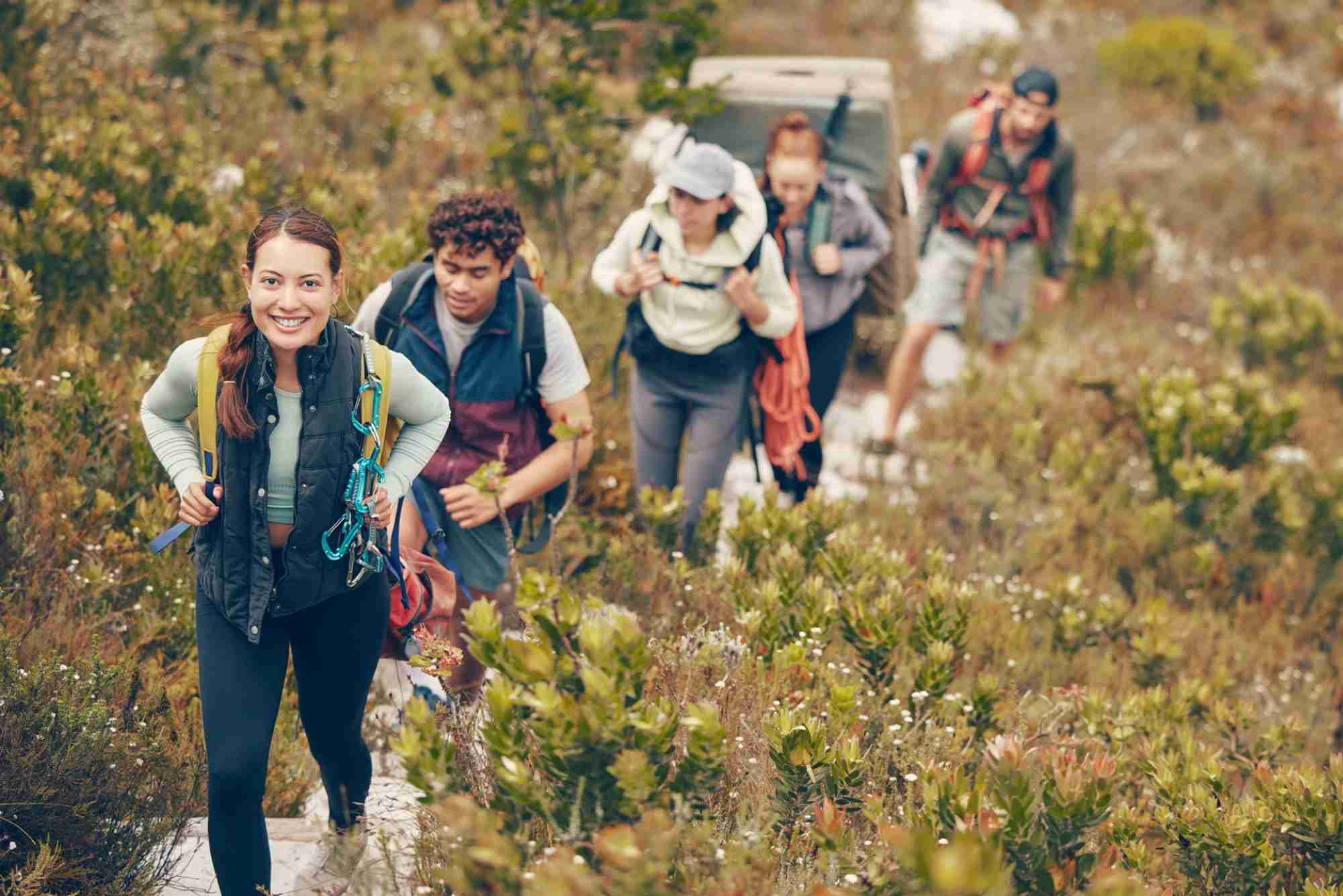
Hiking in groups enhances safety and provides motivation. Group members can share navigation responsibilities and assist in emergencies.
Respect Local Culture
Some trails pass near villages or local communities. Dress modestly, seek permission if entering private areas, and follow local customs.
Recommended Hiking Etiquette
Hiking etiquette ensures a positive experience for everyone. Keep noise levels low, yield to uphill hikers, avoid taking shortcuts that damage trails, and maintain respectful distances from wildlife.
Embrace the Adventure
The Complete Hiking Guide to United Arab Emirates: Trails, Planning & Safety, Hiking in the UAE offers a unique way to experience its natural landscapes, from mountains to deserts and coastlines. With proper planning, the right gear, and safety awareness, every hike can be rewarding and unforgettable. Take the time to explore trails, respect nature, and challenge yourself.
Embark on your UAE hiking journey today and discover breathtaking views, thrilling trails, and memorable adventures.
FAQ
What are the best hiking trails in the UAE?
Popular trails include Jebel Jais, Wadi Shawka, Jebel Hafeet, and mangrove paths in Abu Dhabi. Each offers unique scenery and challenges.
When is the best time to hike in the UAE?
October to March is ideal due to mild temperatures and lower humidity. Avoid midday hikes in summer.
How much water should I carry while hiking?
Carry at least 2 liters per person for short hikes. Increase for longer treks, especially in desert or mountainous areas.
What gear is essential for hiking in the UAE?
Lightweight clothing, sturdy shoes, hats, sunscreen, sunglasses, backpack, first-aid kit, snacks, and navigation tools are essential.
Are UAE hiking trails suitable for beginners?
Yes, trails like Wadi Bih and coastal promenades are beginner-friendly. Advanced trails include Jebel Jais and Hajar Mountain routes.
Is hiking safe in the UAE?
Hiking is safe if proper precautions are taken: check weather, stay hydrated, wear appropriate gear, and hike with a partner.
Can I hike in the UAE desert?
Yes, desert hiking is popular, especially in Liwa and Al Marmoom. Plan early morning or late afternoon hikes to avoid heat.

