




US visa costs in 2026 continue to reflect a stable but structured fee system that depends on visa type, purpose of travel, and processing category. Unlike many countries that frequently change their visa pricing, the United States maintains a relatively consistent baseline fee, especially for non-immigrant visas. However, when we look at the trend over the last few years, subtle increases in service and processing charges have created a noticeable difference for applicants planning long-term immigration, study, or work-based relocation.
For most applicants, understanding the visa cost is not just about the application fee—it also includes appointment charges, biometric fees, and in some cases, petition-based costs. When combined, these charges can significantly impact total travel budgeting. To understand how we reached the 2026 pricing structure, it is important to analyze how visa fees have evolved over the past few years.
Understanding US Visa Categories Before Costs
The US visa system is divided into two major categories: non-immigrant visas and immigrant visas. Non-immigrant visas include tourist (B1/B2), student (F1), and temporary work visas such as H-1B. Immigrant visas, on the other hand, are designed for permanent residency pathways. Each category carries a different cost structure depending on processing complexity and administrative requirements.
For example, a tourist visa remains the most commonly applied visa type, while work and immigration visas involve employer sponsorship and additional documentation. If you are comparing travel-related cost structures, you can also explore regional travel insights such as USA travel guides and destination breakdowns to understand broader travel planning beyond visa expenses.
US Visa Fee Trends (2020–2026 Overview)
To understand the current 2026 pricing, we must look at the gradual changes over the past years. In 2020 and 2021, the US visa fee structure remained mostly unchanged due to global travel restrictions. However, starting from 2022, slight administrative adjustments were introduced, especially for processing and security enhancements.
By 2023 and 2024, the demand for international travel surged again, which led to increased appointment backlog fees in some regions. These were not direct visa fee hikes but operational costs added by third-party service providers. In 2025, some visa categories saw updated petition charges, especially for skilled worker visas.
In 2026, the baseline visa fee structure remains stable, but applicants should expect higher overall processing costs due to appointment availability, documentation services, and premium scheduling options.
US Visa Price Breakdown in 2026
Instead of a single flat fee system, US visa pricing is divided into multiple layers depending on the visa category. Below is a simplified breakdown of how costs generally appear in 2026 for different visa types.
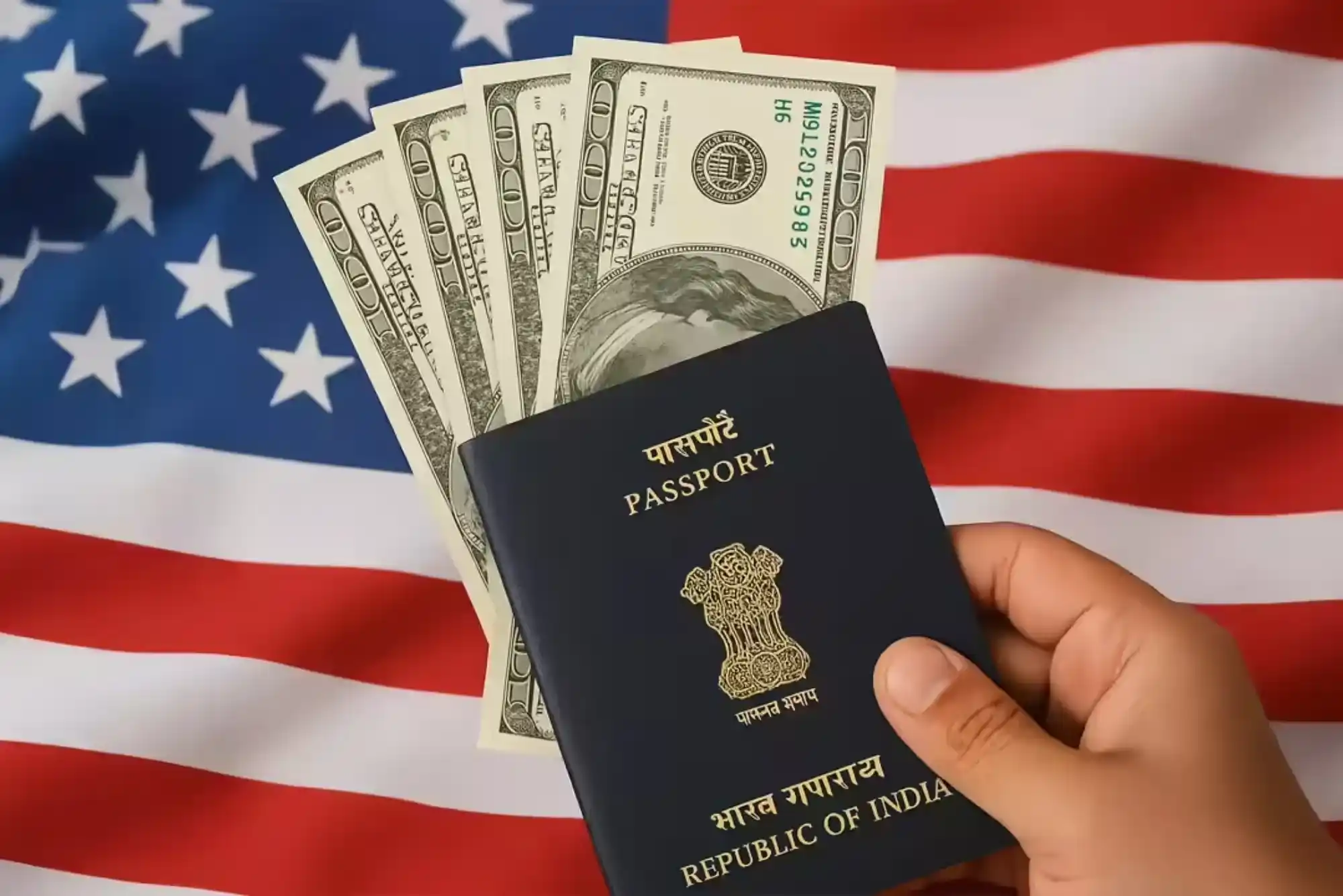
For a standard tourist visa (B1/B2), the application fee remains around $185 in most regions. Student visas (F1) also maintain a similar base fee but include SEVIS charges ranging from $350 to $500 depending on institution type. Work visas such as H-1B are significantly higher due to employer petition filings and legal processing fees that can exceed $1,000–$3,000 in total.
Applicants exploring broader international travel planning may also find it useful to check global travel resources such as updated travel and visa cost guides for comparison with other destinations.
Visa Types and Their Cost Nature
Each US visa type follows a different financial structure. Tourist visas remain the most affordable and accessible option, while work and immigration pathways require long-term financial planning. Student visas fall somewhere in between, mainly due to education-related compliance charges.
Tourist visas are generally single-purpose and short-term, meaning their cost remains stable over time. Work visas, however, depend heavily on employer sponsorship and legal filings, which makes them significantly more expensive. Immigration visas involve additional steps like medical exams, affidavit of support, and embassy processing fees.
For travelers who frequently explore global destinations, understanding visa differences is essential. You can also explore related travel insights on useful travel planning tips and visa guidance to better prepare your application journey.
Application Cost Components Explained
Many applicants assume that US visa cost is a single payment, but in reality, it is a combination of several components. The primary component is the MRV fee (Machine Readable Visa fee), which is required for scheduling an interview. After that, applicants may need to pay biometric fees, depending on visa type and country of application.
In addition, premium services such as faster appointment booking or document verification assistance can add extra charges. These optional services are not mandatory but are often used by applicants who need faster processing due to travel urgency.
Another hidden factor is currency conversion fluctuation, which can slightly change the final payable amount depending on the applicant’s home country. This is why total visa cost often varies even when the base fee remains unchanged.
Step-by-Step US Visa Application Process
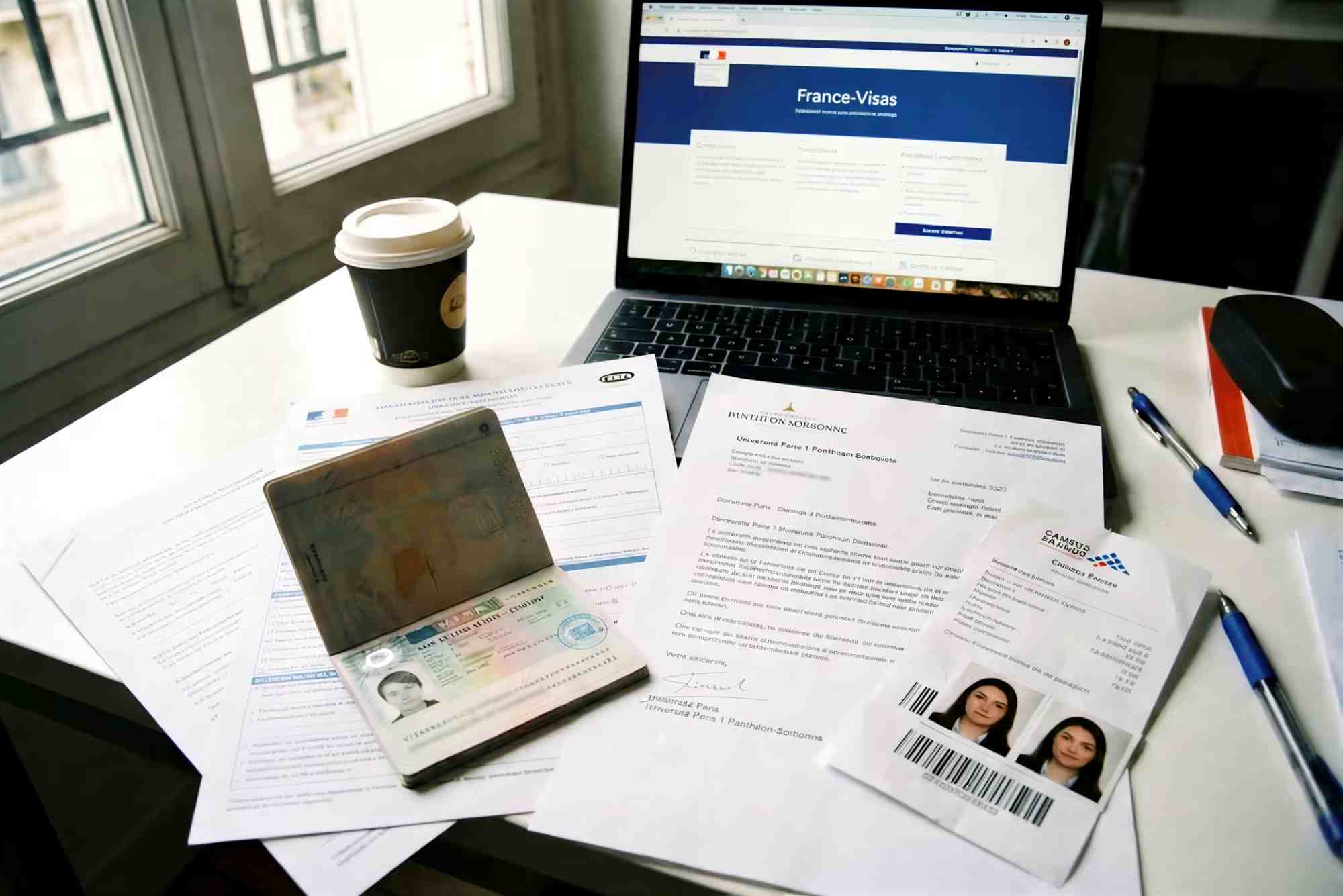
The US visa application process begins with filling out the DS-160 form, which is mandatory for all non-immigrant visa applicants. After submission, the applicant pays the visa fee and schedules an appointment at the nearest embassy or consulate. Biometric verification follows, which includes fingerprint scanning and photo capture.
The final stage is the interview, where applicants must present supporting documents such as financial proof, travel intent, and employment or study details. Approval is based on eligibility and verification of intent rather than just documentation completeness.
Applicants are advised to prepare thoroughly, as rejection rates can be influenced by incomplete documentation or unclear travel purpose.
Future Outlook of US Visa Costs
Looking ahead, US visa prices are expected to remain relatively stable beyond 2026. However, administrative and service-related costs may continue to increase slightly due to technology upgrades and security enhancements. The core visa fees are unlikely to see major hikes unless immigration policy changes occur.
For most applicants, the biggest challenge is not the visa fee itself but the increasing demand for appointment slots and processing delays. Planning early remains the most effective strategy for successful application approval.
Conclusion
The US visa price in 2026 reflects a balanced structure that has evolved gradually over the past few years without major shocks. While base fees remain consistent, overall application costs can vary depending on visa type, service usage, and external processing factors. Understanding this structure helps applicants prepare better financially and avoid unexpected expenses during the application process.
Whether you are applying for tourism, study, or work, careful planning and awareness of fee components will significantly improve your experience and reduce delays in the process.

