






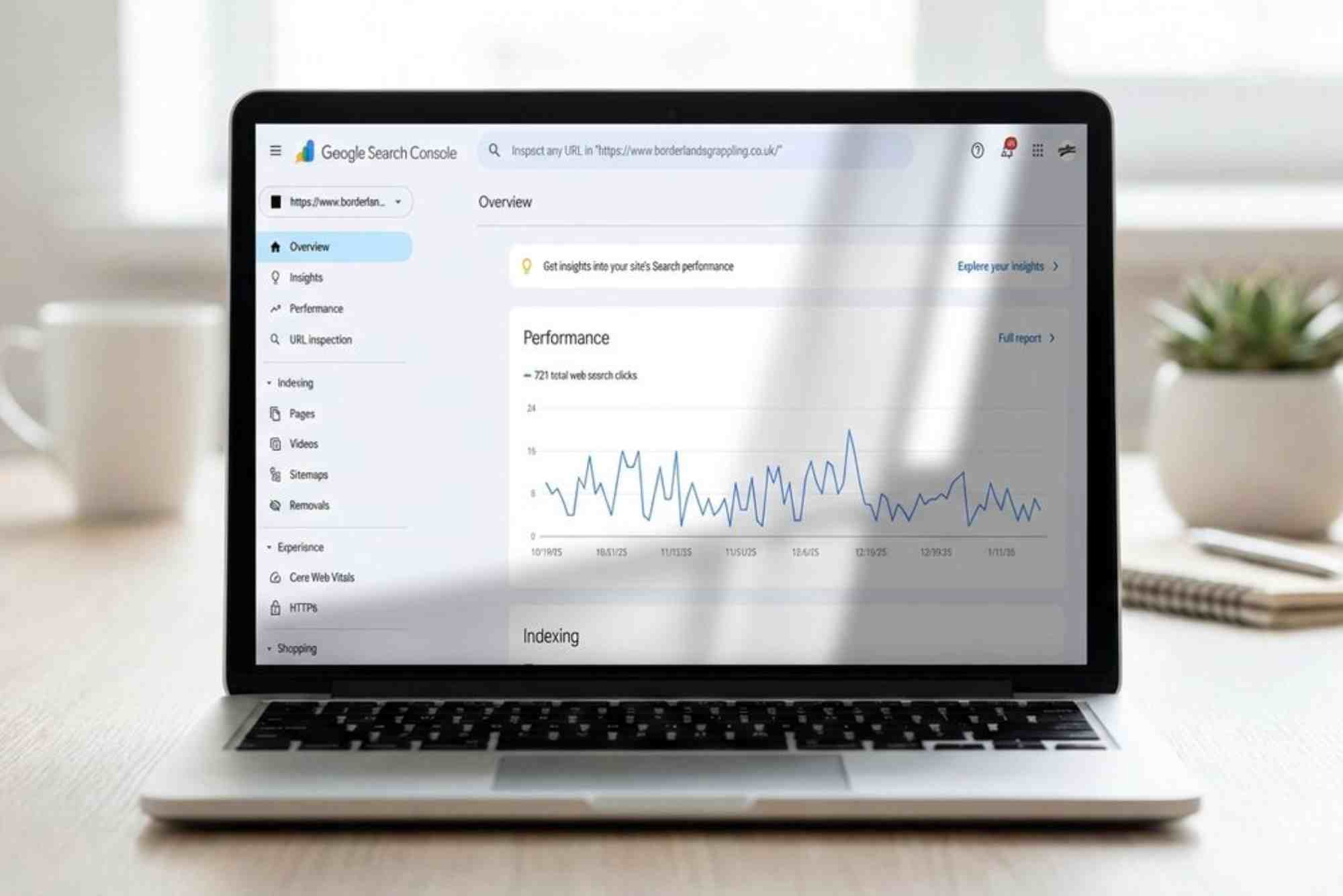

This is where AI-powered SEO tools have become indispensable. By combining machine learning, data analysis, and real-time SERP insights, modern tools help teams uncover low-competition, high-impact keywords that were previously buried under complex datasets.
For content-driven platforms like travel strategy guides or destination blogs, leveraging AI SEO tools can mean the difference between ranking on page one or getting lost in the noise.
Why AI SEO Tools Matter More Than Ever
The SEO landscape is now shaped by AI-driven search algorithms, semantic indexing, and user intent modeling. Traditional keyword tools often fall short because they rely heavily on static data. AI tools, on the other hand, continuously learn from search behavior, competitor strategies, and content performance.
For content teams, this means:
Faster keyword discovery, deeper insights into search intent, improved content relevance, and smarter prioritization of topics. Instead of chasing high-volume keywords, teams can focus on “easy wins”—keywords with lower competition but strong conversion potential.
What Makes a Keyword Opportunity “Easy” in 2026?
Not all keywords are created equal. In modern SEO, an “easy” keyword is defined by multiple factors beyond search volume.
Low Competition Signals
AI tools analyze domain authority, backlink profiles, and content gaps to identify keywords where weaker competitors rank. This opens doors for newer or mid-tier sites to compete effectively.
Search Intent Alignment
Keywords that closely match user intent—informational, transactional, or navigational—are easier to rank for when content is well-aligned.
Topical Relevance
Google rewards topical authority. If your website consistently publishes around a niche, AI tools will highlight keyword clusters that strengthen your authority further.
Top AI SEO Tools for Content Teams in 2026
1. Surfer SEO AI
Surfer SEO has evolved into a comprehensive AI-driven optimization platform. It not only suggests keywords but also analyzes SERP patterns, content structure, and NLP entities.
Its standout feature is real-time content scoring, helping writers optimize as they create. For content teams managing multiple articles, this ensures consistency and quality at scale.
2. Ahrefs AI Keyword Explorer
Ahrefs remains a dominant force, now enhanced with AI-powered insights. Its keyword difficulty score has become more accurate by incorporating machine learning predictions.
The platform excels at uncovering long-tail keyword opportunities—ideal for niche blogs or guides like detailed travel pricing content where specificity matters.
3. Semrush Copilot
Semrush’s AI Copilot acts as a strategic assistant for SEO teams. It identifies untapped keyword gaps, suggests content ideas, and prioritizes tasks based on potential ROI.
What makes it powerful is its ability to connect keyword opportunities directly with actionable content strategies, reducing guesswork.
4. Clearscope AI
Clearscope focuses on semantic optimization. It helps content teams understand which related terms and topics should be included to improve relevance and ranking potential.
This is particularly useful for long-form guides where depth and coverage determine success.
5. Frase AI
Frase combines keyword research with content generation and optimization. Its AI identifies questions users are asking and builds content briefs that directly address those queries.
This approach is highly effective for informational content, such as guides similar to career and skill-based tutorials.
6. MarketMuse
MarketMuse specializes in content planning and topic authority. It uses AI to identify gaps in your existing content and suggests clusters that can strengthen your site’s authority.
For editorial teams, this means building a cohesive content ecosystem rather than isolated articles.
How AI Tools Help Surface Hidden Keyword Opportunities
Keyword Clustering
AI groups related keywords into clusters, allowing teams to target multiple search queries within a single piece of content. This improves efficiency and ranking potential.
Competitor Gap Analysis
Advanced tools analyze competitor content to find keywords they rank for—but you don’t. This creates immediate opportunities for growth.
Predictive Traffic Modeling
AI can estimate the traffic potential of a keyword based on historical data and trends, helping teams prioritize high-impact topics.
Content Optimization Suggestions
Beyond keywords, AI tools recommend headings, structure, and semantic terms that improve overall content quality and relevance.
Best Practices for Using AI SEO Tools Effectively
Focus on Intent, Not Just Volume
High search volume doesn’t guarantee success. AI tools help identify keywords that align with user intent, which is far more important for conversions.
Combine Human Creativity with AI Insights
AI provides data, but human writers bring storytelling and nuance. The best results come from blending both.
Build Topic Clusters
Instead of targeting isolated keywords, create clusters of related content. This strengthens authority and improves internal linking opportunities.
Continuously Update Content
SEO is dynamic. AI tools can identify when content needs updates based on ranking changes or new competitor activity.
Common Mistakes to Avoid
Over-Reliance on Automation
While AI is powerful, blindly following recommendations can lead to generic content. Always apply editorial judgment.
Ignoring Content Quality
Keyword optimization means nothing without valuable, engaging content. Google prioritizes user experience above all.
Chasing Only Trending Keywords
Trends can bring short-term traffic, but evergreen keywords provide long-term stability and growth.
The Future of AI in SEO
As AI continues to evolve, SEO tools will become even more predictive and personalized. We can expect deeper integration with content management systems, real-time optimization during publishing, and more accurate forecasting of ranking potential.
For content teams, this means shifting from reactive strategies to proactive, data-driven planning. Instead of guessing what might work, teams will rely on AI to guide every stage of the content lifecycle.
Websites that embrace this shift—like those publishing detailed travel insights or niche guides—will have a clear advantage in building sustainable organic traffic.
Conclusion
The best AI SEO tools in 2026 are not just about finding keywords—they are about uncovering opportunities. They empower content teams to identify low-competition topics, align with user intent, and create high-quality content that ranks.
By integrating AI into your SEO workflow, you can move beyond guesswork and build a strategy grounded in data, relevance, and long-term growth. Whether you are managing a travel blog, a niche content site, or a large editorial platform, the right tools can transform your approach and unlock new levels of success.
Related Reading: Best Keyword Research Tools for Content Teams targeting easier keywords with ranking potential in 2026

