




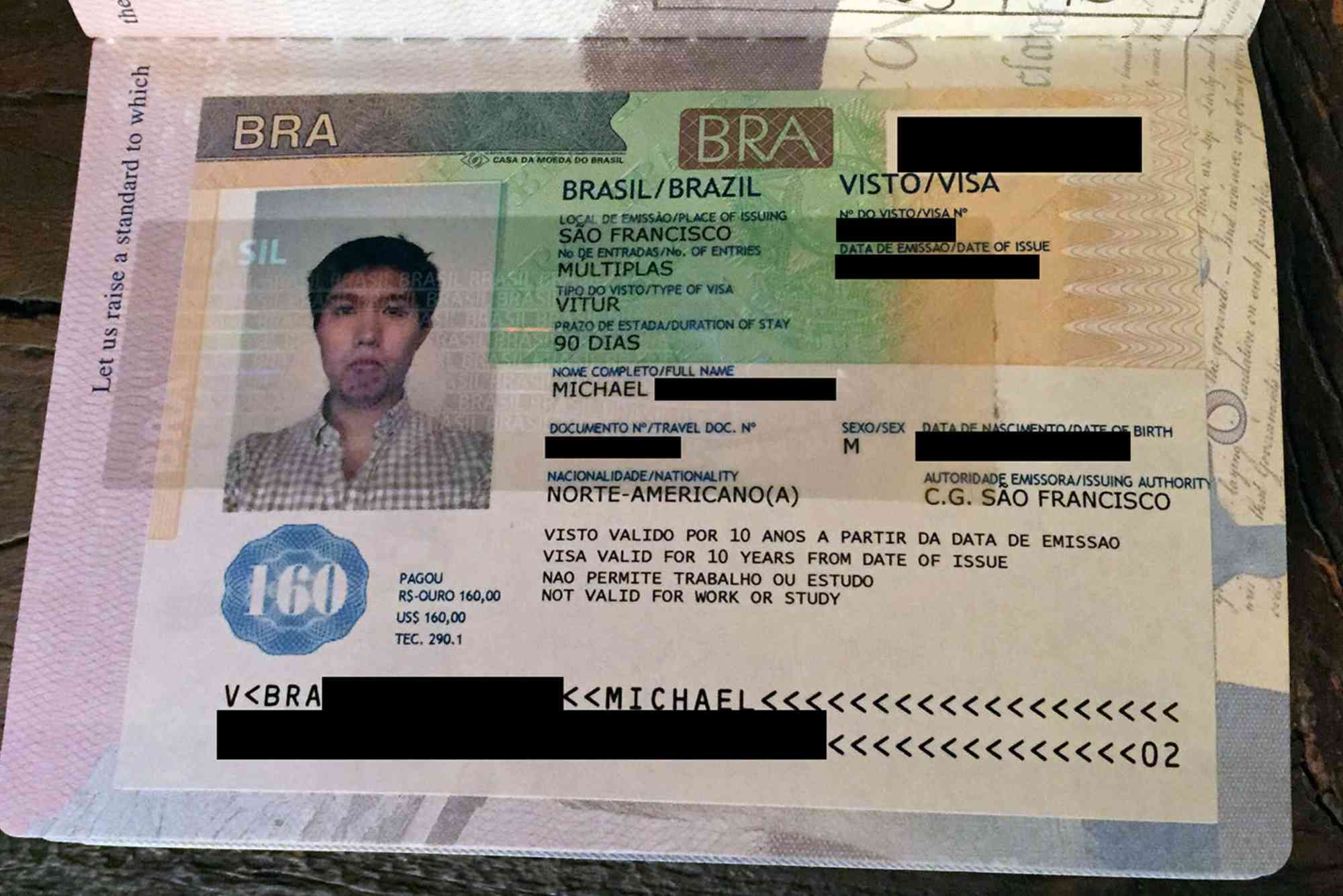
Understanding the Brazil visa price in 2026 is essential for travelers planning a trip for tourism, business, or long-term stay. Visa costs are not fixed globally; they depend on your nationality, visa type, processing method, and additional service fees charged by embassies or visa centers. In 2026, Brazil continues to follow a structured visa fee system, but slight variations exist due to administrative updates, currency exchange fluctuations, and bilateral agreements between countries.
For most travelers, the cost of a Brazil visa includes the base consular fee, service charges, and optional expedited processing fees. While Brazil remains a relatively affordable destination in terms of visa costs compared to countries like the USA or UK, it is still important to understand the complete breakdown before applying.
Many travelers also compare visa costs across destinations such as the USA visit visa process explained in detail at and the Schengen visa structure available at . These comparisons help applicants understand how Brazil fits into global visa pricing trends.
Overview of Brazil Visa Costs in 2026
The Brazil visa system in 2026 remains categorized mainly into tourist visas, business visas, student visas, and temporary residence permits. Each category has a different fee structure depending on processing time and applicant nationality.
In general, Brazil maintains moderate visa fees compared to Western countries. However, applicants from certain countries may enjoy visa exemptions or reduced fees under bilateral agreements. The application is usually processed through Brazilian consulates or authorized visa application centers, which may also charge additional service fees.
The total cost you pay is not only the embassy fee but also includes document preparation, biometrics, courier services, and optional travel insurance requirements.
Detailed Breakdown of Brazil Visa Price in 2026
To better understand the cost structure, it is important to break down the components involved in the visa process. The following pricing table provides an estimated overview of Brazil visa expenses in 2026:
| Visa Type | Base Fee (USD) | Service Charges (USD) | Total Estimated Cost (USD) |
|---|---|---|---|
| Tourist Visa | 80 – 100 | 20 – 40 | 100 – 140 |
| Business Visa | 90 – 120 | 25 – 50 | 115 – 170 |
| Student Visa | 60 – 90 | 20 – 40 | 80 – 130 |
| Temporary Work Visa | 120 – 160 | 30 – 60 | 150 – 220 |
These figures are approximate and can vary depending on embassy location and processing speed. Some applicants may also need to pay additional document verification fees.
Compared to destinations like Australia, where visa fees are higher as shown at , Brazil remains a more budget-friendly option for international travelers.
Factors That Influence Brazil Visa Cost
Several factors influence the final visa price in 2026. The most important one is the type of visa you apply for. Tourist visas are generally cheaper, while work or residency permits cost significantly more due to extended validation processes.
Another factor is nationality. Some countries have visa exemptions or simplified entry processes, while others must go through full documentation checks. Exchange rates also play a role because many consulates charge fees in USD or local currency equivalents.
Processing speed is another major factor. Standard processing is cheaper, but expedited or emergency visa services can increase the cost significantly.
Finally, external service providers may add administrative charges for document handling, biometric data collection, and courier delivery, which increases the overall cost.
Brazil Visa Price in Context of Global Visa Costs
To understand Brazil’s visa pricing better, it helps to compare it with other popular destinations.
For example, Saudi tourist visa pricing details available at show that Gulf countries often have different pricing structures influenced by tourism policies. Similarly, the USA visit visa system explained at tends to be more expensive due to stricter screening procedures.
European countries under the Schengen zone, such as France, also follow a unified visa pricing system, which can be compared at. In comparison, Brazil maintains a mid-range pricing strategy, making it accessible for most international travelers.
This positions Brazil as an attractive destination not just for tourism but also for students and professionals looking for cost-effective visa options.
Step-by-Step Cost Understanding (Process Flow Insight)
Although not strictly a procedural guide, understanding how costs accumulate helps applicants prepare better. The visa fee is not a single payment but a combination of multiple smaller charges collected at different stages of the application process.
Applicants typically begin by paying the embassy fee when submitting their application. After that, they may be required to pay service center charges if they are using an outsourced visa processing facility. Once biometrics are completed, additional administrative fees may apply depending on the country of application.
In some cases, applicants also purchase mandatory travel insurance, which indirectly adds to the total visa-related cost. Courier fees for passport return are also common.
Hidden Costs Applicants Often Overlook
Many applicants focus only on the visa fee but overlook hidden expenses that can significantly impact their total budget. These include translation of documents, notarization fees, and travel to visa application centers.
In addition, bank statement preparation or financial proof documentation may require official stamping or certification, which adds small but necessary costs. Some applicants also pay consultants or agents for assistance, especially if they are applying for the first time.
These hidden expenses can sometimes increase the total Brazil visa cost by 20–40% beyond the base fee.
Why Brazil Visa Pricing Is Considered Affordable
Despite these additional costs, Brazil remains relatively affordable compared to many Western countries. One major reason is Brazil’s tourism-driven visa policy, which aims to encourage international visitors.
Unlike stricter immigration systems, Brazil focuses more on accessibility for tourists and short-term visitors. This helps keep visa fees moderate and application requirements relatively simple.
Additionally, Brazil’s strong diplomatic relations with several countries have led to visa waiver agreements, further reducing costs for eligible travelers.
FAQs About Brazil Visa Price in 2026
1. What is the average Brazil visa price in 2026?
The average cost ranges between 100 and 150 USD for a tourist visa, depending on service charges and nationality.
2. Is Brazil visa expensive compared to other countries?
No, Brazil visa fees are generally lower than countries like the USA or UK and are considered mid-range globally.
3. Can Brazil visa fees change during the year?
Yes, fees may change due to currency fluctuations, embassy policy updates, or service provider adjustments.
4. Do all travelers need to pay the same visa price?
No, visa costs vary based on nationality, visa type, and processing method.
5. Are there additional hidden costs?
Yes, applicants may pay for documents, insurance, courier services, and biometrics in addition to the base fee.
The Brazil visa price in 2026 remains reasonably affordable compared to many global destinations, making Brazil an attractive choice for tourists, students, and business travelers alike. While the base fee is straightforward, the total cost can vary depending on service charges and additional requirements.
By understanding the full breakdown of costs and comparing it with other visa systems such as the USA, Australia, and Schengen regions, travelers can better plan their budgets and avoid unexpected expenses.
Related Reading: H1 Visa Price in 2026: What You Need to Pay
Related Reading: Brazil Visa Price in 2026: What You Needs to Pay — full guide

