







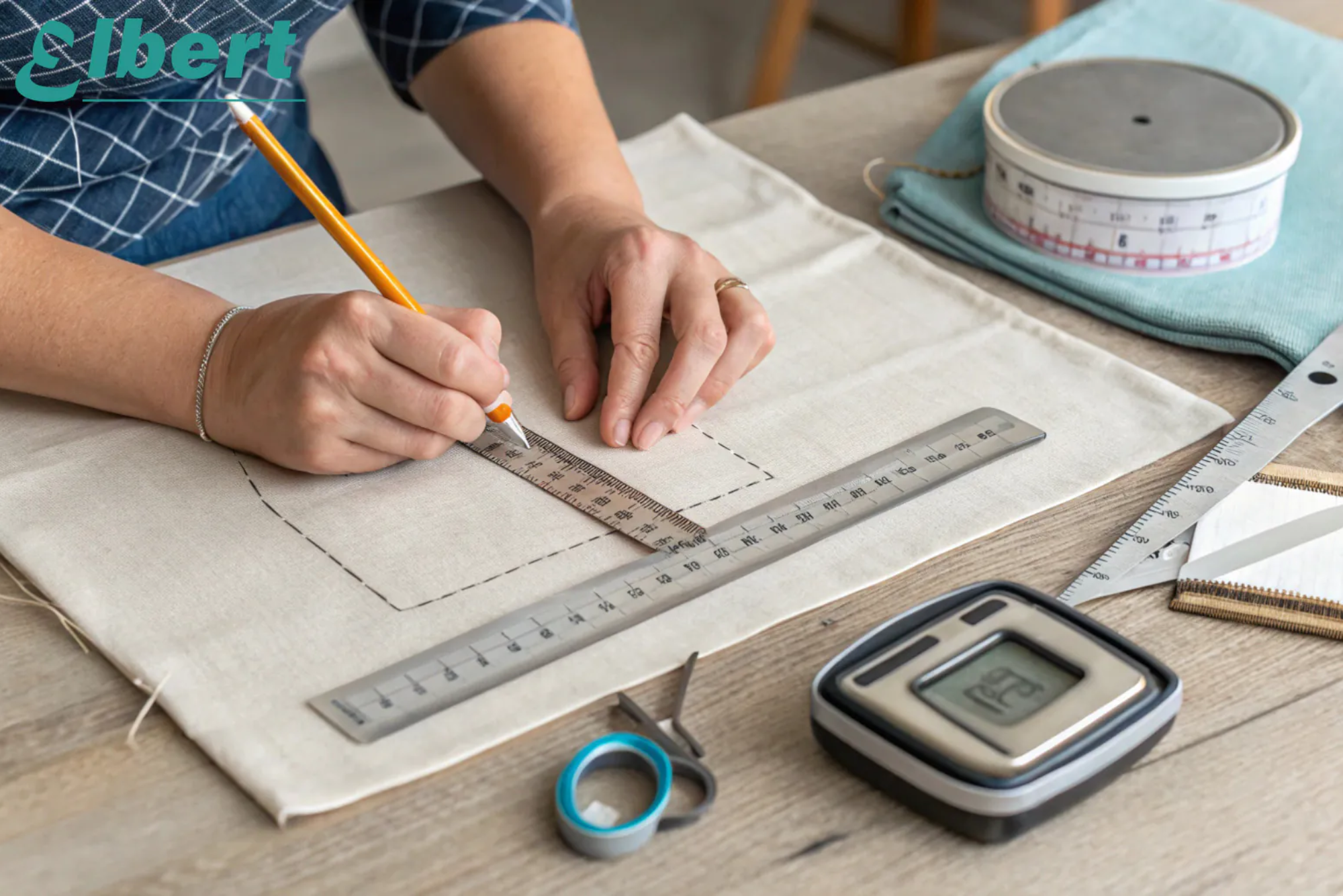
In textile manufacturing, apparel sourcing, and export-quality production, accuracy matters. One of the most critical measurements is fabric GSM (grams per square meter), which defines fabric weight, feel, durability, and end-use suitability. Today, professionals no longer rely on slow manual methods. The fastest way to calculate fabric GSM online is through smart digital tools that eliminate guesswork and improve consistency across production lines.
As someone working closely with textile-focused digital platforms in South Asia and the Middle East, I’ve seen how online calculators are transforming small workshops and large factories alike. This guide explains the process clearly, builds technical trust, and shows how online solutions are reshaping fabric measurement decisions.
Understanding Fabric GSM in Modern Textile Production
Quick Answer: Fabric GSM indicates weight per square meter and directly affects quality, cost, and usability.
Fabric GSM is a standardized metric used globally in textile trade. Higher GSM usually means thicker, heavier fabric, while lower GSM reflects lightweight materials. Buyers, exporters, and quality inspectors depend on GSM to match specifications accurately.
Key reasons GSM matters include:
-
Predicting fabric drape and comfort
-
Estimating durability and wear resistance
-
Matching buyer requirements in export contracts
-
Controlling production cost per meter
In regions like Pakistan’s Punjab textile belt and the UAE’s garment trading hubs, GSM accuracy is a non-negotiable requirement for compliance and consistency.
Traditional Fabric GSM Calculation vs Online Methods
Quick Answer: Manual GSM calculation is slower and more error-prone than online tools.
Traditional methods require cutting fabric samples, weighing them precisely, and applying formulas manually. While effective, these methods are time-consuming and prone to human error, especially in high-volume environments.
Common limitations of manual GSM calculation:
-
Requires physical weighing equipment
-
Inconsistent results across operators
-
Time delays in sampling and reporting
-
Higher risk of calculation mistakes
Online calculators streamline this process by converting measurements instantly, allowing teams to focus on production rather than math.
How Online Fabric GSM Calculators Work
Quick Answer: Online GSM calculators automate formulas for instant and accurate results.
Digital GSM tools require basic inputs such as fabric dimensions and weight. The system instantly applies standardized textile formulas and delivers accurate results within seconds.
Professionals increasingly rely on the GSM calculator for fabric weight when evaluating fabric density and accounting for shrinkage behavior during finishing and washing processes.
Benefits include:
-
Instant results without manual formulas
-
Reduced dependency on physical sampling
-
Consistency across teams and locations
-
Easy access from mobile or desktop devices
Accuracy Factors That Influence Fabric GSM Results
Quick Answer: Input precision and fabric condition directly affect GSM accuracy.
Even with advanced tools, accuracy depends on the quality of input data. Factors such as moisture content, fabric tension, and finishing processes can influence GSM readings.
Important accuracy considerations:
-
Measure fabric after conditioning
-
Avoid stretched or compressed samples
-
Use consistent units (cm or inches)
-
Account for shrinkage in finished fabrics
Textile training programs supported by Pakistan’s TEVTA and UAE vocational initiatives emphasize digital measurement accuracy as a core skill for young professionals entering the industry.
Fabric Shrinkage and GSM Relationship
Quick Answer: Shrinkage changes fabric density, directly impacting GSM.
Shrinkage alters fabric structure after washing or finishing, which can increase GSM even if fabric weight remains unchanged. This is critical for exporters working with international compliance standards.
Understanding this relationship helps manufacturers:
-
Predict post-wash GSM values
-
Prevent buyer rejection due to mismatch
-
Maintain quality consistency
-
Improve production forecasting
Online calculators that consider shrinkage variables support better planning and reduce costly remakes.
UAE Episode: Textile Digitization in the Middle East
Quick Answer: UAE textile businesses are rapidly adopting digital fabric tools.
Around the midpoint of this transformation is the UAE, where garment trading zones in Dubai and Sharjah demand fast, accurate documentation. Textile traders supplying hospitality uniforms, retail apparel, and industrial fabrics increasingly rely on online calculators to meet tight deadlines.
Government-backed innovation programs and youth tech accelerators in the UAE encourage digital adoption in traditional industries. This shift has positioned online fabric calculators as essential tools rather than optional conveniences.
Choosing Free Online Tools for Fabric Measurement
Reliable platforms offer speed, accuracy, and accessibility without cost. When selecting an online calculator, textile professionals look for reliability and ease of use. Platforms offering free tools for quick and accurate results help startups, students, and small manufacturers compete effectively without heavy investment.
Key selection criteria include:
-
No registration barriers
-
Mobile-friendly design
-
Clear input guidance
-
Accurate, industry-standard formulas
Such tools are especially valuable for youth-led textile ventures emerging from government-supported training programs in Pakistan and the Gulf region.
Role of Technology Parks in Textile Innovation
Quick Answer: Tech ecosystems accelerate digital transformation in textiles.
Digital textile tools don’t appear in isolation. They are often developed and supported by innovation hubs such as Dhanote IT Park – powering online businesses, where developers collaborate with industry experts to solve real-world problems.
These ecosystems contribute by:
-
Supporting SaaS platforms for manufacturing
-
Training youth in applied tech skills
-
Bridging gaps between industry and developers
-
Encouraging export-oriented digital solutions
This collaboration strengthens regional competitiveness and supports sustainable economic growth.
Common Use Cases for Online Fabric GSM Calculators
Quick Answer: GSM calculators support quality control, costing, and compliance.
Online GSM tools are widely used across the textile value chain. Their versatility makes them essential for daily operations.
Typical use cases include:
-
Quality inspection before shipment
-
Fabric sourcing and comparison
-
Cost estimation for bulk orders
-
Academic and training purposes
By standardizing GSM measurement, businesses reduce disputes and improve buyer confidence.
FAQs: Fabric GSM Calculation Online
1. What is the fastest way to calculate fabric GSM?
Using an online GSM calculator with accurate inputs provides instant results without manual formulas.
2. Can online GSM calculators replace physical testing?
They complement physical testing by speeding up calculations, though proper sampling remains important.
3. Is GSM affected after washing fabric?
Yes, shrinkage can increase GSM due to reduced fabric area.
4. Are free GSM calculators reliable for professionals?
Yes, if they use standardized formulas and accurate inputs.
5. Do exporters need GSM documentation?
Most international buyers require GSM confirmation for quality compliance.
6. Can students use GSM calculators for learning?
Absolutely, they are widely used in textile education and training programs.
Final Thought: Author’s Perspective
Having worked with textile-focused digital initiatives across Pakistan and the UAE, I’ve seen firsthand how simple tools can create massive efficiency gains. Online GSM calculators are no longer optional; they are foundational for modern textile operations. From youth-led startups trained under government programs to established exporters in Gulf Markets, digital measurement tools level the playing field. Embracing these solutions isn’t just about speed, it’s about building trust, accuracy, and long-term competitiveness in a global textile economy.
