







How Kenya’s Visa System Works in 2026
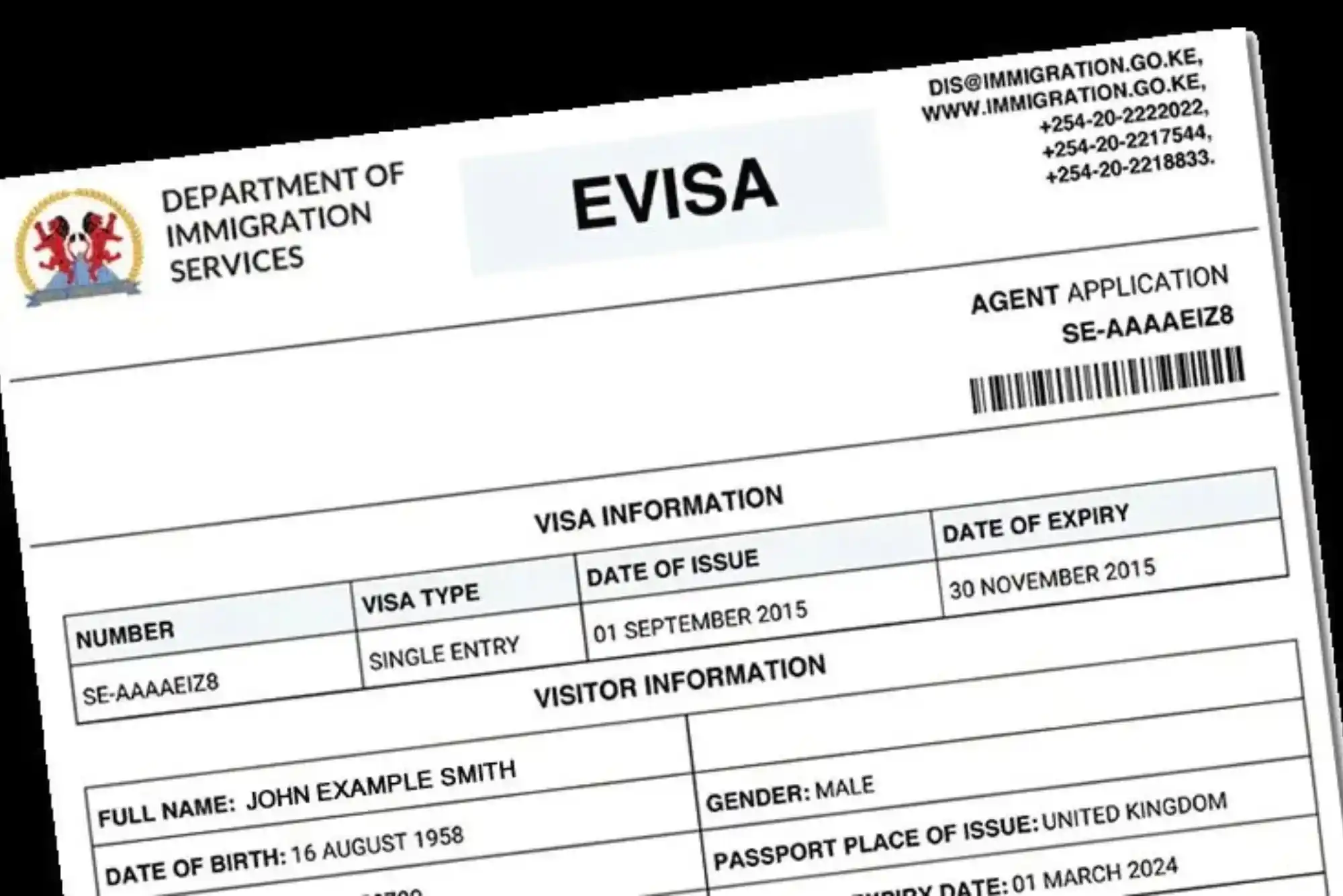
Kenya moved away from traditional visa-on-arrival stickers several years ago in favor of a fully digital entry system. As of 2026, most international visitors are required to apply through Kenya’s official Electronic Travel Authorization (ETA) portal before departure. This system applies to travelers from the majority of countries worldwide, including those who previously entered visa-free.
The ETA is not a traditional visa — it is a pre-travel authorization that gets linked to your passport digitally. Processing is generally quick, often within 72 hours, though applying at least a week before travel is always advisable. Approvals are sent via email, and you present the approval document at the port of entry.
If you’re comparing international travel costs across destinations, it’s worth reviewing airline ticket prices to popular African and regional hubs to factor in your total trip budget early.
Kenya Visa Price Table for 2026
Below is a comprehensive pricing table covering the main visa and ETA categories applicable to travelers in 2026. All fees are listed in USD, which is the standard currency used by Kenya’s immigration portal.
| Visa / ETA Type | Who It’s For | Duration | Fee (USD) | Processing Time |
|---|---|---|---|---|
| Single Entry ETA (Tourist) | Most nationalities | 90 days | $32.50 | 24–72 hours |
| East Africa Tourist Visa | Travelers visiting Kenya, Uganda & Rwanda | 90 days (multi-country) | $100 | 3–5 business days |
| Business ETA | Business travelers, conferences | 90 days | $32.50 | 24–72 hours |
| Transit Visa (Airport) | Passengers transiting Nairobi | Up to 3 days | $20 | 24–48 hours |
| Diplomatic / Official Passport | Government officials (eligible countries) | Varies | Exempt / Free | Varies |
| Student / Research Visa | Enrolled students, researchers | Up to 1 year | $50+ | 5–10 business days |
| Volunteer / NGO Visa | Registered volunteers | 3–12 months | $50–$100 | 5–10 business days |
Who Qualifies for Visa Exemption?
Not every traveler needs to pay. Kenya maintains bilateral agreements with a number of countries that allow their citizens to enter without any visa or ETA fee. These include several East African Community (EAC) member states such as Uganda, Tanzania, Rwanda, Burundi, South Sudan, and the Democratic Republic of Congo.
Citizens of certain other African nations also benefit from reduced or waived entry fees. It’s critical to check your specific nationality on Kenya’s eCitizen portal, as exemptions can change based on diplomatic relations and regional policy updates.

Breaking Down the East Africa Tourist Visa
The East Africa Tourist Visa is one of the best value options for travelers planning to explore more than just Kenya. Priced at $100, it allows a single visit across Kenya, Uganda, and Rwanda — three of East Africa’s top destinations — within a 90-day window.
You can apply for it through any of the three participating countries’ immigration portals. The visa is not extendable and does not allow re-entry once you leave the East Africa region. For travelers planning a comprehensive safari itinerary across borders, this option represents genuine savings compared to purchasing three separate ETAs.
Additional Costs Travelers Often Overlook
Yellow Fever Certificate
Kenya requires proof of yellow fever vaccination for travelers arriving from yellow fever endemic countries. If you’re transiting through certain African nations, you may be required to show this certificate regardless of your origin. The vaccination card itself is a cost separate from the visa, and some travelers have been denied boarding or entry without it.
Travel Insurance
While not mandatory by Kenyan law, travel insurance covering medical evacuation is strongly recommended. Emergency medical care in remote safari areas can be extremely expensive, and policies covering air evacuation often run from $50 to $200 for a standard two-week trip depending on your provider.
Third-Party Agency Fees
Many travelers choose to use a visa facilitation agency, especially when applying from countries with limited internet infrastructure or complex documentation requirements. These agencies typically charge $30–$80 above the government fee. While convenient, they are not necessary — the Kenya eCitizen portal is user-friendly and fully functional for self-service applications.
If you are planning a broader itinerary that includes exploring different cities and lodging across the region, checking current hotel price guides for international destinations can help you map out realistic accommodation budgets alongside your visa costs.
How to Apply: Step-by-Step Overview
The application process through Kenya’s eCitizen portal is straightforward:
Create an account on the official eCitizen Kenya portal using your email address.
Select your visa type based on your purpose of travel — tourism, business, transit, or other.
Upload required documents — typically a valid passport (minimum 6 months validity), passport-sized photo, return ticket, and proof of accommodation.
Pay the fee online using an international credit or debit card. The portal accepts Visa and Mastercard.
Await approval — you’ll receive an email confirmation, usually within 1–3 business days.
Print or save your approval letter and present it at immigration upon arrival.
[Insert relevant reference link here]
Common Mistakes to Avoid
One of the most frequent errors travelers make is applying too close to their departure date and then paying for expedited processing through an agency when the standard portal would have processed it in time. Another common issue is using unofficial websites that mimic the eCitizen portal — always confirm you are on the genuine government domain before entering any personal or payment information.
Travelers with passports that have fewer than six months of validity remaining from their planned date of return are routinely denied entry at the border, regardless of whether they hold an approved ETA. Renew your passport before applying if this applies to you.
For travelers coming from the UAE or the Gulf region, understanding current airline pricing from Dubai to African gateway cities can help you plan the most cost-effective routing into Nairobi.
Final Thoughts
Kenya’s entry system in 2026 is efficient, mostly digital, and reasonably priced — especially compared to some other long-haul destinations. The standard ETA at $32.50 is accessible for most travelers, and the East Africa Tourist Visa at $100 is a genuinely competitive option for multi-country itineraries. The key is applying early, using the official portal, and accounting for all associated costs — not just the visa fee itself.
Whether you are heading to Amboseli, the coast, or a Nairobi city break, having your entry documentation sorted well in advance makes the journey significantly smoother. Kenya is absolutely worth the effort — and at these price points, the visa cost should be the least of your concerns.
Related Reading: Price of Canada Visa in 2026: Updated Fees and Complete Cost Breakdown
Related Reading: US Student Visa Price in 2026: Updated Fees and Complete Cost Breakdown
Related Reading: Canada Visa Price in India in 2026: Updated Fees and Price Breakdown

