




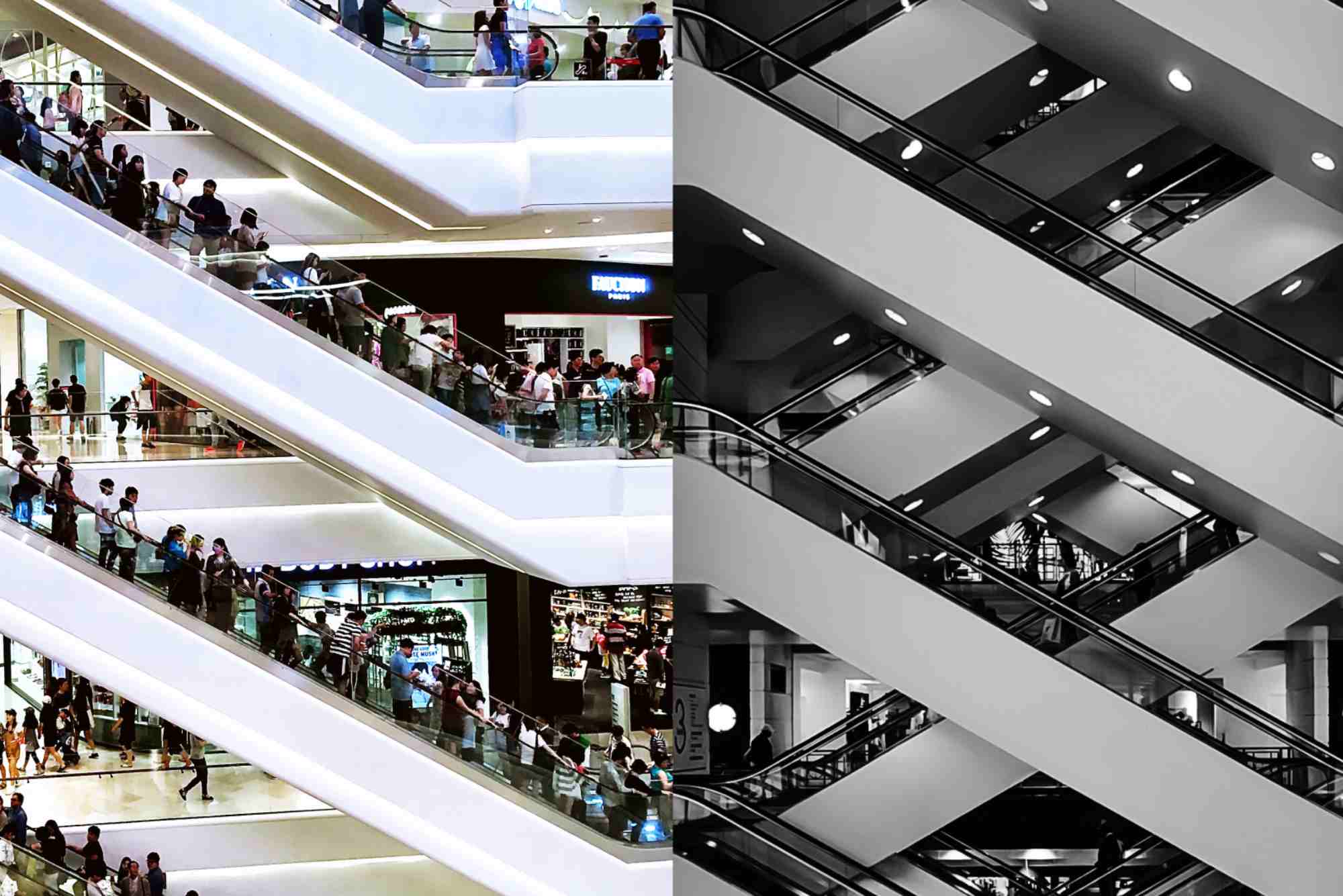
Australia’s suburban malls have become more than shopping hubs; they now function as lifestyle centres blending retail, dining, fitness, leisure, and community activities. This side-by-side comparison of Australia suburban malls shows how these destinations continue to evolve. As suburban communities expand, the focus keyword “Australia suburban malls” naturally reflects a growing interest in how each centre meets modern consumer expectations. Whether you visit for a quick shop, a fitness session like Orange Theory Mountain View style workouts offered in some gyms, or a full weekend outing, these malls shape everyday convenience and culture.
Understanding the Role of Australia Suburban Malls in Modern Life
Australian suburbs have become highly diverse, and their malls mirror this shift. The transformation from simple retail strips to dynamic mixed-use environments reflects the changing needs of families, professionals, students, and retirees. While metropolitan centres attract international attention, suburban malls remain the true heartbeat of local communities. Their development offers insights into regional priorities, design innovation, and lifestyle expectations.
How Architecture Shapes the Identity of Australia Suburban Malls
The architectural evolution of suburban malls across Australia tells a fascinating story. Early centres prioritised car access and large anchor stores. Today, natural light, green spaces, open-air promenades, and temperature-controlled environments dominate the design narrative, making the malls more like urban micro-districts than enclosed shopping boxes.
How Natural Light Influences Visitor Comfort
Many malls now include skylights, wide atriums, and open walkways to create breathable spaces. Shoppers respond positively to natural light, which helps them spend more time exploring. This design element often becomes a defining feature for comparing different suburban malls.
Why Open-Air Sections Are Becoming More Popular
As warmer weather and outdoor dining culture grow across Australia, many malls introduce open-air retail streets connected to indoor wings. This blend allows visitors to move fluidly between indoor convenience and outdoor lifestyle experiences.
Retail and Brand Diversity Across the Suburbs
When comparing Australia suburban malls, retail variety becomes a major differentiator. Some malls lean toward luxury and premium brands, while others focus on family-friendly stores and value-driven essentials. Each centre reflects the demographic it serves, balancing fashion, technology, homewares, and experiential retail.
How Anchor Tenants Shape Shopping Flow
Large supermarkets, department stores, and entertainment operators determine how foot traffic circulates. Their placement also guides how smaller retailers select locations. A mall with strong, well-placed anchors usually delivers smoother visitor experiences and higher retail mix consistency.
How Local Brands Enhance Community Connection
Including local designers, artisans, and specialty food operators helps suburban malls build identity and loyalty. These stores give each centre a distinct personality that visitors appreciate.
The Rise of Experience-Based Offerings in Suburban Malls
Experience now drives much of the strategic planning behind Australia suburban malls. Consumers want more than products; they want environments that entertain, Australia Suburban Malls: Side-by-Side Comparison relax, and offer meaningful engagement.
How Fitness and Wellness Offerings Transform Mall Culture
Gyms, yoga studios, and wellness clinics have migrated into the heart of suburban malls. The rise of boutique fitness, similar to the energy of Orange Theory Mountain View style classes, shows a growing desire for lifestyle convenience. Shoppers can now integrate workouts into their daily visits, turning malls into health hubs.
Why Entertainment Zones Matter for Families
Cinemas, arcades, play zones, and immersive entertainment venues keep families engaged. These experiences encourage longer stays and create trust among parents seeking safe, structured leisure spaces.
Food and Dining as a Central Comparison Point
Food courts once offered basic quick-service meals. Today, Australia suburban malls invest in dining precincts that feel like modern social hubs. The shift toward ambience, variety, and quality fuels competition among centres.
How Dining Precincts Shape Social Activity
Restaurants with extended hours turn dining into an anchor experience. Families, groups, and professionals now plan outings around food options rather than shopping alone.
Why Cafe Culture Enhances Local Identity
Australian cafe culture is famous globally, and suburban malls now reflect this lifestyle. Small specialty cafes contribute warmth and personality, giving each mall its own flavour.
Accessibility and Public Transport Integration
Accessibility determines whether a mall becomes a regional magnet or a local convenience point. Efficient parking layouts, safe pedestrian paths, bus interchanges, and nearby train stations all influence visitor flow.
How Parking Design Impacts Shopper Satisfaction
Well-lit multi-level car parks, clear signage, and smart parking indicators reduce frustration. Suburban malls that invest in seamless parking often see repeat visits.
Why Transport Connection Broadens the Mall’s Reach
Malls near busy transport routes attract a larger audience, including students, commuters, and visitors from surrounding neighbourhoods.
Sustainability Practices Influencing Mall Comparisons
Sustainability now plays a central role in Australian real estate. Suburban malls implement green technologies to satisfy community expectations and future-proof their operations.
How Energy Efficiency Becomes a Competitive Advantage
Solar power, LED lighting, and intelligent air-conditioning systems help malls lower emissions and reduce costs. These improvements enhance shopper comfort and long-term viability.
Why Green Spaces Improve Emotional Wellbeing
Indoor plants, rooftop gardens, and landscaped courtyards create calming environments. They also act as visual highlights that define the mall’s architectural personality.
Technology and Smart Infrastructure in Suburban Malls
As digital behaviour influences how Australians shop, malls adopt smart systems to stay relevant.
How Digital Directories Simplify Navigation
Interactive screens and map apps allow visitors to find stores quickly. This reduces stress during busy periods and enhances the overall journey.
Why Free Wi-Fi Adds Significant Value
Constant connectivity encourages shoppers to stay longer, share experiences, and use digital loyalty platforms.
Comparing the Visitor Experience Across Major Suburban Regions
Each Australian state and territory showcases distinct consumer behaviour. This diversity becomes clear when comparing suburban malls.
How East Coast Malls Focus on Volume and Variety
New South Wales and Queensland often prioritise large-scale centres with broad brand offerings, appealing to high population density.
Why Southern and Western Regions Highlight Community Feel
Victoria, South Australia, and Western Australia place strong emphasis on local identity and architecture, resulting in warm, people-oriented environments.
The Future of Australia Suburban Malls
As lifestyles continue shifting, malls must adapt to fresh expectations. The next decade will bring even more integration between residential, commercial, and leisure zones.
How Mixed-Use Precincts Will Reshape Suburban Living
Malls connected to apartments, offices, hotels, and medical centres will redefine convenience. These hybrid zones reduce travel and offer true all-in-one living.
Why Personalisation Will Influence Retail Success
Technology will personalise retail journeys, making visits more intuitive through apps, real-time offers, and AI-powered wayfinding.
Frequently Asked Questions (FAQs)
What is the biggest suburban mall in Australia?
Shoppers often ask about the largest centre, and the answer varies by metric. Some malls are largest by floor space, others by the number of retailers. Size continues to evolve as expansions occur.
Why are suburban malls so popular in Australia?
Australians appreciate the convenience, comfort, and community atmosphere suburban malls offer. They combine retail, food, fitness, and entertainment in one accessible place.
Are Australian suburban malls safe?
Yes, most suburban malls implement comprehensive safety measures including surveillance, trained staff, and clearly marked emergency procedures.
How are suburban malls changing in Australia?
Malls now emphasise dining, entertainment, wellness, sustainability, and digital integration, reflecting modern consumer lifestyles.
Are malls replacing high streets?
Not entirely. Instead, both evolve differently. High streets focus on local, walkable charm, while malls offer convenience and climate-controlled comfort.
Choosing the Best Suburban Mall Experience
Australia suburban malls continue to redefine community life. Their appeal lies in convenience, variety, and the ability to adapt to new expectations. Whether you compare them based on design, retail mix, dining, or wellness options, each mall presents unique strengths that shape visitor experiences. As these centres evolve into lifestyle districts, shoppers gain access to more personalized, sustainable, and engaging environments.

