



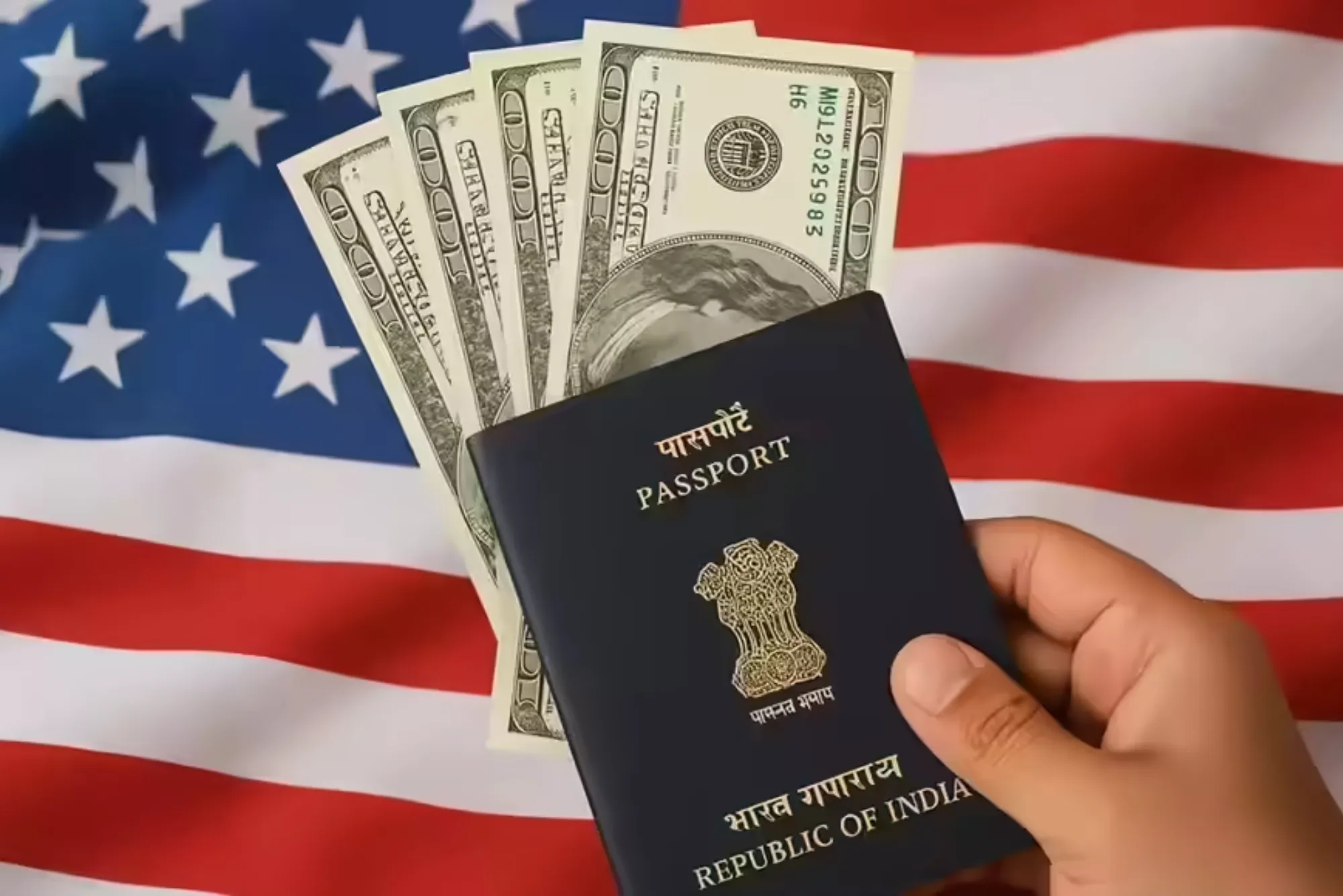
The US visa price in 2026 remains one of the most searched topics among international travelers, students, and professionals planning to visit the United States. Whether you are applying for a tourist visa, student visa, or work visa, understanding the updated fee structure is essential for proper budgeting and planning.
The United States visa system includes different categories, each with its own application process and cost. In addition to the government visa fee, applicants may also need to consider service charges, documentation expenses, and travel-related costs before submitting their application.
Understanding the US Visa System in 2026
The US visa system is divided into non-immigrant and immigrant categories. Most short-term travelers apply for non-immigrant visas such as tourism, business, or study purposes. These visas are generally issued after paying a standard MRV (Machine Readable Visa) fee and attending an interview at a US embassy or consulate.
Travel costs often go hand-in-hand with visa planning. For example, international travelers comparing expenses between destinations also check flight-related costs such as airline ticket prices from Dubai to Addis Ababa to better understand overall travel budgeting before applying for visas.
Common Types of US Visas and Their Costs
US visa costs vary depending on the purpose of travel. Below are the most commonly applied visa types in 2026:
- B1/B2 Tourist and Business Visa
- F1 Student Visa
- H1B Work Visa
- Exchange Visitor Visa (J1)
- Transit Visa (C category)
Each category includes different requirements, processing steps, and fees. While the base application fee is standardized for many categories, additional costs may apply depending on sponsorship or documentation needs.
B1/B2 Tourist Visa Fees Explained
The B1/B2 visa is the most common visa for tourists and business travelers visiting the United States. In 2026, the application fee typically remains around the standard MRV visa charge set by the US Department of State, though it may vary slightly based on policy updates.
This visa allows short-term travel for tourism, family visits, and business meetings. Applicants must pay the fee before scheduling an interview appointment at a US embassy or consulate in their country.
It is important to prepare additional expenses such as documentation, travel insurance, and embassy visits. Many applicants also explore general travel preparation tips through trusted resources like travel tips and tricks to avoid mistakes during the visa process.
Student Visa (F1) Charges in 2026
The F1 student visa is designed for international students enrolling in academic programs in the United States. The visa fee includes the standard application cost plus the SEVIS (Student and Exchange Visitor Information System) fee.
In addition to visa charges, students must also show proof of financial capability to cover tuition and living expenses in the US. This makes it one of the more financially demanding visa categories.
Students often compare overall study abroad expenses with other international destinations before finalizing their plans. Careful budgeting is essential, especially when factoring in accommodation, travel, and daily living costs.
Work Visa (H1B) and Employer-Based Costs
The H1B visa is widely used by professionals seeking employment in the United States. Unlike tourist visas, the H1B visa is usually sponsored by an employer who covers most of the application and legal fees.
However, applicants should still understand indirect costs such as credential evaluations, documentation, and travel for interviews. These costs can vary depending on the employer and immigration consultant involved in the process.
Work visa applicants should also stay updated with immigration policy changes, as US visa regulations are periodically adjusted based on labor demand and government policy.
Additional Costs You Should Expect
Beyond the basic visa application fee, applicants should consider additional expenses that may affect their total budget:
- Visa appointment scheduling fees (if applicable)
- Document translation and attestation
- Travel costs to embassy or consulate
- Medical examination fees (for certain visa types)
- Courier and passport delivery charges
Understanding these costs early helps applicants avoid last-minute financial stress during the application process.
US Visa Application Process Overview
The US visa application process in 2026 remains structured and standardized across most countries. Applicants must complete the DS-160 form online, pay the visa fee, and schedule an interview at a US embassy.
During the interview, applicants must demonstrate their travel purpose, financial stability, and intent to return to their home country after the visit. Approval depends on both documentation and interview performance.
Many applicants prepare in advance by reviewing travel-related insights and cost breakdowns available on platforms like airline ticket pricing guides to ensure their overall travel planning is realistic and affordable.
Cost Comparison with Other Travel Destinations
When compared with other global destinations, the US visa is relatively higher in terms of application complexity and documentation requirements. However, it is still widely preferred due to educational, tourism, and career opportunities.
Travelers often compare visa processes and travel costs across different countries before making decisions. Websites like TourByRoad provide useful travel insights that help users understand global travel expenses in a broader context.
Final Thoughts
The US visa price in 2026 reflects a structured system designed to manage international travel efficiently. While the base fee remains relatively stable, total costs can vary depending on visa type, documentation, and personal circumstances.
Whether you are a tourist, student, or professional, understanding the full breakdown of visa charges is essential for smooth planning. Proper preparation not only improves your chances of approval but also ensures a stress-free application experience.
By staying informed about updated visa rules and related travel expenses, applicants can confidently plan their journey to the United States in 2026.

