




Introduction
Taking your dog along for a drive is fun, but an unrestrained dog can become a serious safety risk. Sudden braking, sharp turns, or a collision can send a dog forward with tremendous force. Your pet can also distract the driver or move toward the pedals and front seats. That is why choosing reliable dog seat belts and understanding the role of crash-tested car hammocks matters.
A key point is often overlooked: a hammock and a restraint do different jobs. A backseat hammock can create a comfortable, enclosed space and stop your dog from falling into the footwell. However, the hammock itself generally should not be treated as a crash restraint. For actual crash protection, look for a properly fitted harness or carrier that has been independently tested. The Center for Pet Safety (CPS) maintains a list of independently tested and certified pet products.
This guide explains how dog seat belts work, what crash testing really means, how hammocks fit into a safer setup, and what to check before buying travel equipment.
Why Dog Seat Belts Matter for Backseat Safety
Dogs often seem perfectly comfortable loose in the backseat. Unfortunately, comfort does not equal protection. During a sudden stop, an unrestrained dog can slide across the seat, strike the front seats, or interfere with the driver.
The American Kennel Club recommends keeping dogs restrained while traveling, including with a crate or crash-tested dog seat belt. It also recommends using the back seat rather than allowing a dog to ride in the front.
A properly designed restraint has two important functions. First, it limits the dog’s movement inside the vehicle. Second, it reduces the chance that the dog will become a projectile during a crash.

There is another benefit that is easy to underestimate. A restrained dog is less likely to climb onto the driver’s lap, paw at controls, or move unpredictably around the cabin.
What Makes a Dog Seat Belt Crash-Tested?
The phrase “crash-tested” can sound reassuring, but it is important to understand what the claim actually means.
Not every product advertised online as a crash-tested dog seat belt has been independently evaluated. The Center for Pet Safety conducts its own testing and publishes certification information for products that meet its requirements. Its certified-product program emphasizes independent testing, safety standards, quality control, and truthful marketing.
CPS research has also shown why testing matters. In its early harness pilot study, the organization tested canine restraints using conditions based on FMVSS 213, a federal standard associated with child restraint testing. The study found serious failures among the products tested at that time.
This history is important because a harness can look extremely strong without necessarily controlling a dog’s movement safely during a collision. CPS specifically notes that passing a preliminary strength test alone does not establish crash protection.
Therefore, when evaluating dog seat belts, look beyond words such as “heavy duty,” “strong,” or “safety tested.” Look for identifiable testing information, the product model tested, the relevant size range, and independent certification when available.
How Crash-Tested Dog Seat Belts Differ From Basic Tethers
A basic tether usually consists of a strap with clips that connects a dog’s harness to the vehicle. These products can help limit everyday movement, but a simple tether should not automatically be considered crash protection.
The connection point matters just as much as the strap itself. A restraint needs to work as a complete system, including the harness, attachment hardware, adjustment, and vehicle connection.
CPS specifically warns against extension tethers and zipline-style products. According to its research, these devices allow excessive movement during sudden deceleration and can increase injury risks.
That makes a short, purpose-designed restraint system preferable to improvised extensions. Owners should also follow the manufacturer’s installation instructions instead of modifying the tether or adding extra length.
The Role of Crash-Tested Car Hammocks
A dog car hammock is useful, but its purpose is often misunderstood.
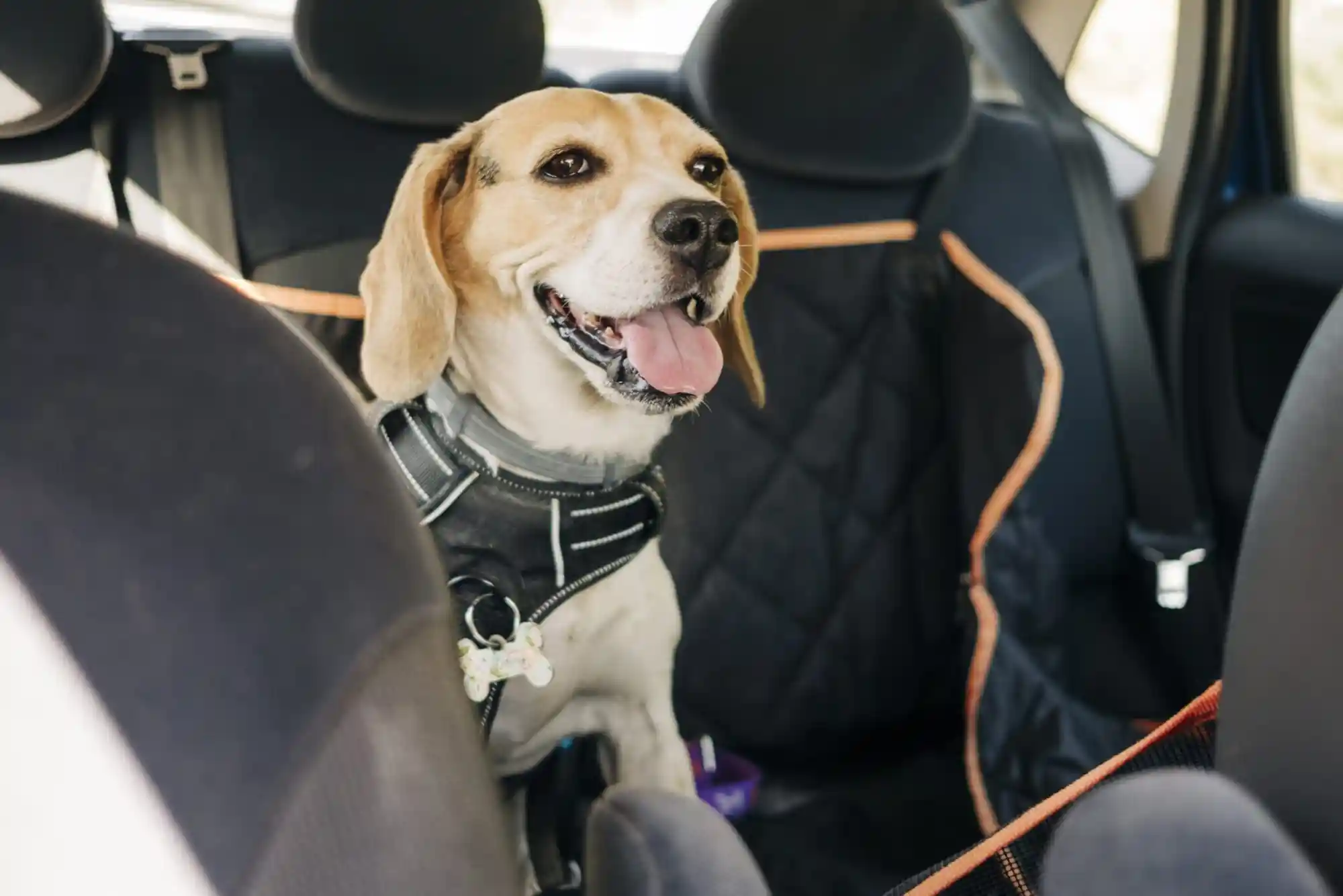
A hammock-style cover usually attaches around the vehicle’s headrests and spans the rear seating area. It can protect upholstery from muddy paws, fur, water, and scratches. It can also prevent a dog from slipping into the footwell.
That containment can make everyday travel more comfortable. However, a hammock alone does not necessarily restrain a dog during a serious collision.
This distinction is supported by independent safety guidance. CPS’s certified-product program focuses on tested harnesses, carriers, and crates rather than treating ordinary hammock covers as crash restraints.
The most sensible way to think about a hammock is as a supporting piece of travel equipment, not the primary crash-protection device.
A practical backseat arrangement can therefore combine a properly fitted, independently tested restraint with a well-installed hammock underneath or around the dog. The restraint handles movement control, while the hammock helps create a cleaner and more comfortable travel area.
What to Look for in a Safe Dog Car Hammock
Not all hammocks are built the same. Since the main purpose is containment, comfort, and interior protection, construction quality still matters.
Look for strong headrest straps that can be adjusted securely. The hammock should fit your vehicle without excessive sagging. A nonslip surface can help prevent your dog from sliding during ordinary driving.
Side flaps are also useful because they can protect the doors and reduce gaps around the edges. A waterproof or water-resistant material makes cleaning easier after wet-weather walks.
Another useful feature is access for the vehicle’s seat belts. A hammock should not force you to compromise the vehicle’s normal passenger restraints.
Fit is particularly important. A cover designed for a large SUV may not sit correctly in a small sedan. Before purchasing, measure the rear seating area and check the manufacturer’s compatibility information.
Most importantly, don’t mistake these features for crash certification. They improve usability, but they do not turn a hammock into a crash-tested restraint.
How to Choose Dog Seat Belts for Different Dogs
Your dog’s size, body shape, temperament, and travel habits all influence the appropriate setup.
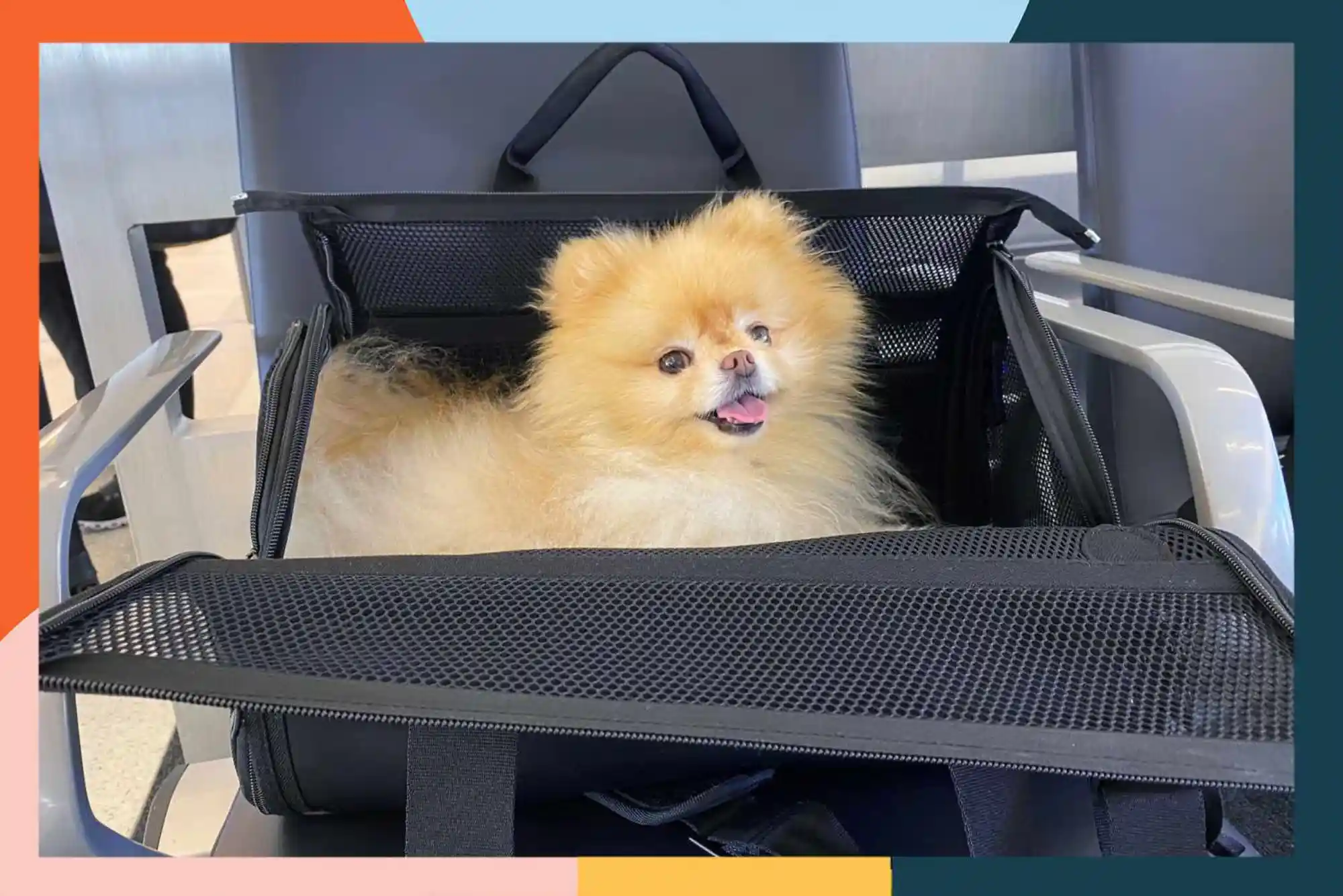
A small dog may need a properly secured carrier or a suitable crash-tested harness. A medium or large dog may be more comfortable wearing a crash-tested harness designed specifically for vehicle travel.
For example, the CPS currently lists the Sleepypod Clickit Range as a certified product. Its listing shows testing in November 2022, with sizes ranging from small through extra-large.
The important lesson is not simply to copy one product choice. Instead, check whether the specific product and size have documented testing that applies to your dog.
Fit matters, too. A restraint that is technically well designed can perform poorly if it is too loose, incorrectly positioned, or used with incompatible equipment.
Why You Should Avoid Extension Tethers
Extension tethers deserve special attention because they can look convenient.
A longer tether gives your dog more freedom to move around the rear seat. During normal driving, that may seem like a benefit. During sudden deceleration, however, additional movement can create additional momentum before the restraint catches the dog.
CPS warns that extension tethers can create a “clothes-line” effect and increase forces on a dog’s body. It recommends avoiding extension tethers and zipline-style products for vehicle travel.
For this reason, don’t automatically assume that a longer tether equals greater comfort or safety. A controlled range of movement is usually the more sensible design goal for a vehicle restraint.
How to Install Dog Seat Belts Correctly
Even a quality product can become ineffective when installed incorrectly.
Start by reading the manufacturer’s instructions before putting your dog into the vehicle. Adjust the harness so it fits securely without restricting normal breathing or movement.
Connect the restraint exactly as intended. Avoid adding homemade connectors, extra straps, or extension pieces unless the manufacturer specifically approves them.
Place your dog in the rear seating area rather than the front passenger seat. The AKC notes that dogs should not ride unrestrained in the vehicle and recommends using child locks when a dog is secured in the back seat, helping prevent accidental operation of doors or windows.
Before every journey, quickly inspect the clips, webbing, stitching, and attachment points. Wear and damage can develop over time, particularly if your dog chews the equipment.
How to Introduce Your Dog to a Car Restraint
Safety equipment only works when your dog accepts it.
Don’t wait until the morning of a long road trip to introduce a new harness. Let your dog investigate it at home first. Reward calm behavior and allow your dog to become familiar with the material and fastening system.
The AKC recommends gradually introducing restraint equipment before using it during actual driving. Short, positive sessions can help dogs build confidence around the car.
Next, let your dog sit in the stationary vehicle while wearing the restraint. Once your dog is comfortable, try short drives around the neighborhood.
For anxious dogs, gradual exposure is usually more productive than forcing them into a long journey immediately.
Common Mistakes That Reduce Backseat Safety
One common mistake is using a collar instead of a properly designed harness. A restraint attached to the wrong part of a dog’s body can create dangerous pressure during sudden deceleration.
Another mistake is assuming that an expensive product is automatically safer. Price, thick fabric, and attractive marketing do not prove crashworthiness.
A third mistake is using a hammock by itself. A hammock can be excellent for protecting the interior and reducing everyday sliding, but it should not be confused with an independently tested crash restraint.
Finally, never allow your dog to put its head outside the window. The AKC warns that flying debris can injure a dog’s eyes, while an open window can create opportunities for a dog to jump or fall from the vehicle.
Are Crash-Tested Dog Seat Belts Worth It?
For owners who regularly travel with their dogs, documented crash testing provides useful information that ordinary marketing cannot.
CPS’s published research demonstrates why independent testing is valuable. Its testing evaluates how restraints behave under simulated crash conditions rather than simply checking whether a product looks durable.
That does not mean every certified product will be perfect for every dog. Vehicle compatibility, dog size, harness fit, and correct installation still matter.
It does mean that consumers have more meaningful evidence to consider when choosing between a product with independently documented testing and one that only makes a general “crash tested” claim.
Can a Hammock and Dog Seat Belt Be Used Together?
Yes. In fact, combining them can address different practical needs.
The hammock can protect the seats and create a defined backseat area. The properly fitted restraint can limit your dog’s movement.
The key is ensuring that the hammock does not interfere with the restraint or vehicle seat-belt system. It should also be installed according to its own instructions.
If a hammock blocks access to important seat-belt hardware or prevents the restraint from attaching correctly, it may not be suitable for that particular vehicle.
The goal is not to add as much equipment as possible. It is to create a setup where each component performs its intended function without compromising another component.
Build a Safer Backseat Setup
Choosing the right dog seat belts is about more than finding a strong-looking strap. Look for independently documented crash testing, appropriate sizing, secure attachment, and correct installation.
A car hammock can be a useful addition because it protects upholstery, limits access to the footwell, and creates a comfortable backseat environment. But it should not replace a genuine restraint.
Before your next trip, inspect your dog’s harness, check every connection, install the hammock correctly, and give your dog time to become comfortable with the setup. For additional guidance, review the Center for Pet Safety’s certified-product database and published testing research before buying.
FAQs
Are dog seat belts safe?
They can improve vehicle safety when they are designed for canine travel, correctly fitted, and used according to instructions. Independent crash testing provides stronger evidence than a general marketing claim. CPS maintains a database of certified pet safety products.
What is the safest way for a dog to travel in a car?
A properly secured crate or an independently crash-tested harness can provide a controlled travel environment. The AKC recommends keeping dogs restrained rather than allowing them to move freely around the vehicle.
Are dog car hammocks safe?
A hammock can help contain a dog within the backseat and protect the vehicle’s interior. However, a hammock should not be treated as a substitute for a crash-tested restraint. Pairing a suitable hammock with appropriate restraint equipment can provide both comfort and containment.
Do dog seat belts work in a crash?
Performance depends heavily on the product design, testing, fit, attachment system, and installation. This is why independently documented crash testing is more useful than relying solely on advertising claims. CPS’s research has identified significant differences in restraint performance during simulated crashes.
Can I use a dog seat belt with a collar?
A vehicle restraint should be used with equipment specifically designed for safe canine restraint. A properly fitted harness is generally the relevant component for a seat-belt-style travel system. Follow the restraint manufacturer’s instructions rather than attaching a tether to an unsuitable collar.
Should my dog ride in the front or back seat?
The back seat is generally the preferred location for restrained dogs. The AKC advises against unrestrained dogs in vehicles and highlights the risks associated with front-seat travel and airbags.
Are all crash-tested dog harnesses certified?
No. “Crash-tested” and “certified” are not interchangeable terms. Check who performed the testing, what product and size were tested, and whether an independent organization provides certification or test results.
Can I use an extension tether with a dog seat belt?
CPS specifically advises against extension tethers and zipline-style products because they can allow excessive movement during a crash.

