







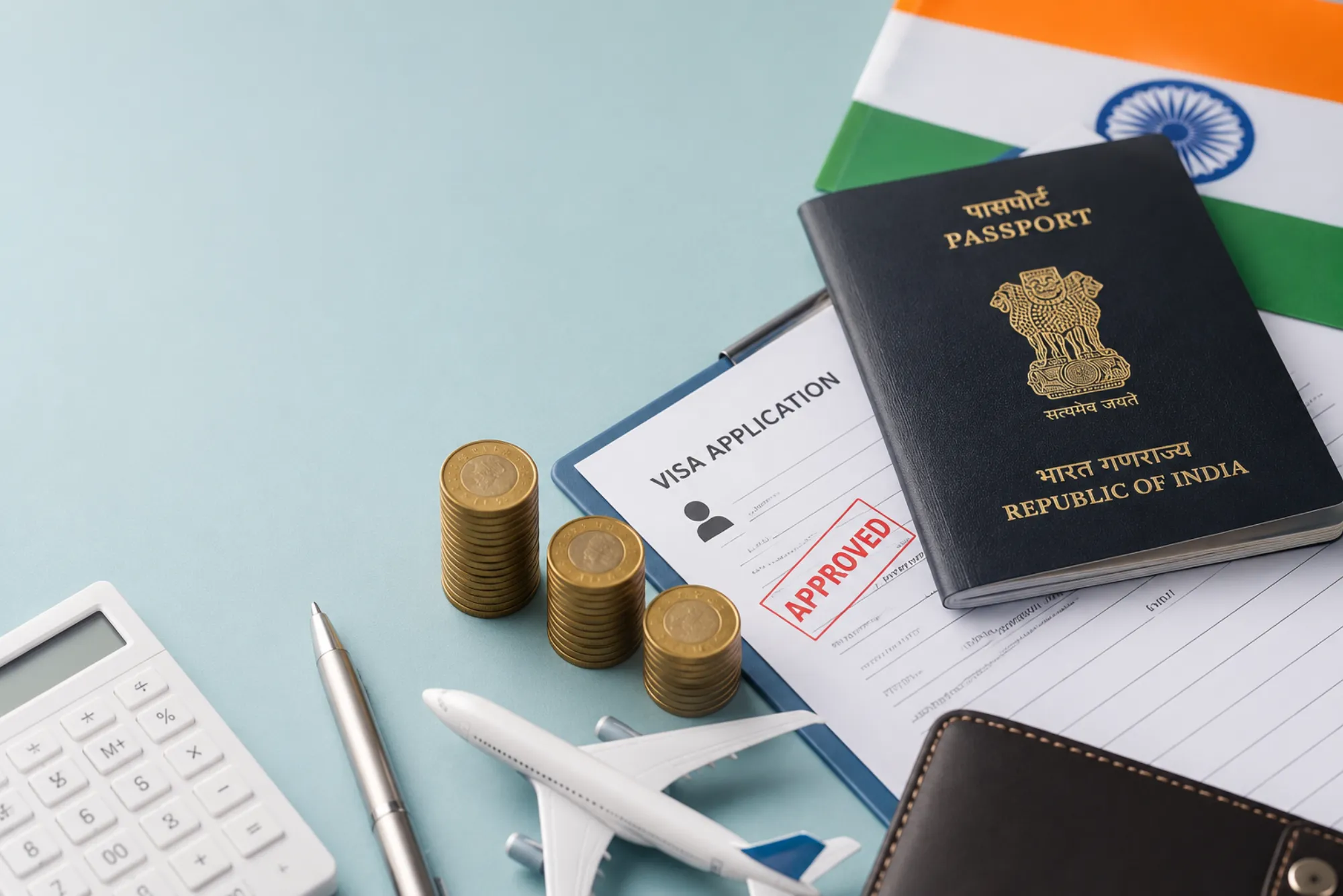
Travel demand for India continues to grow in 2026 as millions of visitors plan holidays, business trips, educational programs, and family visits across the country. From the busy streets of Delhi to the beaches of Goa and the mountains of Himachal Pradesh, India attracts travelers from nearly every part of the world. Before booking flights and accommodation, understanding visa charges is one of the most important steps for budgeting your trip properly.
Understanding India Visa Categories
The Indian government provides multiple visa options for international visitors. The most common categories include tourist visas, business visas, medical visas, student visas, and eVisas. Each category serves a different purpose and comes with its own pricing structure.
Tourists visiting India for sightseeing, vacations, or cultural exploration generally apply for an eTourist visa. Professionals attending meetings or trade events usually require a business visa. Students enrolling in universities or educational institutions need a student visa with extended validity.
Travelers planning their journey often compare flight and travel expenses before applying for a visa. For example, guides such as international airline ticket prices can help travelers estimate overall travel costs alongside visa expenses.
India Visa Prices in 2026
Visa fees in 2026 remain relatively affordable compared to many international destinations. However, charges depend heavily on visa type and nationality. Processing agencies may also add service fees in addition to official government charges.

| Visa Type | Validity | Estimated Fee (USD) | Processing Time |
|---|---|---|---|
| eTourist Visa | 30 Days | $10 – $25 | 3 to 5 Days |
| 1-Year Tourist Visa | 365 Days | $40 – $80 | 3 to 7 Days |
| Business Visa | 1 to 5 Years | $80 – $150 | 5 to 10 Days |
| Student Visa | Course Duration | $75 – $120 | 7 to 14 Days |
| Medical Visa | 60 Days | $60 – $100 | 3 to 7 Days |
Factors That Affect India Visa Fees
Several elements can influence the final amount travelers pay for an Indian visa in 2026. One major factor is nationality. Citizens from some countries benefit from reduced fees under bilateral agreements, while others may pay higher charges.
Another important factor is visa duration. A short-term tourist visa naturally costs less than a multi-year business visa. Urgent processing requests can also increase total fees significantly.
Applicants should also account for:
- Bank transaction charges
- Third-party visa agency fees
- Document translation costs
- Biometric appointment charges
Travel planning becomes easier when travelers calculate all expected expenses together. Reading destination-focused travel guides such as popular accommodation recommendations can also help travelers organize complete regional travel budgets.
India eVisa Charges in 2026
The eVisa system remains the preferred choice for many international visitors due to its convenience and lower processing times. Travelers can apply online without visiting an embassy or consulate in most cases.
India currently offers several eVisa categories, including:
- eTourist Visa
- eBusiness Visa
- eMedical Visa
The short-term 30-day eTourist visa continues to be the cheapest option for casual visitors. Longer eVisas covering one year or five years cost more but provide flexibility for frequent travelers.
Applicants should carefully review passport validity requirements before submitting applications. Most visas require at least six months of passport validity from the date of arrival in India.
How to Apply for an India Visa
The application process for India visas has become more streamlined in recent years. Most applicants can complete the process online within a few steps.
1. Choose the Correct Visa Type
Select the visa category based on the purpose of travel. Applying under the wrong category may lead to delays or rejection.
2. Complete the Online Form
Applicants must provide personal details, travel history, passport information, and intended travel dates.
3. Upload Required Documents
Common requirements include passport scans, passport-size photographs, and supporting documents depending on the visa type.
4. Pay the Visa Fee
Payments are generally made online through debit cards, credit cards, or digital banking systems.
5. Wait for Approval
After review, approved visas are sent electronically through email for eVisa applications.
Common Reasons for Visa Delays
Although many applications are processed smoothly, some travelers experience delays due to avoidable mistakes. Incorrect passport details, blurry document uploads, and incomplete forms are among the most common issues.
Applying early remains the safest approach, especially during peak tourism periods. Holiday seasons often lead to higher application volumes and longer processing times.
Travelers interested in broader travel planning may also benefit from reading travel tips and trip preparation guides before organizing international journeys.
Tips to Save Money on India Visa Applications
Visa expenses can add up quickly for families and long-term travelers. Fortunately, there are several ways to reduce unnecessary costs.
First, apply directly through official channels whenever possible to avoid inflated third-party agency fees. Second, choose standard processing instead of urgent processing unless absolutely necessary.
Travelers should also verify visa validity carefully before paying. Purchasing a longer-duration visa than needed may result in unnecessary expenses.
Is India Visa-Free for Any Countries?
India maintains limited visa-free arrangements with a small number of countries. However, most foreign travelers still require either a standard visa or eVisa before arrival.
Some diplomatic passport holders and neighboring country agreements may provide exceptions. Travelers should always verify current eligibility rules before planning departure.
FAQs About India Visa Prices in 2026
How much is an India tourist visa in 2026?
Short-term tourist visas generally range between $10 and $25, while long-term tourist visas may cost up to $80 depending on nationality.
How long does India eVisa processing take?
Most eVisas are processed within three to five business days, although delays can occur during peak seasons.
Can travelers get a refund if the visa is rejected?
In most cases, visa fees are non-refundable even if the application is denied.
Is an India eVisa cheaper than a regular visa?
Yes, eVisas are usually more affordable and faster compared to embassy-issued traditional visas.
Conclusion
India visa prices in 2026 remain accessible for most international travelers, especially with the continued expansion of the eVisa system. Whether visiting for tourism, business, education, or medical treatment, understanding visa categories and fee structures can help travelers avoid unexpected costs and delays.
Careful preparation, accurate documentation, and early application submission remain the best ways to ensure a smooth visa process. As India continues attracting global travelers with its culture, cuisine, landscapes, and business opportunities, having clear information about visa charges makes trip planning significantly easier.
Related Reading: Aus Visa Prices in 2026: What You Need to Pay — full guide

