





Introduction
Pet-Friendly Train Travel: Amtrak, Eurostar, and UK Rail Policies Explained is an important guide for anyone planning a journey with a dog, cat, or other companion animal. Train travel can be easier than flying for many pets. However, every railway has its own rules about carriers, tickets, animal size, routes, and onboard behavior.
Amtrak offers a practical option for small dogs and cats on eligible routes. Eurostar has stricter restrictions, especially on services connecting London with mainland Europe. UK rail services are generally more welcoming to pets, with most operators allowing dogs, cats, and other small animals.
Therefore, checking the exact policy before booking is essential. A journey that permits pets on one railway may have completely different rules on another. International travel also introduces health documents and border requirements.
This guide explains the key differences between Amtrak, Eurostar, and UK rail services. It also covers practical preparation tips for a calmer and safer journey.
Pet-Friendly Train Travel: Understanding the Main Differences
Pet-Friendly Train Travel: Amtrak, Eurostar, and UK Rail Policies Explained becomes easier when you understand that these systems operate differently.
Amtrak generally allows small dogs and cats to travel with their owners in carriers. The combined weight of the pet and carrier cannot exceed 20 pounds. Eligible trips are generally limited to seven hours, although route restrictions apply.

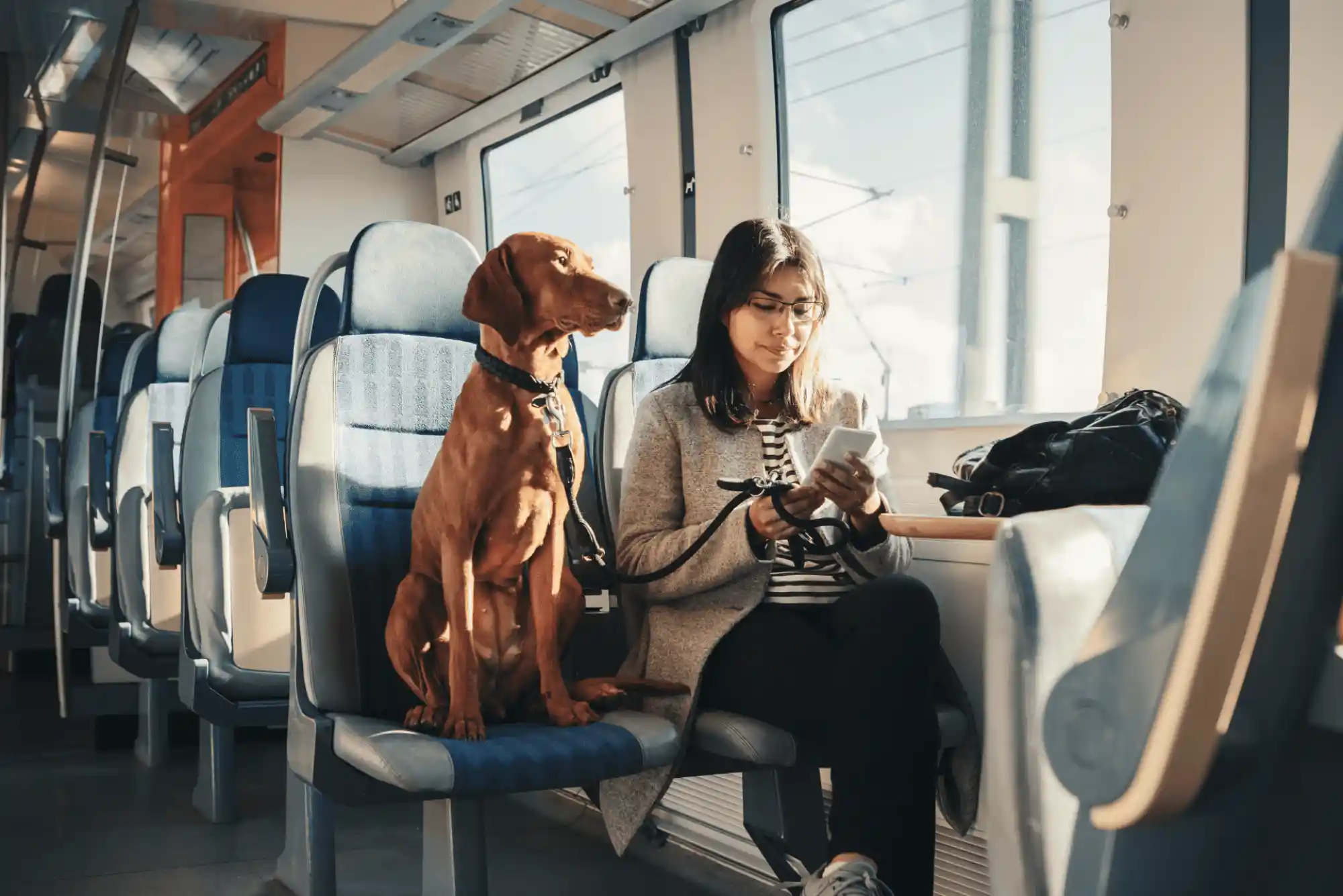
UK National Rail takes a more flexible approach. Passengers can generally bring up to two pets without an additional charge. Dogs should remain on leads, while cats and other small animals should stay inside suitable carriers.
Eurostar is more complicated because pet rules depend heavily on the route. Regular pets cannot travel on Eurostar services to or from London. However, small pets are accepted on several mainland European routes between Belgium, France, Germany, and the Netherlands.
As a result, travelers should never assume that a pet-friendly railway accepts animals on every service.
Amtrak Pet Policy Explained
Amtrak provides one of the clearer options for domestic travelers who want to take a small pet by train. Its current policy permits dogs and cats on eligible services.
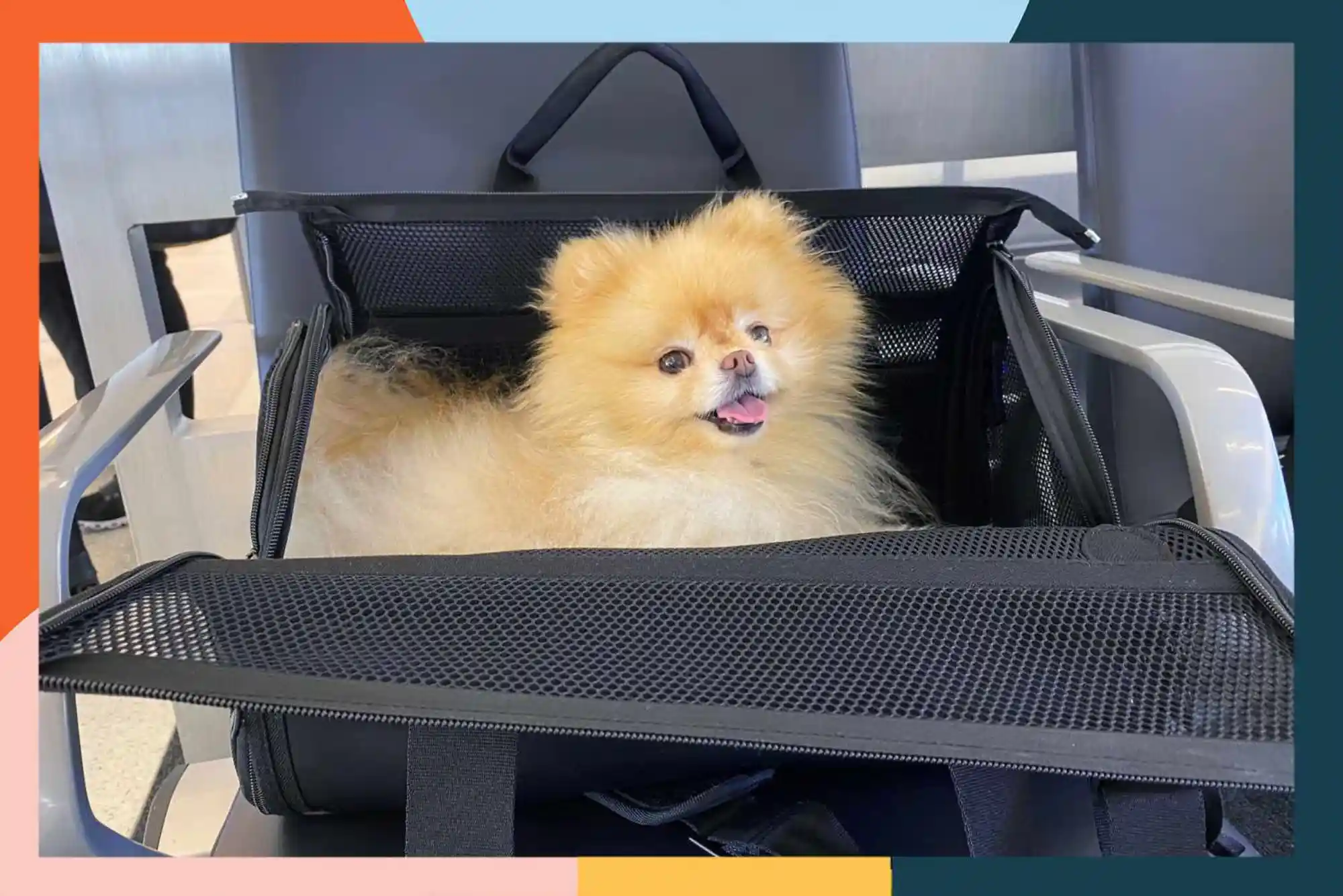
The combined weight of the animal and carrier must not exceed 20 pounds. The pet must travel inside an approved carrier throughout the journey. The carrier can be hard-sided or soft-sided, but it must be leakproof and well ventilated.
The maximum carrier dimensions are 19 inches long, 14 inches wide, and 10.5 inches high. Your pet should be able to sit and lie down comfortably inside the carrier.
Amtrak generally limits pet journeys to seven hours. This calculation can include transfer time when multiple trains form part of the same trip. Therefore, travelers should check the complete itinerary rather than looking only at individual train segments.
Pet reservations are required, and availability is limited. One customer can reserve space for one pet. This makes early booking especially important during busy travel periods.
Where Can Pets Sit on Amtrak?
Pets are allowed in Coach Class and Acela Business Class where the service permits them. However, they cannot travel in Acela First Class seating, food service cars, or private First Class rooms.
On certain trains, Amtrak designates specific coaches for passengers traveling with pets. This can vary by route, so travelers should confirm the arrangements when booking.
The carrier must remain under the passenger’s seat during the journey. It should not be placed on another passenger seat. Pets must also remain inside the closed carrier at stations and onboard trains.
What Does Amtrak Charge for Pets?
Amtrak’s pet fees vary by route and appear during the reservation process. Because fares and availability can change, travelers should check the current price for their specific journey.
The important point is that the pet requires its own reservation. A passenger should not simply arrive at the station with an unreserved animal.
Amtrak also requires a Pet Release and Indemnification Agreement. At staffed stations, passengers traveling with pets should check in at the ticket office before departure.
Eurostar Pet Policy Explained
Eurostar presents a different situation. Pet-Friendly Train Travel: Amtrak, Eurostar, and UK Rail Policies Explained must distinguish between Eurostar’s London services and its mainland European routes.
Regular pets are not permitted on Eurostar trains traveling to or from London. This includes the London routes connecting with major European destinations. There are also restrictions on certain other Eurostar services.
However, small domestic animals are welcome on eligible mainland routes between Belgium, France, Germany, and the Netherlands.
Small pets weighing less than 6 kilograms can travel free when placed in a suitable carrier. The maximum carrier dimensions are 45 by 30 by 25 centimeters.
Larger dogs that cannot travel inside a carrier may also be accepted on eligible European routes. They require a specific dog fare and must remain leashed and muzzled. The current Eurostar information states a €30 fare for these larger dogs.
Eurostar does not accept dangerous dogs, wild animals, or birds on these services.
Can Pets Travel on Eurostar to London?
For ordinary pets, the answer is generally no. Eurostar does not allow regular pets on its trains to or from London.
This is one of the most important differences in Pet-Friendly Train Travel: Amtrak, Eurostar, and UK Rail Policies Explained. A traveler might successfully take a small dog on a mainland European Eurostar service but cannot assume the same dog can board a London-bound train.
Assistance and guide animals are treated differently. Eurostar allows qualifying guide and assistance dogs and assistance cats on London services when the required arrangements and documentation are completed. Travelers must contact Eurostar in advance.
UK Rail Pet Policies Explained
UK National Rail is generally one of the easiest systems for traveling with pets. Passengers can normally bring up to two animals without paying an additional fare.
Dogs should be kept on leads, while cats and other small animals should remain inside suitable carriers. Pets cannot sit on passenger seats.
The carrier should be rigid, closed, and large enough for the animal to stand and lie down comfortably. This helps prevent escapes and protects other passengers.
UK rail services also allow pets on sleeper trains. However, restrictions can apply to restaurant cars, and additional cleaning charges may apply when traveling with a dog on some sleeper services.
Although National Rail provides general guidance, individual train companies can have additional requirements. Therefore, checking the specific operator before departure remains a sensible step.
Assistance Dogs on UK Trains
Assistance dogs receive different treatment from ordinary pets. Under the National Rail Assistance Dogs Travel Scheme, assistance dogs travel free.
They may also access areas where ordinary pets are restricted, subject to appropriate arrangements. National Rail states that assistance dogs can enter restaurant cars when a suitable table and seat are available.
This distinction is important for passengers who depend on an assistance animal. An assistance animal should not automatically be treated as a standard pet.
International Pet Travel to Great Britain
Pet-Friendly Train Travel: Amtrak, Eurostar, and UK Rail Policies Explained becomes more complicated when your journey crosses an international border.
Traveling into Great Britain with a dog, cat, or ferret involves government requirements in addition to railway rules. Depending on the origin country, travelers may need microchipping, rabies vaccination, an appropriate pet travel document, and other requirements.
For dogs entering Great Britain, tapeworm treatment may also be required. The government currently states that this treatment must normally be administered between 24 hours and five days before arrival.
Approved travel routes are also important. The UK government advises travelers to check approved routes before traveling because these can change.
These requirements are separate from the train company’s own pet policy. Having the correct railway ticket does not automatically mean your pet meets border-entry requirements.
Traveling Between Britain and the EU
Pet owners traveling between Great Britain and the European Union should check the latest government guidance before every trip.
Current rules can involve an animal health certificate, microchip information, rabies vaccination records, and additional requirements depending on the destination.
The UK government also updated guidance in 2026 concerning EU pet travel for people living in Great Britain. Therefore, relying on an old pet passport or previous travel experience can create problems.
The safest approach is to confirm the rules with an official government source and the railway or transport company before booking.
How to Prepare Your Pet for Train Travel
Successful Pet-Friendly Train Travel: Amtrak, Eurostar, and UK Rail Policies Explained is not only about tickets and regulations. Your pet’s comfort matters just as much.
Before the journey, allow your pet to become familiar with the carrier. A carrier that feels normal at home can be less stressful during a busy station experience.
For dogs, practice short journeys before attempting a longer train trip. Reward calm behavior and gradually increase the travel time.
Food should be managed carefully before departure. A very large meal immediately before travel may increase the risk of nausea. However, pets should remain appropriately hydrated.
You should also bring water, familiar bedding, cleaning supplies, and any required medication. Avoid giving medication intended to sedate your pet unless a veterinarian has specifically recommended it.
Station environments can be crowded and noisy. Therefore, keeping your pet secure is essential. Dogs should remain on leads where required, while cats and smaller animals should stay inside their carriers.
Choosing Between Amtrak, Eurostar, and UK Rail
The best option depends on your route and your pet’s size.
Amtrak can be convenient for small dogs and cats when your journey fits its seven-hour limit. Its 20-pound combined carrier and pet limit makes it particularly suitable for smaller animals.
UK rail is more flexible for ordinary domestic pet travel. Up to two pets can generally travel free, which makes many journeys relatively straightforward.
Eurostar is the most restrictive of the three for ordinary pets when London is involved. However, its mainland European routes can be suitable for smaller pets when the relevant conditions are met.
For international journeys, border requirements can become more important than the train policy itself. Travelers should therefore plan the complete journey rather than considering each train separately.
Frequently Asked Questions
Can I take my dog on an Amtrak train?
Yes. Amtrak allows dogs on eligible services when they meet its pet requirements. The dog and carrier must weigh no more than 20 pounds combined.
The trip is generally limited to seven hours, and the dog must remain inside an approved carrier. Pet reservations are also required.
Can I take a cat on Amtrak?
Yes. Cats are accepted on eligible Amtrak services under the same basic carry-on pet requirements.
The cat must remain inside a suitable carrier throughout the journey. The combined weight of the cat and carrier cannot exceed 20 pounds.
Can I take my dog on Eurostar?
It depends on the route. Ordinary pets are not accepted on Eurostar services to or from London.
However, eligible mainland European routes allow small pets and larger dogs under specific conditions.
Are dogs allowed on UK trains?
Yes. UK National Rail generally allows dogs and other pets on trains.
Dogs should remain on leads, while cats and other small animals should use suitable carriers. Up to two pets can generally travel without an additional charge.
Do pets need tickets on UK trains?
Usually, no. National Rail states that up to two pets can travel without an additional charge.
However, individual train companies may have additional rules, particularly for specific services such as sleeper trains.
Can assistance dogs travel on Eurostar?
Yes. Eurostar allows qualifying guide and assistance dogs on its services, including London routes, subject to advance arrangements and required documentation.
Passengers traveling to or from London should contact Eurostar at least 24 hours before departure.
What documents does my pet need to enter Great Britain?
Requirements depend on where your pet is traveling from. Dogs, cats, and ferrets may require a microchip, rabies vaccination, and an appropriate pet travel document.
Dogs may also need tapeworm treatment. Travelers should always check the current UK government requirements before departure.
Conclusion
Pet-Friendly Train Travel: Amtrak, Eurostar, and UK Rail Policies Explained shows that traveling by train with a pet can be practical, but policies vary significantly.


