







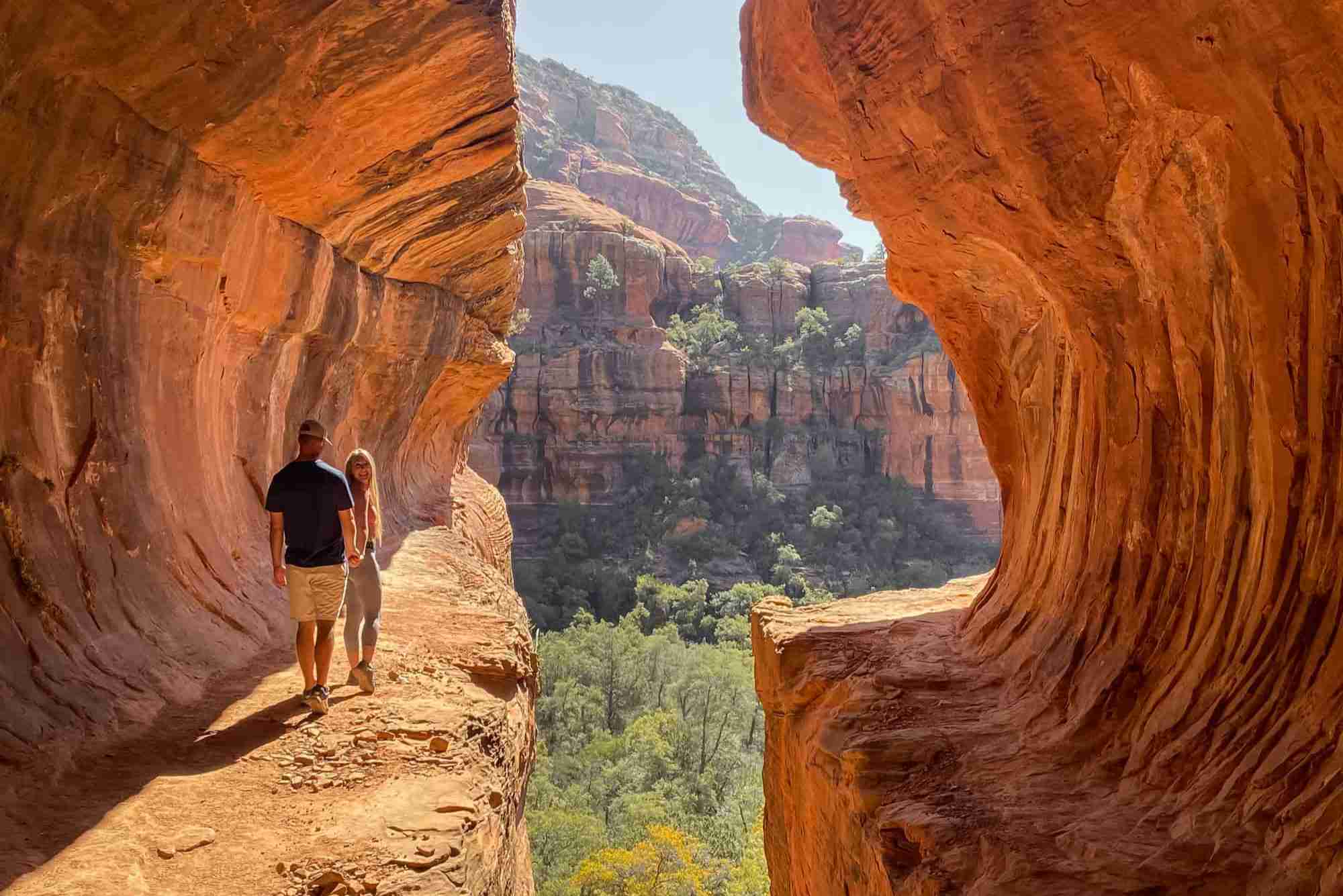
The Complete Hiking Guide to Canada: Trails, Planning & Safety
Canada is a hiker’s paradise, offering vast landscapes, breathtaking scenery, and trails that suit every skill level. From the rugged Rockies to serene coastal paths, hiking in Canada is an adventure of a lifetime. Whether you are a beginner or an experienced trekker, understanding the trails, planning your trip, and prioritizing safety is crucial. This guide will cover everything you need to know to hike Canada confidently.
Exploring Canada’s Top Hiking Trails
Rocky Mountain National Park Trails
The Canadian Rockies are famous worldwide for their dramatic peaks, alpine meadows, and turquoise lakes. Trails like the Lake Agnes Tea House hike and the Plain of Six Glaciers offer moderate difficulty with rewarding views. For experienced hikers, the Skyline Trail provides a multi-day adventure with panoramic vistas.
West Coast Trails in British Columbia
British Columbia boasts lush rainforests, waterfalls, and coastal paths. The West Coast Trail is iconic for experienced hikers seeking a challenging journey. For a more relaxed hike, consider the Grouse Grind in Vancouver or Joffre Lakes for stunning glacier-fed lakes.
Eastern Canada Trails
Ontario and Quebec offer trails with a mix of forest, river, and lake landscapes. Bruce Trail in Ontario is Canada’s oldest and longest marked trail, perfect for both day hikes and multi-day treks. In Quebec, Sentier National offers spectacular forested paths with occasional mountain views.
Northern Adventures
For those seeking solitude and untouched wilderness, the Yukon and Northwest Territories provide remote trails. The Chilkoot Trail combines history with hiking and can take several days. Always be prepared with navigation tools, as trails in the North can be rugged and less marked.
Planning Your Canadian Hiking Trip
Choosing the Right Trail
Select trails based on your fitness level, experience, and the season. Check trail lengths, elevation gains, and estimated time. Some trails require permits, especially in national parks, so research ahead of time.
Packing Essentials
A well-packed backpack ensures comfort and safety. Essentials include a first aid kit, sufficient water, high-energy snacks, weather-appropriate clothing, navigation tools, and a reliable pair of hiking boots. Layers are essential for Canada’s variable weather.
Seasonal Considerations
Canada experiences diverse weather patterns. Summer is ideal for most regions, offering warmer temperatures and accessible trails. Fall brings colorful foliage but cooler temperatures, while spring can still have snow at higher elevations. Winter hiking requires specialized gear such as crampons and snowshoes.
Accommodation Options
Depending on your hike, you can choose campsites, backcountry shelters, or nearby lodges. Many national parks offer well-maintained camping areas, but backcountry trips require advance reservation and preparation.
Safety Tips for Hiking in Canada
Wildlife Awareness
Canada is home to bears, moose, and other wildlife. Always carry bear spray, make noise while hiking, and know how to react in encounters. Store food securely and follow park guidelines.
Weather Preparedness
Weather can change rapidly in mountainous areas. Always check forecasts before hiking and carry rain protection. Hypothermia is a risk even in summer at high elevations.
Navigation and Communication
Carry a map, compass, or GPS device. While cell service is available in some areas, remote trails often lack coverage. Inform someone about your hiking plans and expected return time.
Physical Preparedness
Hiking can be physically demanding. Train in advance, start with shorter trails, and gradually increase difficulty. Pay attention to altitude changes and pace yourself.
Enhancing Your Hiking Experience
Scenic Photography Tips
Canada’s landscapes are stunning, and capturing the experience enhances memories. Sunrise and sunset offer dramatic lighting. Respect nature and avoid leaving traces when taking photos.
Joining Hiking Communities
Local hiking clubs and online communities provide valuable insights, trail updates, and safety tips. Networking with other hikers can enrich your experience and provide support.
Sustainable Hiking Practices
Practice Leave No Trace principles. Stick to marked trails, pack out all trash, and minimize your impact on wildlife and vegetation. Sustainable practices help preserve Canada’s natural beauty for future hikers.
The Complete Hiking Guide to Canada: Trails, Planning & Safety, Hiking in Canada offers unforgettable experiences, but preparation is key. From choosing the right trail to ensuring safety and embracing sustainable practices, every detail counts. Whether exploring the Rockies, coastal paths, or remote northern trails, this complete hiking guide helps you enjoy your adventure fully. Gear up, plan carefully, and immerse yourself in Canada’s awe-inspiring landscapes. Start planning your hiking adventure today and explore the wild beauty of Canada with confidence.
FAQ
What is the best time to hike in Canada?
The best time is summer, from June to September, when trails are mostly snow-free and weather is favorable. Fall is also great for foliage.
Do I need a permit for hiking in Canadian national parks?
Many national parks require permits, especially for backcountry or multi-day hikes. Check the park’s official website for requirements.
How do I stay safe from wildlife while hiking?
Make noise, carry bear spray, store food securely, and maintain a safe distance from animals. Learn local wildlife behavior before your hike.
What should I pack for a day hike in Canada?
Essentials include water, snacks, weather-appropriate clothing, a first aid kit, navigation tools, and sturdy hiking boots. Layering is recommended.
Are Canadian trails suitable for beginners?
Yes, Canada offers trails for all skill levels. Start with easy day hikes like Lake Agnes Tea House or Grouse Grind before attempting more challenging routes.
Can I hike in Canada during winter?
Winter hiking is possible but requires specialized gear like crampons, snowshoes, and warm layers. Only experienced hikers should attempt winter trails in remote areas.
