







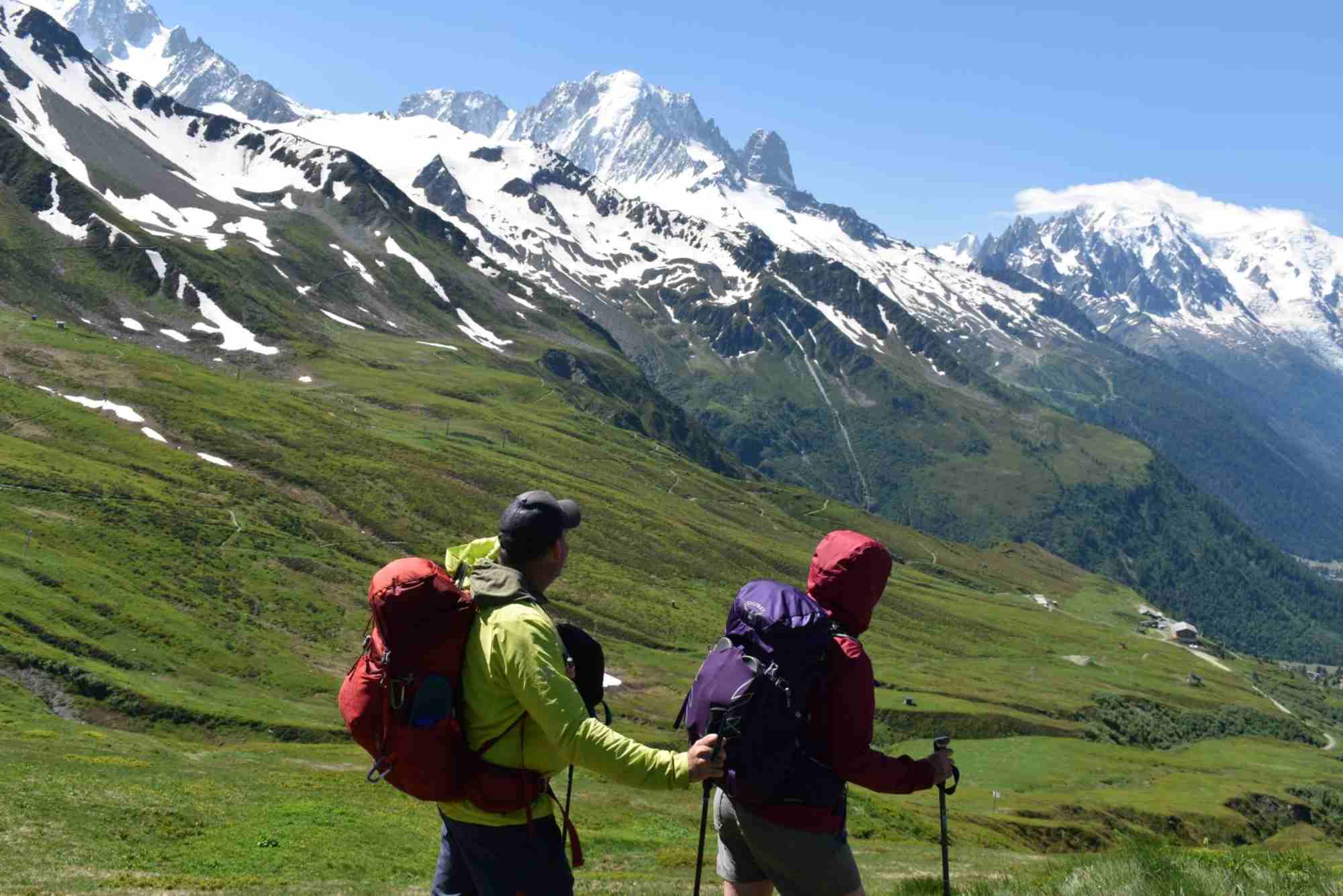
Introduction
Switzerland is one of the most spectacular hiking destinations in the world. With its dramatic Alps, crystal-clear lakes, charming alpine villages, and well-marked footpaths, the country offers endless opportunities for adventure. This complete hiking guide to Switzerland will help you explore its top trails, plan your trip, and stay safe on the mountains. Whether you are a beginner or an experienced hiker, this guide will give you everything you need to enjoy the perfect outdoor experience.
Hiking is one of the best ways to explore Switzerland’s natural beauty. Because the trails are well maintained and easy to navigate, even newcomers feel comfortable. The focus keyword, hiking guide to Switzerland, appears naturally throughout this article to help you gain the information you need without disrupting readability. Switzerland offers thousands of kilometres of hiking routes, ranging from gentle lakeside strolls to demanding alpine ascents. With that variety, every traveler can find a path that matches their skills and expectations.
Best Hiking Trails in Switzerland
Exploring the best hiking trails is essential when using a hiking guide to Switzerland. The country’s landscape offers everything from relaxed nature walks to challenging mountain routes. Here are some of the most admired trails that attract travellers from across the globe.
Zermatt and the Matterhorn Region
The Zermatt region is one of the most iconic areas in any hiking guide to Switzerland. The Matterhorn, with its distinct pyramid shape, dominates the landscape. Many hikers choose the Five Lakes Trail, which offers reflections of the mountain in crystal clear water. This route is moderate and suitable for most hikers. Another famous trail is the Hörnli Hut trail, which provides close views of the Matterhorn and is ideal for experienced adventurers seeking an uphill challenge. The paths here are well signposted, making navigation simple.
Grindelwald and the Jungfrau Region
No hiking guide to Switzerland would be complete without the Jungfrau region. Grindelwald is a perfect base for accessing scenic trails surrounded by the Eiger, Mönch, and Jungfrau peaks. The Eiger Trail is one of the most thrilling routes, taking you along the base of the mountain’s north face. Even beginners find enjoyable paths here, such as the Grindelwald First to Bachalpsee hike. Visitors love this trail because it combines alpine pastures, panoramic views, and a peaceful lake at the end.
Interlaken and the Lauterbrunnen Valley
The Lauterbrunnen Valley is often described as one of the most beautiful places in Switzerland. In this hiking guide to Switzerland, it deserves special mention because of its dramatic cliffs and 72 waterfalls. The Mürren to Grütschalp trail offers gentle walking for families or beginners. For experienced hikers, the climb to Schilthorn provides spectacular views over the entire Bernese Oberland. The region is also known for its scenic cable cars, making it easier to reach higher-altitude trails.
Engadin and St. Moritz
The Engadin Valley is quieter yet equally stunning. If you are reading this hiking guide to Switzerland and prefer serene, less crowded trails, this is the place for you. The Panorama Trail from Muottas Muragl is especially popular in summer for its broad views over the valley and lakes. St. Moritz also offers the Lake Staz trail, which is easy, family-friendly, and perfect for photography lovers. Because this region receives plenty of sunshine, hiking conditions are favourable for much of the year.
Ticino and the Italian-Speaking Region
Ticino adds a Mediterranean feel to any hiking guide to Switzerland. Palms, mild weather, and stone villages make it unique. The Monte Brè and Monte San Salvatore trails offer gentle climbs and sweeping views over Lake Lugano. Those looking for something more adventurous will enjoy the Verzasca Valley. Its emerald river, stone bridges, and rugged paths offer a rare mix of culture and nature. This region is perfect for hikers seeking variety in both scenery and climate.
Planning Your Hiking Trip in Switzerland
Planning ahead is essential when preparing your hiking guide to Switzerland. Thoughtful preparation ensures comfort, safety, and smooth travel. Switzerland is well organized, but the mountains can be unpredictable. A successful hiking trip depends on knowing the best times to visit, what to pack, and how to commute between trails.
Best Time to Visit
The ideal hiking season runs from June to October. During these months, trails are clear of snow, temperatures are mild, and alpine flowers are in bloom. Some lower-altitude routes are accessible in spring and early autumn, but higher trails may remain icy. July and August are the busiest months, especially in tourist regions like Zermatt and Interlaken. Those seeking quieter paths will enjoy September, which still offers great weather but fewer crowds. Because Switzerland’s climate varies by region, always check local forecasts before starting your hike.
What to Pack for Your Hiking Trip
Packing the right gear enhances safety and enjoyment. In this hiking guide to Switzerland, everything revolves around readiness. Essential items include sturdy hiking shoes, moisture-wicking layers, a waterproof jacket, sunscreen, sunglasses, and a refillable water bottle. Trekking poles help with balance on steep or rocky sections. A detailed map or GPS tool adds reassurance, although most Swiss trails are very well marked. Snacks such as nuts, energy bars, and fruit support you on long hikes. Always carry a small first aid kit for unexpected situations.
Transportation and Connectivity
Switzerland’s transportation system is remarkably efficient. Trains, buses, funiculars, and cable cars provide easy access to remote areas. Many trails start directly from train stations, eliminating the need for long transfers. The Swiss Travel Pass is convenient for tourists planning to explore multiple regions. It offers unlimited travel on public transportation and discounts on mountain excursions. Because this hiking guide to Switzerland emphasizes convenience, knowing that connectivity is seamless helps you plan your routes effectively. Travellers seeking inspiration for scenic road trips can explore options with Tour by Road, an excellent internal link resource for route planning: Tour by Road.
Essential Safety Tips for Hiking in Switzerland
Safety is the most important part of any hiking guide to Switzerland. Even though the country is well managed and trails are stable, mountain weather can be unpredictable. Following safety guidelines guarantees a safe and enjoyable outdoor experience.
Check Weather Conditions
Weather changes quickly in high-altitude regions. Clear skies can turn into rain or fog within minutes. Always check local forecasts before you start. If storms are predicted, postpone your hike. Carrying a waterproof layer protects you from sudden changes. In addition, avoiding ridge trails during strong winds prevents accidents. Safety depends on awareness, so watch the skies during your hike.
Know Your Fitness Level
In this hiking guide to Switzerland, understanding your physical limits is crucial. Some routes appear easy on maps but involve steep sections or long distances. Choose trails that match your fitness level, especially if you are new to alpine hiking. Begin with shorter routes and gradually challenge yourself as your stamina improves. Overexertion increases the risk of injury and reduces enjoyment.
Stay Hydrated and Nourished
Mountain activities burn more energy than usual. Drink water frequently to avoid dehydration. Switzerland has many clean water fountains, especially in villages and near trails. Carrying enough snacks keeps your energy stable throughout the day. Avoid skipping meals, especially when hiking at high altitudes, where your body works harder.
Respect Trail Signs and Boundaries
Swiss hiking trails are color-coded. Yellow signs mark easy paths, red and white signs indicate mountain routes that require more caution, and blue and white signs represent alpine trails that demand advanced skills. Always follow the designated markers. Do not create your own shortcuts or bypass official routes. Staying on marked paths protects both you and the natural environment.
Emergency Awareness
It is wise to save emergency contact numbers on your phone. The Swiss emergency number is 112. Mountain rescue services respond quickly, but reaching remote areas takes time. Always inform someone about your hiking plan, including the route and estimated return time. In remote locations, signal may be limited, so carrying a backup battery for your phone is useful.
Accommodation Options for Hikers
Switzerland offers a wide range of accommodation for hikers. You can choose from mountain huts, alpine lodges, boutique hotels, and lakeside resorts. Mountain huts provide basic facilities but spectacular sunrise views. They also allow you to start early and reach high-altitude trails before crowds arrive. Alpine lodges offer warm meals and comfortable rooms, ideal for multi-day hikes. For those seeking luxury, Swiss hotels combine relaxation with stunning scenery. Booking in advance is recommended, especially during peak season.
Food and Dining Tips for Hikers
Food plays a key role in any hiking adventure. Switzerland offers hearty meals that restore energy after long days outdoors. Popular dishes include rösti, cheese fondue, raclette, and alpine soups. Many hiking regions have mountain restaurants with panoramic terraces. These offer local cuisine with unforgettable views. For budget travellers, supermarkets provide affordable picnic supplies. Packing your own lunch allows you to stop anywhere along the trail and enjoy nature at your own pace.
Cultural Highlights Along the Trails
One unique aspect of this hiking guide to Switzerland is the blend of nature and culture. Hiking routes often pass through traditional villages, wooden chalets, and centuries-old churches. In regions like Appenzell and Valais, hikers may encounter seasonal festivals or hear local dialects. Swiss traditions remain alive in rural areas, adding charm to your trip. Photography enthusiasts find endless opportunities to capture these cultural touches.
This complete hiking guide to Switzerland gives you everything you need to plan the perfect outdoor adventure. From world-famous trails to practical tips and safety advice, the information here helps you explore confidently and comfortably. Switzerland is one of the world’s most inspiring hiking destinations, offering something for every skill level and preference. Start planning your journey today and enjoy unforgettable landscapes, fresh air, and peaceful moments in nature.
FAQs
What is the best month for hiking in Switzerland?
The best month for hiking is September because the weather is pleasant and crowds are smaller than in summer. Trails remain open, and temperatures are ideal for long walks.
Do I need hiking experience to explore Swiss trails?
Many trails are beginner friendly. Even those new to hiking will find plenty of easy routes. However, advanced alpine trails require experience.
Are Swiss hiking trails free to access?
Most trails are free. You may need to pay for cable cars or mountain trains, but walking paths themselves have no entry fee.
Can I hike in Switzerland during winter?
Winter hiking is possible on designated snow trails. However, regular alpine routes are closed due to snow and avalanche risk.
How safe is hiking in Switzerland?
Switzerland is very safe for hikers. Trails are well marked, and emergency services are reliable. The main risks come from sudden weather changes, so checking forecasts is essential.
