







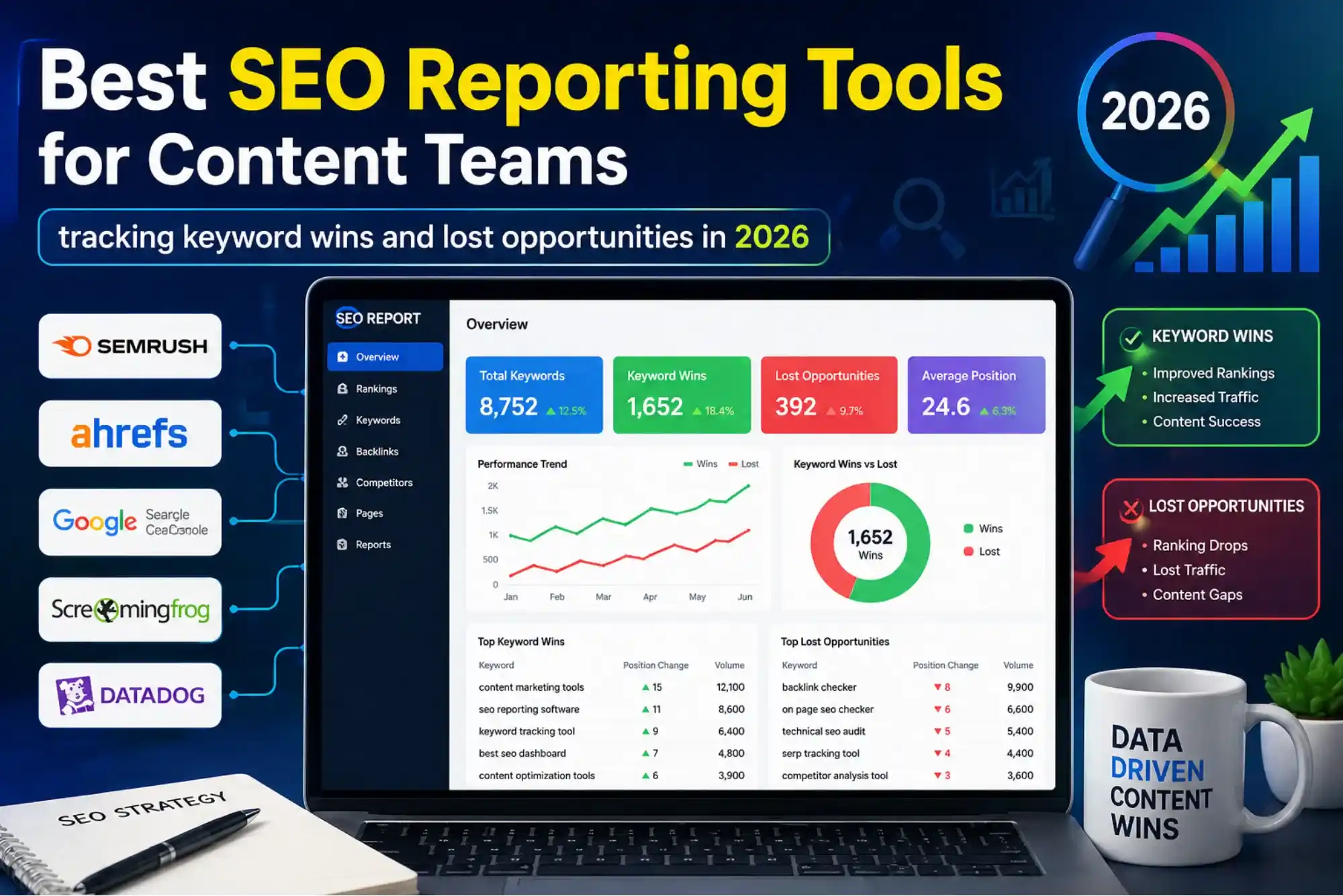
Why SEO Reporting Tools Matter More Than Ever
Search engine algorithms continue to evolve, making it essential for content teams to monitor performance consistently. SEO reporting tools help bridge the gap between content creation and measurable outcomes. Instead of guessing what works, teams can rely on data to guide decisions.
For instance, when analyzing travel-related content such as top holiday destinations in Australia, understanding keyword performance can reveal which locations attract the most organic traffic and which pages need optimization.
Key Benefits of SEO Reporting Tools
These tools provide several advantages:
They highlight keyword gains and losses, helping teams quickly respond to ranking shifts. They also uncover content gaps, showing where new opportunities exist. Most importantly, they offer clear performance reports that stakeholders can easily understand.
Features to Look for in SEO Reporting Tools
Not all tools are created equal. Content teams should prioritize features that align with their goals and workflows.
Accurate Keyword Tracking
Reliable rank tracking is essential. The best tools provide daily updates and location-based tracking to ensure accuracy.
Competitor Insights
Understanding what competitors are ranking for can unlock new opportunities. For example, analyzing similar content like best burger places in Paris can help identify high-performing keywords in the travel niche.
Custom Reporting Dashboards
Custom dashboards allow teams to focus on the metrics that matter most. Whether it’s traffic growth, keyword rankings, or conversion rates, having a centralized view improves decision-making.
Content Performance Analysis
Modern tools evaluate how individual pages perform, offering suggestions for optimization. This is especially useful for evergreen content that requires regular updates.
Top SEO Reporting Tools for Content Teams in 2026
1. Comprehensive All-in-One Platforms
All-in-one SEO platforms remain the backbone of content reporting. These tools combine keyword tracking, backlink analysis, and site audits into a single interface. They are ideal for teams managing multiple content categories and large-scale publishing operations.
For websites covering diverse topics like travel guides and pricing insights, such tools help maintain consistency across content strategies.
2. Advanced Rank Tracking Tools
Dedicated rank tracking tools focus specifically on keyword performance. They provide granular data, including SERP features, local rankings, and historical trends.
For example, tracking keywords related to airline pricing content like airline ticket prices from Canada to India can help identify seasonal trends and optimize accordingly.
3. AI-Powered Content Optimization Tools
Artificial intelligence is reshaping SEO reporting. AI-driven tools analyze search intent, suggest content improvements, and predict ranking opportunities.
These tools are particularly valuable for identifying lost keyword opportunities and recommending actionable fixes.
4. Technical SEO Reporting Tools
Technical SEO tools focus on site health, crawlability, and performance issues. While content is crucial, technical factors still play a significant role in rankings.
Regular audits ensure that pages load quickly, are mobile-friendly, and meet search engine standards.
How to Track Keyword Wins Effectively
Tracking keyword wins isn’t just about seeing rankings improve—it’s about understanding why they improved. Successful content teams analyze multiple factors, including content updates, backlink growth, and user engagement.
Monitor Ranking Trends
Look for consistent upward movement rather than short-term spikes. Sustainable growth indicates strong content performance.
Analyze Traffic Impact
Keyword wins should translate into increased organic traffic. If rankings improve but traffic doesn’t, it may signal issues with search intent alignment.
Evaluate Content Updates
Updating existing content often leads to keyword gains. For instance, refining guides such as places to visit in Thailand can boost rankings and attract new audiences.
Identifying and Recovering Lost Opportunities
Keyword losses are inevitable, but they also present valuable learning opportunities. The key is to identify the cause and take corrective action quickly.
Common أسباب Keyword Drops
Several factors can lead to ranking declines, including increased competition, outdated content, and algorithm updates.
Content Refresh Strategies
Updating outdated information, improving readability, and adding new insights can help regain lost rankings. Regular content audits ensure that pages remain relevant and competitive.
Competitive Gap Analysis
Analyzing competitor content can reveal what they’re doing differently. This insight helps refine your strategy and recover lost ground.
Best Practices for SEO Reporting in Content Teams
Focus on Actionable Metrics
Avoid overwhelming reports with unnecessary data. Focus on metrics that directly impact performance, such as keyword rankings, organic traffic, and conversions.
Align Reports with Business Goals
SEO reporting should support broader business objectives. Whether the goal is traffic growth or lead generation, reports should reflect these priorities.
Maintain Consistent Reporting Cycles
Regular reporting—weekly or monthly—ensures that teams stay informed and can respond quickly to changes.
Encourage Cross-Team Collaboration
SEO is not just a marketing function. Collaboration between content creators, developers, and analysts leads to better results.
The Future of SEO Reporting Tools
Looking ahead, SEO reporting tools will become even more sophisticated. Automation, predictive analytics, and deeper integration with content management systems will streamline workflows.
Content teams will rely on these tools not just for reporting but for strategic planning. The ability to anticipate trends and act proactively will define successful SEO strategies in the coming years.
Conclusion
SEO reporting tools have become indispensable for content teams in 2026. They provide the insights needed to track keyword wins, identify lost opportunities, and continuously improve performance.
By choosing the right tools and adopting best practices, content teams can turn data into a powerful competitive advantage. Whether managing travel guides, pricing content, or niche articles, a data-driven approach ensures long-term success in search rankings.
Related Reading: Best SEO Audit Tools for Content Teams that reveal gaps and easy wins across pages in 2026

