




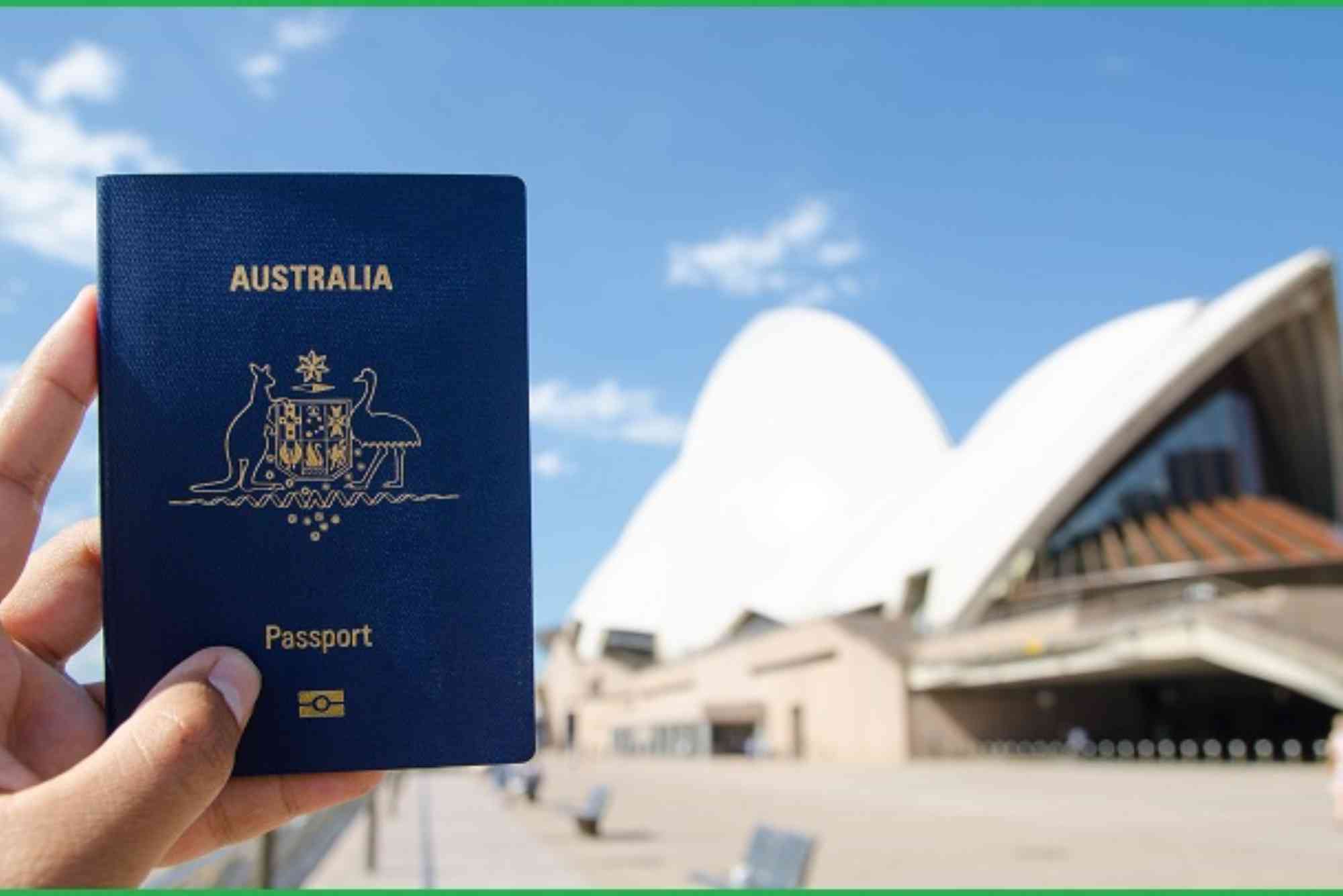
Understanding the Australia visa price in 2026 is essential for anyone planning to travel, study, or work in Australia. Visa costs are not just about a single fee; they include application charges, service costs, and in some cases additional processing or biometric expenses. As global travel rules evolve, Australia has also updated its visa structure, making it important for applicants to stay informed before applying.
Australia remains one of the most sought-after destinations for tourists, students, and skilled professionals. However, the visa pricing system varies depending on the type of visa you choose. Whether you are applying for a tourist visa, ETA (Electronic Travel Authority), student visa, or work visa, each category has its own fee structure and requirements.
Overview of Australia Visa System in 2026
Australia’s immigration system is designed to regulate entry based on purpose and duration of stay. In 2026, the visa framework continues to focus on digital processing and faster approvals through online applications. Most visa categories are now processed through streamlined systems, reducing paperwork and physical visits.
The most common visa types include tourist visas, ETA visas, student visas, work visas, and partner visas. Each of these categories has different pricing depending on the applicant’s nationality, purpose, and length of stay.
The ETA system, for example, is widely used by short-term visitors from eligible countries. It offers a simplified application process and lower fees compared to traditional tourist visas. More details on ETA-specific pricing can be found here:
Australia ETA Visa Price 2026 Guide
Australia Visa Price Table 2026
Below is a simplified breakdown of estimated Australia visa costs in 2026 based on popular categories:
| Visa Type | Estimated Fee (AUD) | Processing Time | Purpose of Visit |
|---|---|---|---|
| Tourist Visa (Subclass 600) | 190 – 195 | 15–30 days | Tourism, family visits |
| ETA Visa (Subclass 601) | 20 – 25 | 1–3 days | Short-term tourism/business |
| Student Visa (Subclass 500) | 710 – 750 | 30–60 days | Study in Australia |
| Work Visa (Temporary Skill) | 1,500 – 4,500 | 1–3 months | Employment in Australia |
| Partner Visa | 8,000 – 9,000 | 6–12 months | Migration through relationship |
These prices may vary depending on policy updates, currency changes, and additional service fees.
Historical Evolution of Australia Visa Pricing
Australia’s visa pricing has changed significantly over the past decade. In earlier years, visa fees were relatively stable, but increasing demand and digital transformation led to gradual increases. Between 2018 and 2022, Australia introduced more structured pricing for digital visas like ETA and eVisitor systems.
By 2023–2024, student and skilled migration visas saw noticeable price increases due to policy adjustments aimed at controlling migration flow and improving processing systems. In 2026, the system has become more refined, with transparent fee structures and faster digital processing.
The introduction of ETA and online visa portals has significantly reduced administrative costs while improving efficiency for applicants worldwide.
Factors Affecting Australia Visa Price in 2026
The cost of an Australian visa is influenced by several important factors. One of the most significant is the visa category itself, as each category has a different purpose and complexity level. Tourist visas are generally cheaper compared to work or partner visas, which require detailed background checks.
Another factor is processing speed. Some applicants choose priority processing, which increases the total cost. Additionally, applicants from different countries may experience slight variations in pricing due to bilateral agreements.
Exchange rates also play a role since most visa fees are charged in Australian dollars. Any fluctuation in global currency values can impact the final cost for international applicants.
ETA Visa: The Cheapest Way to Enter Australia
Among all visa types, the ETA visa remains one of the most affordable and fastest options. It is ideal for tourists and short business visits. The application process is fully online and typically approved within a few hours to a few days.
If you are specifically exploring short-term travel options, the ETA system is often the best choice due to its low cost and simplicity. You can explore more details about eligibility and requirements here:
Australia ETA Visa Detailed Guide
Student Visa Costs in Australia 2026
The Australia student visa is one of the most applied-for visas globally. It allows international students to study at Australian universities and institutions. The cost in 2026 is significantly higher compared to tourist visas due to additional verification and healthcare requirements.
Students must also consider extra expenses such as Overseas Student Health Cover (OSHC), which is mandatory. While the base visa fee is fixed, total expenses can increase depending on course duration and institution requirements.
For a deeper understanding of visa structures in Australia, you can also review:
Australia Visa Pricing Guide
Work Visa Pricing and Skilled Migration Costs
Australia’s work visa system is designed for skilled professionals who want to contribute to the country’s workforce. These visas are more expensive due to detailed eligibility checks, employer sponsorship requirements, and long-term residency pathways.
Work visa applicants often need to pay additional costs such as skills assessment fees, medical checks, and sponsorship charges. However, this visa category provides long-term benefits, including pathways to permanent residency.
Application Process Overview
Applying for an Australia visa in 2026 is mostly done online through official immigration portals. Applicants must fill out forms, upload required documents, and pay the visa fee electronically. The process is designed to be user-friendly, but accuracy is essential to avoid delays or rejections.
Once submitted, applications go through verification stages that may include biometric checks and document validation. Processing times vary depending on visa type and applicant background.
Common Additional Costs
Apart from the main visa fee, applicants should also consider additional expenses. These may include medical examinations, translation of documents, biometrics, and travel insurance. In some cases, applicants may also hire immigration consultants, which adds to the overall cost.
Being aware of these additional expenses helps in better financial planning before applying for an Australian visa.
FAQs About Australia Visa Price 2026
What is the cheapest visa for Australia in 2026?
The ETA visa is the cheapest option, typically costing around 20–25 AUD for eligible travelers.
How much does a tourist visa to Australia cost in 2026?
A standard tourist visa costs approximately 190–195 AUD depending on application type and processing speed.
Is the Australia visa fee refundable?
No, visa fees are generally non-refundable even if the application is rejected.
How long does it take to process an Australia visa?
Processing times vary from 1 day for ETA visas to several months for work or partner visas.
Can visa prices change during the year?
Yes, Australia may update visa fees annually based on policy and economic changes.
The Australia visa price in 2026 reflects a structured and transparent immigration system designed to support tourism, education, and skilled migration. While costs vary depending on visa type, understanding the full breakdown helps applicants plan better and avoid unexpected expenses.
Whether you are applying for a short visit or long-term stay, reviewing updated guides such as Australia visa pricing details and ETA visa breakdowns ensures you stay informed before submitting your application.
Related Reading: Brazil Visa Price in 2026: What You Need to Pay — full guide
Related Reading: Freelance Visa Abu Dhabi Price in 2026: What You Need to Pay — full guide
Related Reading: Eta Canada Visa Price in 2026: What You Need to Pay — full guide

