


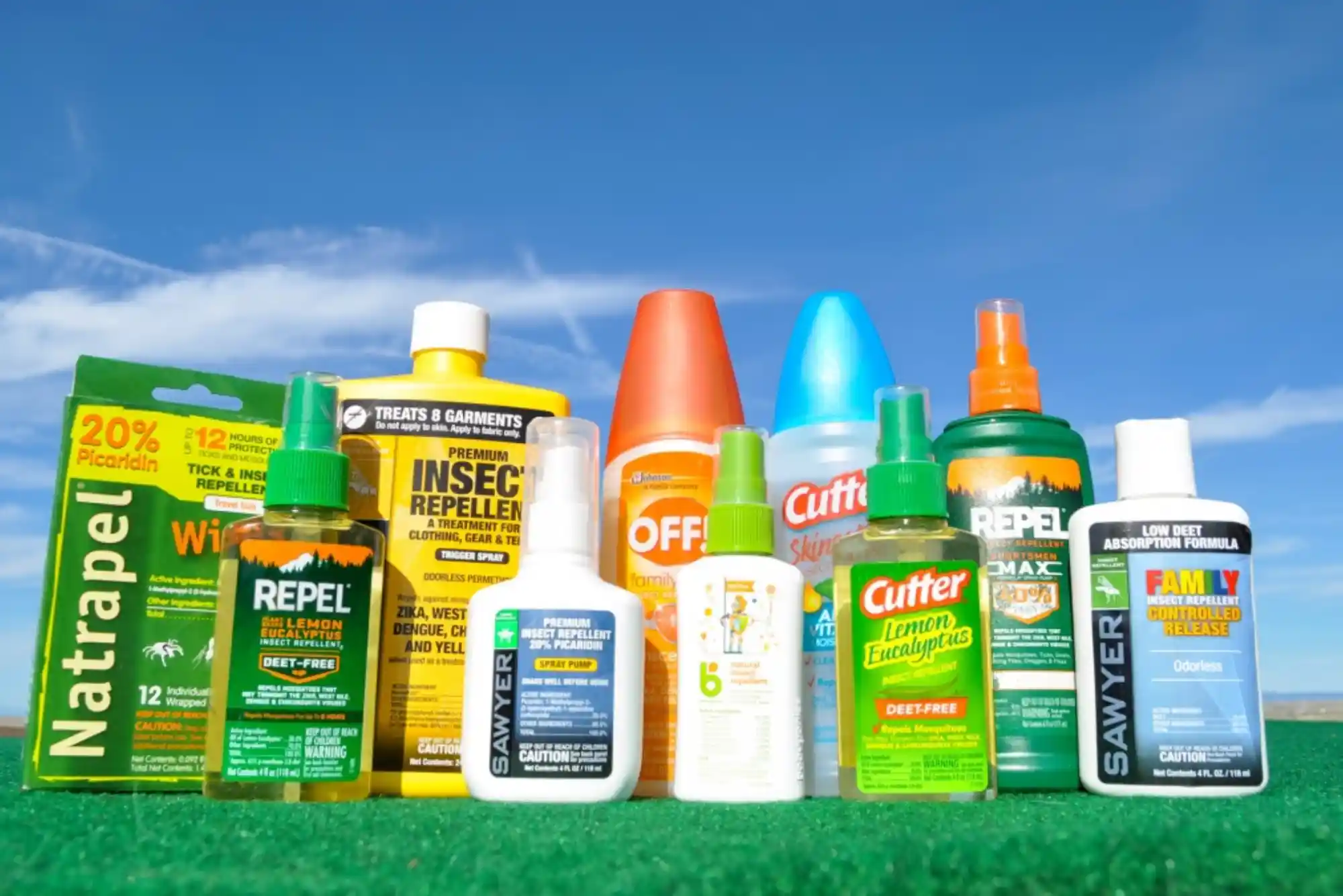




Best Flea & Tick Wipes and Travel Sprays for Camping in Deep Woods
Camping in deep woods can be an unforgettable experience. However, forests also expose people and pets to fleas, ticks, mosquitoes, and other biting pests. Good preparation makes outdoor adventures much more comfortable.
The Best Flea & Tick Wipes and Travel Sprays for Camping in Deep Woods should be convenient, easy to carry, and suitable for the intended use. Wipes can help with quick applications around appropriate areas, while travel sprays can provide practical coverage for clothing, equipment, or other permitted surfaces.
Choosing the right product also means understanding its active ingredients, directions, and limitations. No repellent provides perfect protection. Therefore, campers should combine products with sensible clothing, regular tick checks, and good campsite habits.
Why Flea and Tick Protection Matters in Deep Woods
Wooded environments provide ideal conditions for many small pests. Ticks commonly live around vegetation, leaf litter, grasses, and brush. Fleas can also become a concern when animals are present around campsites.
A bite may cause temporary irritation. More importantly, some ticks can transmit diseases. For that reason, prevention deserves attention before entering heavily wooded areas.
The Best Flea & Tick Wipes and Travel Sprays for Camping in Deep Woods are useful because they can fit easily into camping bags. Their portability makes it easier to reapply products according to the label.

However, protection should not depend on one product alone. Long trousers, closed footwear, socks, and regular inspections can provide another layer of protection.
Wipes vs. Travel Sprays for Camping
Wipes and sprays serve different practical purposes. Understanding the difference can help campers select products more appropriately.
Flea and Tick Wipes
Wipes are convenient when campers want controlled application. They are particularly useful for quick use when carrying liquid bottles is inconvenient.
A wipe can also be easier to handle during short stops. However, users should check whether the product is designed for skin, pets, or surfaces.
Never assume that a product suitable for clothing is suitable for skin. Similarly, a product designed for people should not automatically be used on animals.
Travel Sprays
Travel sprays can provide broader coverage. Depending on the formulation, they may be designed for clothing, gear, skin, or pets.
Their compact size makes them convenient for hiking trips and overnight camping. Nevertheless, campers should follow the product label carefully.
Spraying more product does not necessarily provide better protection. Correct application and reapplication intervals are more important.
How to Choose the Best Flea & Tick Wipes and Travel Sprays for Camping in Deep Woods
Several factors deserve attention before purchasing a product.
Check the Active Ingredients
The active ingredient is one of the most important details. Different ingredients have different uses and safety instructions.
Some repellents are designed primarily for mosquitoes and ticks. Others may be formulated specifically for flea control or animal use.
Read the entire label before purchasing. Also, check whether the product is registered or approved for its intended use in your location.
Consider Skin and Surface Use
Products vary considerably in where they can be applied. Some are intended for human skin. Others are designed for clothing or outdoor equipment.
Pet products have separate safety requirements. A product suitable for dogs may not be safe for cats.
Therefore, never transfer instructions from one product to another. Follow the exact directions provided by the manufacturer.
Look for Convenient Packaging
Camping products need to be easy to transport. Small wipes and compact spray bottles can save valuable space.
Leak-resistant packaging is particularly useful. A leaking bottle can damage clothing, food packaging, or camping equipment.
The following comparison can help clarify which format may suit different camping situations.
| Feature | Wipes | Travel Sprays |
|---|---|---|
| Portability | Very convenient | Convenient |
| Application control | High | Moderate to high |
| Larger-area coverage | Limited | Better |
| Quick application | Excellent | Excellent |
| Storage | Simple | Requires leak protection |
| Best use | Targeted application | Broader coverage |
| Reapplication | Follow label | Follow label |
Using Flea and Tick Products Around Pets
Pets often accompany campers into wooded areas. Dogs can pick up ticks while moving through brush, grass, and leaf litter.
However, pet protection requires additional care. Products made for humans should not automatically be applied to animals.
Veterinary flea and tick products may contain ingredients specifically selected for animals. The correct product can depend on species, age, weight, and health factors.
Check the Product Label First
Before applying anything to a pet, confirm that the label specifically permits animal use.
Pay attention to species restrictions. Products containing certain ingredients can be dangerous to cats and other animals.
If there is any uncertainty, consult a veterinarian before using the product.
Combine Repellents With Tick Checks
Repellents should complement physical checks rather than replace them.
After hiking, inspect your pet carefully. Pay attention to areas around the ears, neck, legs, paws, and between toes.
Removing an attached tick promptly can reduce the opportunity for disease transmission.
How to Use Flea and Tick Wipes Safely
Proper application matters as much as product selection.
First, read the complete directions. Apply only the amount recommended by the manufacturer.
Avoid eyes, mouth, and other sensitive areas unless the label specifically states otherwise. Wash hands after application when required.
Do not use damaged or expired products. Store wipes according to the packaging instructions, particularly during hot camping trips.
If irritation develops, stop using the product and follow appropriate medical or veterinary guidance.
How to Use Travel Sprays During Camping
Travel sprays should also be used according to their specific directions.
When a spray is intended for clothing, apply it as directed rather than spraying it randomly over exposed skin. Allow treated clothing to dry when the label requires it.
Use sprays in well-ventilated outdoor areas. Avoid spraying near food, flames, or sensitive equipment unless the product specifically permits such use.
Reapply only according to the stated interval. Frequent unnecessary application can increase exposure without providing additional benefits.
Other Ways to Reduce Tick Exposure
The Best Flea & Tick Wipes and Travel Sprays for Camping in Deep Woods work better as part of a broader prevention routine.
Wear long pants and tuck them into socks when practical. Light-colored clothing can make crawling ticks easier to notice.
Stay on established trails when possible. Avoid brushing closely against dense vegetation.
After returning to camp, inspect clothing and exposed skin. Showering after outdoor activities can also help remove unattached ticks.
Clothing and camping equipment should receive attention too. Check backpacks, blankets, sleeping bags, and footwear before packing them away.
What Should You Pack for a Deep-Woods Trip?
A well-prepared camping kit can make pest prevention easier. Keep wipes or sprays somewhere accessible rather than buried beneath other equipment.
A small tick-removal tool can also be useful. Campers should know how to remove an attached tick carefully.
Long clothing, suitable footwear, socks, and a basic first-aid kit are also practical additions.
For longer trips, check product quantities before departure. Running out of repellent in an isolated location can make prevention more difficult.
Frequently Asked Questions
What is the most effective way to prevent ticks while camping?
The most effective approach is usually a combination of methods. Use an appropriate repellent, wear protective clothing, avoid dense vegetation, and perform regular tick checks.
No single method guarantees complete protection. Consistency is therefore important during outdoor activities.
Can flea and tick wipes be used on dogs?
Only if the product label specifically states that it is suitable for dogs. Human products should not automatically be used on pets.
Check the permitted species, age restrictions, dosage instructions, and active ingredients before application.
Do flea and tick sprays work in the woods?
Appropriate repellents can reduce exposure to certain biting pests when used correctly. Their effectiveness depends on the product, pest, application, and environmental conditions.
Always follow the label regarding coverage and reapplication.
How often should I reapply tick repellent?
There is no universal reapplication schedule. The correct interval depends on the specific product and its active ingredient.
Follow the manufacturer’s directions rather than applying it more frequently than recommended.
What should I wear to avoid ticks while hiking?
Long trousers, long sleeves, socks, and closed footwear can reduce exposed skin. Tucking trousers into socks can provide additional physical protection.
Light-colored clothing may also make ticks easier to spot.
Should I check my body after camping?
Yes. A tick check is an important part of outdoor prevention. Inspect exposed skin and areas where ticks may hide.
Pay particular attention to the hairline, ears, waist, armpits, groin, and behind the knees.
Final Thoughts on Flea and Tick Protection for Camping
Choosing the Best Flea & Tick Wipes and Travel Sprays for Camping in Deep Woods requires more than selecting the most convenient package. Campers should consider active ingredients, intended use, application instructions, portability, and individual safety requirements.
Wipes can offer convenient targeted application, while sprays may provide broader coverage. Neither should replace protective clothing and regular tick checks.
Before your next deep-woods adventure, read product labels carefully and prepare your pest-protection supplies in advance. A few sensible precautions can make outdoor trips more comfortable and help you focus on enjoying the trail.

