





Introduction
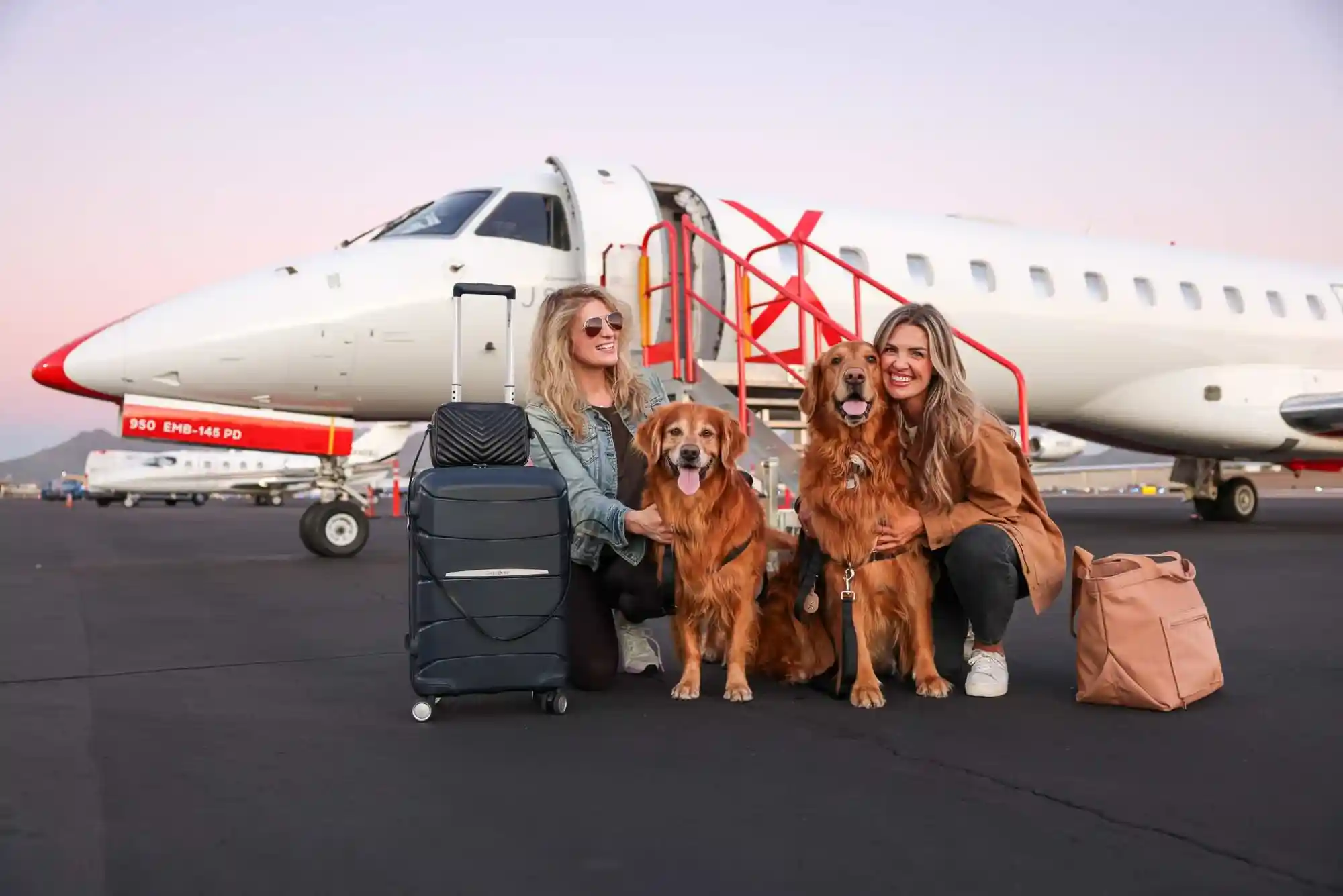
Traveling and exploring the great outdoors with your companion brings immense joy, yet unexpected challenges can arise anywhere. Sharp rocks, hidden thorns, sudden car sickness, and insect stings require immediate attention before they worsen. Knowing how to prepare a pet first aid kit for hiking, road trips, and travel bridges the critical gap between an accident on the trail and professional veterinary care. Having a trusted resource like the American Red Cross Pet First Aid manual provides foundational knowledge to handle emergencies calmly.
Essential Wound Care and Bandaging Supplies
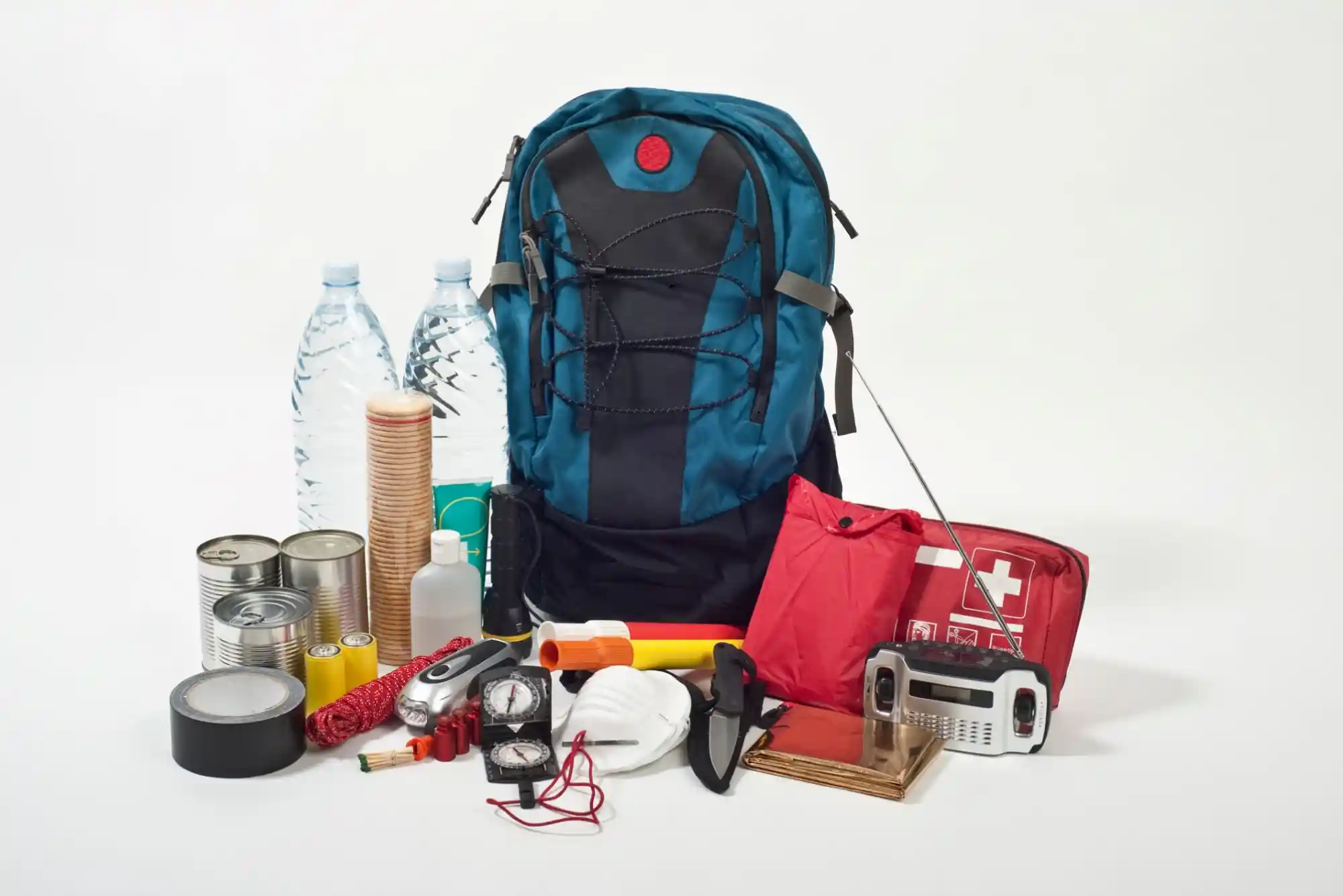
Outdoor injuries frequently involve scraped paws, minor cuts, or snagged fur that demand prompt physical barriers. Sterile gauze pads and rolls help absorb blood and clean debris gently away from delicate tissue. Self-adhering bandage wraps prove vital because they stick firmly to themselves rather than your pet’s fur, ensuring a painless removal process later. Medical tape secures these gauze wraps tightly without restricting the underlying blood circulation of your animal. Antiseptic wipes or mild iodine solutions thoroughly clean cuts to ward off potential bacterial infections. Packing blunt-end scissors lets you cut tape and gauze safely without risking accidental skin nicks during stressful moments.
Specialized Tools for Outdoor Hazards
Different environments present distinct hazards that ordinary human medical supplies fail to address properly. Equipping your travel pack with a dedicated tick removal tool allows you to extract pests entirely without leaving dangerous mouthparts embedded. Precision tweezers help pluck out painful splinters, glass shards, or sharp thorns deeply embedded within sensitive paw pads. A digital thermometer monitors for dangerous body temperature spikes caused by physical exhaustion or heat stroke. An irrigation syringe flushes out dirty wounds or washes grit from sensitive eyes using clean, needleless plastic. Bringing an emergency muzzle keeps everyone safe because pain causes even the friendliest pets to snap defensively.
Medications and Comfort Items
Travel alters routines, which frequently upsets sensitive stomachs or triggers unexpected environmental allergies. Consulting your veterinarian ahead of time allows you to pack targeted remedies safely. Veterinarian-approved antihistamines manage sudden insect stings or mild allergic reactions effectively. Anti-diarrheal tablets settle sudden gastrointestinal flare-ups caused by drinking strange water or eating unfamiliar trail snacks. Hydrocortisone cream relieves intense itching, hot spots, or localized skin rashes caused by contact with irritating plants. A collapsible water bowl prevents dehydration during long excursions by offering fresh water frequently. An emergency thermal blanket combats shock or keeps a chilled, wet pet warm if temperatures drop sharply after sunset.
Documenting Emergency Contacts and Information
Physical supplies mean little if you cannot access professional guidance or identification details during a crisis. Keeping documentation organized inside a waterproof pouch speeds up emergency response times significantly. Include your primary clinic’s phone number alongside numbers for local 24-hour emergency animal hospitals near your travel destination. Note your pet’s current vaccinations, known drug allergies, and daily prescription dosages clearly on a dedicated card. Record your pet’s unique microchip registration number and registry phone line in case they slip away in an unfamiliar area. Verify that your travel collar tags display an active mobile phone number where you can be reached immediately.
Tailoring Your Kit for Hiking Versus Road Trips
Different modes of travel place distinct physical demands on your animal companion. Customizing your pack based on your specific itinerary prevents you from carrying dead weight while ensuring no essential tool stays behind. Hiking setups focus heavily on paw protection, extra water reserves, tick hooks, and Pet First Aid Guide durable bandages for rough terrain. Road trip configurations prioritize motion sickness remedies, secure travel harnesses, spill-proof bowls, and localized cooling mats for stationary vehicles. Backpacking requires a stripped-down mini pouch, whereas car camping or RV travel allows for comprehensive multi-compartment storage bags.

Frequently Asked Questions
What should I do if my dog gets cut on a hiking trail?
Move to a safe spot, muzzle your dog gently if they are in pain, and rinse the wound with clean water. Apply antiseptic, cover it with a sterile gauze pad, and secure it using a self-adhering wrap before heading to a vet.
Can I use human medications for my pet during travel?
Never administer human painkillers like ibuprofen or acetaminophen to pets, as these are highly toxic. Always consult a professional and read a comprehensive before giving any medication.
How often should I check my pet first aid kit?
Inspect your travel kit at least twice a year to replace expired ointments, swap out damaged sterile wraps, and verify your updated emergency phone numbers.
Preparing a complete medical kit is just one part of keeping your animal safe on the move. For more expert destination guides, safety checklists, and outdoor tips, head over to Tourbyroad to plan your next adventure with total peace of mind.
Related Reading: Best Pet Strollers for Small Dogs and Senior Pets for Travel & Urban Walks
Related Reading: Best Portable Dog Water Bottles and Collapsible Bowls for Hiking

