




Introduction
Flying with a pet can feel overwhelming for even the most seasoned cat owners. Unlike dogs, felines thrive on routine and familiar territory. Changing environments trigger immediate stress responses that require careful planning. When you need to master How to Fly with a Cat: Litter Solutions, Sedatives, and Airport Security, preparation makes all the difference. This comprehensive guide walks you through every step of the journey. From booking tickets to navigating the terminal, you will learn how to keep your cat calm and secure.
Understanding Airline Policies and Pre-Travel Preparation
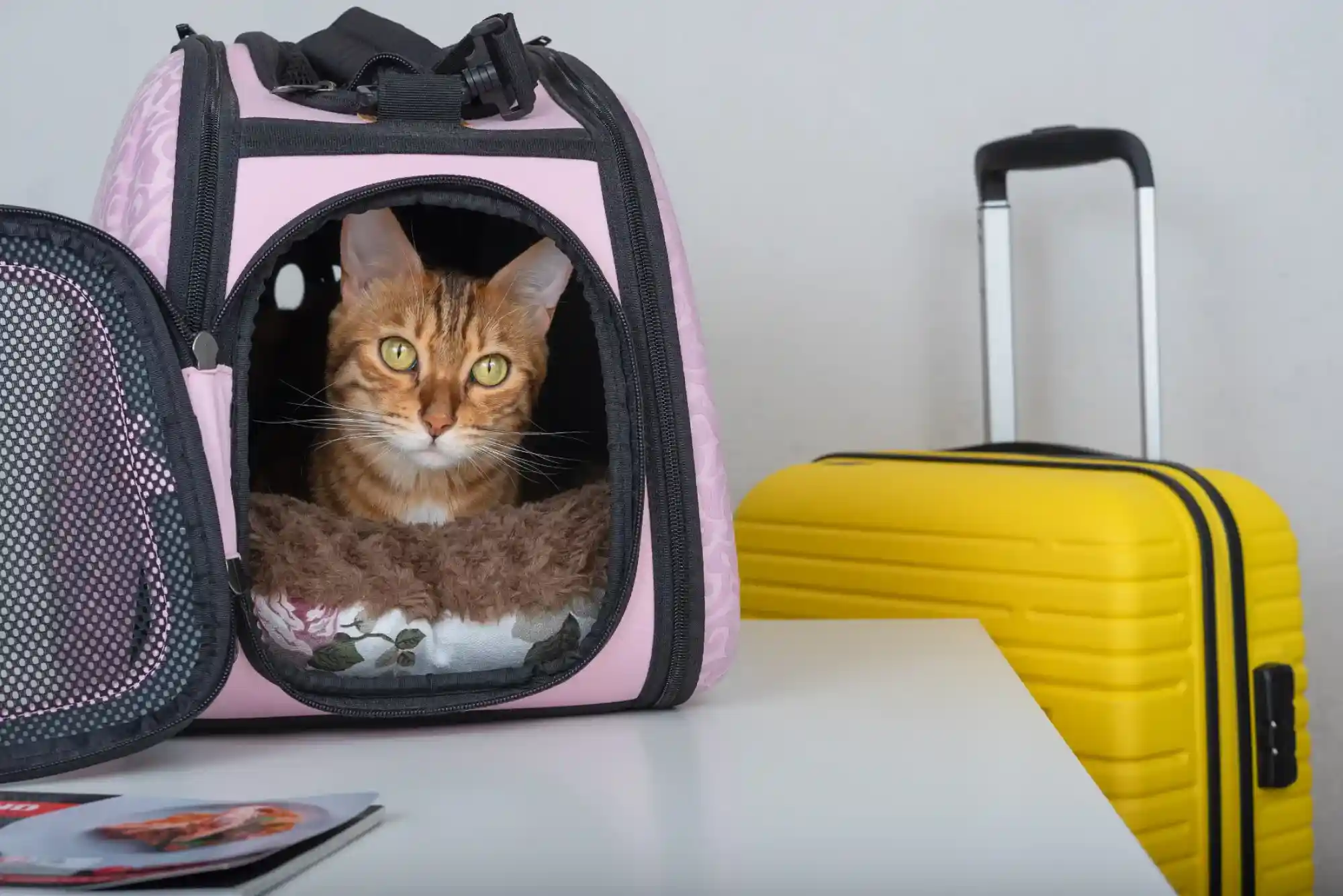
Before booking any flight, you must understand your specific airline’s pet policies. Most commercial airlines allow small cats in the cabin if they fit inside an approved carrier. This carrier must slide easily beneath the seat in front of you. Always reserve your pet spot early because airlines limit the number of animals per flight.
A successful trip starts weeks before your departure date. Leave your cat’s carrier out in the living room with the door open. Toss treats inside so your cat associates the space with safety and positive rewards. For a deeper dive into preparation strategies, check out this guide on Flying With Cats.
Take your cat on short car rides in the carrier to build tolerance for motion. Ensure your cat wears a secure collar with updated identification tags. Microchipping offers an extra layer of security in case your cat escapes during transit. Schedule a pre-trip veterinary checkup to confirm your pet is healthy enough for air travel. Ask your vet for a health certificate if your destination or airline requires one.
Navigating Airport Security With Your Cat
Airport security checkpoints present one of the most challenging moments of your journey. You cannot send your cat through the X-ray machine inside the carrier. TSA agents require you to remove your cat from its carrier while the bag goes through the scanner. This process terrifies many cats because of loud noises and bustling crowds.
According to official TSA Pet Screening Guidelines, you must hold your cat securely in your arms as you walk through the metal detector. Alternatively, you can request a private screening room to prevent your cat from bolting into the terminal. Ask the agent for a leash check if your cat wears a secure harness.

Never take your cat out of the carrier without a harness and leash attached. A frightened cat can easily slip away and get lost in a massive airport. Pack a few disposable wet wipes in your carry-on bag for quick cleanups. Security trays get dirty, and accidents happen when anxiety peaks. Keep treats handy to reward your cat immediately after the screening process ends.
Managing Litter Box Needs During Transit
Litter box logistics cause major anxiety for cat owners embarking on long journeys. Cats rarely use a litter box while traveling due to high stress levels. Their bodies naturally slow down digestion and elimination during stressful events. However, you still need a solid plan for layovers and arrival.
Bring a lightweight, collapsible travel litter box tucked inside your carry-on luggage. Pack a small ziplock bag filled with your cat’s regular litter. Disposable pee pads work wonders inside the carrier during the flight. If an accident happens, the pad absorbs moisture and protects your cat’s bedding.
During long layovers, locate the designated pet relief areas inside the airport terminal. Most modern airports feature indoor pet relief stations equipped with artificial turf and disposal bags. Take your cat into a quiet family restroom or pet relief room if you need privacy. Set up the portable litter box on the floor and give your cat ten minutes to try. Do not force the issue if your cat refuses to eliminate in public. Most cats will happily wait until you reach your final hotel room or destination.
The Truth About Sedatives and Anxiety Medications
Many owners assume sedating their cat is the best way to ensure a quiet flight. However, major veterinary organizations strongly discourage using sedatives for air travel. Sedation affects a cat’s ability to regulate body temperature and blood pressure at high altitudes. Respiratory issues can also arise when sedated cats face cabin pressure changes.
Instead of heavy sedatives, consult your veterinarian about mild, non-drowsy anti-anxiety medications. Supplements like gabapentin help take the edge off anxiety without knocking your cat out. Always test any prescribed medication at home a week before your flight. This trial run helps you observe potential side effects and allergic reactions safely.
Natural calming products also offer great alternatives for mild travel anxiety. Pheromone sprays like Feliway mimic facial pheromones to create a sense of familiarity and safety. Spray the inside of the carrier at least fifteen minutes before loading your cat. Combine these sprays with a worn t-shirt that smells like you for extra comfort. Familiar scents reassure your cat that trusted humans remain close by.
In-Flight Care and Arrival at Your Destination
Once you board the plane, slide the carrier completely beneath the seat ahead. Resist the urge to pull your cat out during the flight, no matter how much they meow. Opening the carrier door mid-flight creates an escape risk inside a confined cabin. You can slip your hand into the carrier to offer gentle head scratches and reassurance.
Monitor the cabin temperature to ensure your pet stays comfortable throughout the journey. Aircraft cabins can fluctuate between chilly and warm depending on the flight phase. Upon landing, proceed directly to baggage claim and exit the airport promptly. Head straight to your hotel or home so your cat can decompress.
Set up a quiet, enclosed room with food, water, and a proper litter box immediately. Allow your cat to explore the room at their own pace without interference. Check out resources on Tourbyroad for more travel tips and destination guides. Give your feline companion plenty of quiet time and affection to help them recover. Travel takes a massive toll on energy levels, so expect your cat to sleep for hours.
Frequently Asked Questions About Flying With Cats
Can I bring my cat in the cabin with me?
Most major airlines permit small cats in the cabin for a standard pet fee. The cat must remain inside an approved carrier that fits beneath the seat.
Do I need a health certificate to fly with my cat?
Domestic flights within the United States rarely require health certificates from veterinarians. International flights and certain destination states always require official health and vaccination documentation.
What should I do if my cat meows the entire flight?
Talk softly to your cat through the carrier mesh to provide verbal comfort. Avoid opening the carrier door, and focus on keeping your hands calm and steady.
Can my cat eat or drink during the flight?
Offer small amounts of water during layovers rather than mid-flight. Avoid feeding heavy meals right before travel to prevent motion sickness and vomiting.
How do I get my cat through airport security safely?
Remove your cat from the carrier while holding them securely against your chest. Request a private screening room if you worry your cat might panic in public.
Conclusion
Mastering air travel with your feline friend requires patience, empathy, and meticulous preparation. By prioritizing your cat’s safety over convenience, you transform a stressful ordeal into a manageable trip. Focus on positive carrier training, ditch heavy sedatives, and follow security guidelines carefully. Ready to plan your next getaway with your furry companion? Book your pet reservation with your airline today and start packing your travel essentials for a smooth journey.
Related Reading: Flying with a Dog in Cabin: Airline Weight Limits, Pet Crates, and Rules — full guide

