





Italy Inclusive Fashion: Brands and Streets
Italy inclusive fashion: brands and streets is no longer a niche idea. It is a visible movement shaping how style is designed, worn, and experienced. From luxury houses to independent designers, Italy is blending elegance with inclusivity. This shift is not only happening on runways. It is alive in city streets, local ateliers, and everyday wardrobes.
In this guide, you will explore how Italy inclusive fashion: brands and streets reflects real people. You will learn how body diversity, gender fluidity, disability access, and cultural identity are becoming part of Italian style. Most importantly, you will understand why this movement matters now.
Understanding Italy Inclusive Fashion: Brands and Streets
Italy has always been a global fashion leader. Today, it is also becoming a leader in inclusion. Italy inclusive fashion: brands and streets focuses on clothing that respects different bodies, identities, and lifestyles.
This approach values comfort, representation, and dignity. It challenges old beauty standards without losing Italian craftsmanship. As a result, fashion feels more human and more wearable.
What Inclusive Fashion Means in the Italian Context
Inclusive fashion in Italy goes beyond extended sizing. It includes adaptive clothing, gender-neutral design, and culturally respectful styles. Italian designers often balance tradition with modern values.
Tailoring remains precise. Fabrics stay luxurious. However, designs now consider mobility, sensory comfort, and self-expression. This combination makes Italy inclusive fashion: brands and streets unique.
Why Italy Is Embracing Inclusivity Now
Social awareness has grown across Europe. Consumers want authenticity and ethics. Italian brands are responding to these expectations.
Younger designers also play a role. Many studied abroad and returned with inclusive ideas. They now influence both high fashion and street style. This cultural exchange fuels Italy inclusive fashion: brands and streets.
Inclusive Fashion Brands Leading Change in Italy
Italian fashion brands are redefining inclusivity from within. Some luxury names are adapting. Independent labels often lead faster. Together, they shape a broader movement.
Luxury Brands and Inclusive Design Shifts
Luxury fashion once focused on exclusivity. Today, many Italian luxury brands rethink this idea. They introduce wider size ranges and diverse models.
Runway casting now includes different ages and body types. Campaigns feel more relatable. These changes strengthen Italy inclusive fashion: brands and streets at a global level.
Independent Italian Labels Driving Real Inclusion
Smaller brands often innovate first. Many focus on adaptive clothing or gender-neutral collections. They work closely with their communities.
Because they listen directly to customers, their designs solve real problems. This practical approach gives Italy inclusive fashion: brands and streets credibility.
Adaptive Fashion and Accessibility Innovations
Adaptive fashion is growing in Italy. Designers create garments for people with limited mobility or sensory needs. Magnetic closures and adjustable fits are common features.
These designs do not sacrifice style. They maintain Italian aesthetics while improving daily life. This balance is central to Italy inclusive fashion: brands and streets.
Italy Inclusive Fashion: Brands and Streets in Real Life
Inclusive fashion becomes meaningful when people wear it daily. Italian streets show how theory turns into practice.
Milan Streets as a Living Fashion Lab
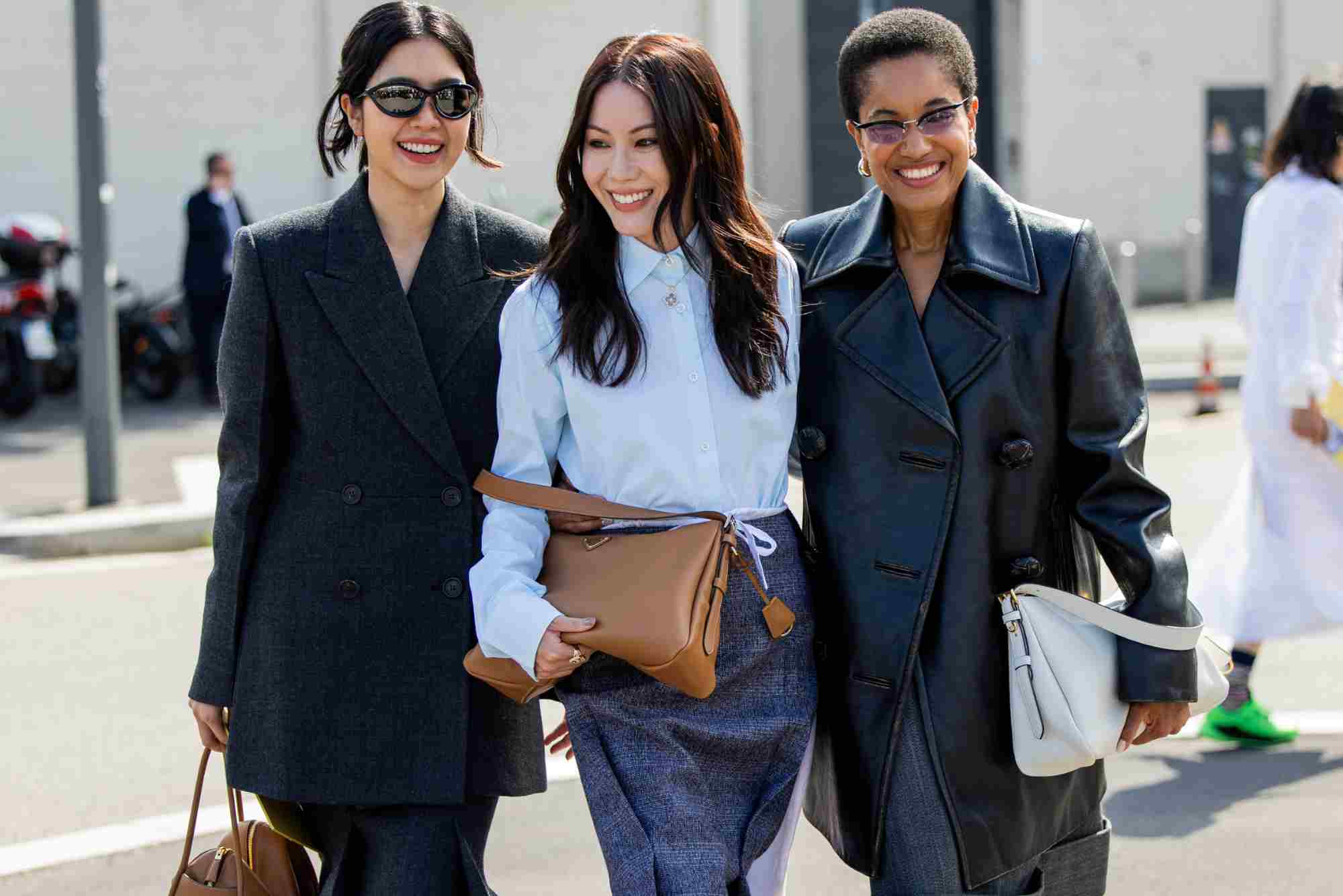
Milan is more than a fashion capital. It is a testing ground. Street style here reflects diversity and experimentation.
You will see oversized silhouettes, adaptive footwear, and gender-fluid outfits. Locals mix high fashion with comfort. This everyday creativity defines Italy inclusive fashion: brands and streets.
Rome and Cultural Expression Through Clothing
Rome’s fashion feels personal and expressive. Clothing often reflects heritage and individuality. Inclusive fashion here embraces cultural identity.
Traditional garments blend with modern cuts. This fusion allows people to express pride and belonging. It strengthens Italy inclusive fashion: brands and streets through storytelling.
Naples and Southern Italy Street Style Inclusion
Southern Italy adds warmth and realism. Street fashion here values comfort and practicality. Inclusive fashion fits naturally into daily routines.
Loose tailoring and breathable fabrics dominate. These choices support diverse bodies and climates. They show how Italy inclusive fashion: brands and streets adapts regionally.
Gender Inclusivity in Italian Fashion Culture
Gender norms in fashion are changing. Italy is part of this evolution. Designers and consumers embrace fluid expression.
Gender-Neutral Collections and Public Acceptance
Many Italian brands now release gender-neutral lines. These collections focus on shape and fabric rather than labels.
Public acceptance is growing, especially in cities. Younger generations lead this shift. Their confidence pushes Italy inclusive fashion: brands and streets forward.
Street Fashion as a Space for Identity
Italian streets act as safe spaces for expression. People experiment with color, fit, and styling.
This visibility normalizes diversity. It shows that inclusive fashion is not theoretical. It is lived daily through Italy inclusive fashion: brands and streets.
Body Positivity and Size Inclusivity in Italy
Body image conversations are evolving in Italy. Fashion plays a key role in this change.
Expanding Size Representation in Italian Fashion
More brands now offer extended sizes. This change reflects real bodies rather than idealized forms.
Campaigns feature models of different shapes. This representation builds trust. It also reinforces Italy inclusive fashion: brands and streets as people-centered.
Street Style Confidence and Everyday Wear
On Italian streets, confidence matters more than size. People style outfits to suit their lives.
This authenticity inspires others. It proves that inclusive fashion works best when it feels natural. Italy inclusive fashion: brands and streets thrives on this reality.
Cultural Diversity and Ethical Inclusion
Italy is culturally diverse. Inclusive fashion respects this diversity through thoughtful design.
Multicultural Influences in Italian Fashion
Designers draw inspiration from global cultures. They collaborate respectfully and avoid stereotypes.
This approach enriches Italian fashion. It also aligns with ethical values. Such practices strengthen Italy inclusive fashion: brands and streets.
Sustainability and Inclusion Connection
Inclusive fashion often overlaps with sustainability. Small-batch production and ethical sourcing are common.
These practices support workers and consumers alike. They add depth to Italy inclusive fashion: brands and streets beyond aesthetics.
Challenges Facing Inclusive Fashion in Italy
Progress exists, but challenges remain. Understanding them helps the movement grow.
Traditional Beauty Standards and Resistance
Some parts of the industry resist change. Traditional ideals still influence marketing.
However, consumer demand pushes back. Over time, inclusivity gains ground within Italy inclusive fashion: brands and streets.
Accessibility and Price Barriers
Inclusive fashion can be expensive. This limits access for some people.
Designers are exploring solutions. Local production and direct sales help reduce costs. These efforts support wider adoption of Italy inclusive fashion: brands and streets.
The Future of Italy Inclusive Fashion: Brands and Streets
The future looks promising. Inclusion is becoming a core value, not a trend.
Technology and Customization
Technology allows customization and better fit. Italian brands use digital tools to serve diverse needs.
This innovation enhances inclusivity. It makes Italy inclusive fashion: brands and streets more responsive.
Community-Led Fashion Movements
Communities influence design more than ever. Feedback shapes collections.
This collaboration ensures relevance. It keeps Italy inclusive fashion: brands and streets grounded in real experience.
Frequently Asked Questions About Italy Inclusive Fashion
What is inclusive fashion in Italy?
Inclusive fashion in Italy focuses on designing clothing for diverse bodies and identities. It values accessibility, comfort, and representation while preserving Italian craftsmanship.
Are Italian fashion brands size-inclusive?
Many Italian brands now expand size ranges. Independent labels lead this change, while luxury brands gradually follow.
Which Italian cities lead inclusive street fashion?
Milan, Rome, and Naples stand out. Each city expresses inclusivity differently through street style and local culture.
Does inclusive fashion in Italy include adaptive clothing?
Yes, adaptive clothing is growing. Designers create stylish garments for people with mobility or sensory needs.
Is gender-neutral fashion accepted in Italy?
Acceptance is increasing, especially among younger generations. Urban areas show strong support through street fashion.
Why Italy Inclusive Fashion Matters
Italy inclusive fashion: brands and streets shows how style can respect humanity. It blends beauty with responsibility. It listens to real lives and real needs.
This movement proves that fashion can be elegant and inclusive. It can honor tradition while welcoming change. As consumers, your choices matter.
