







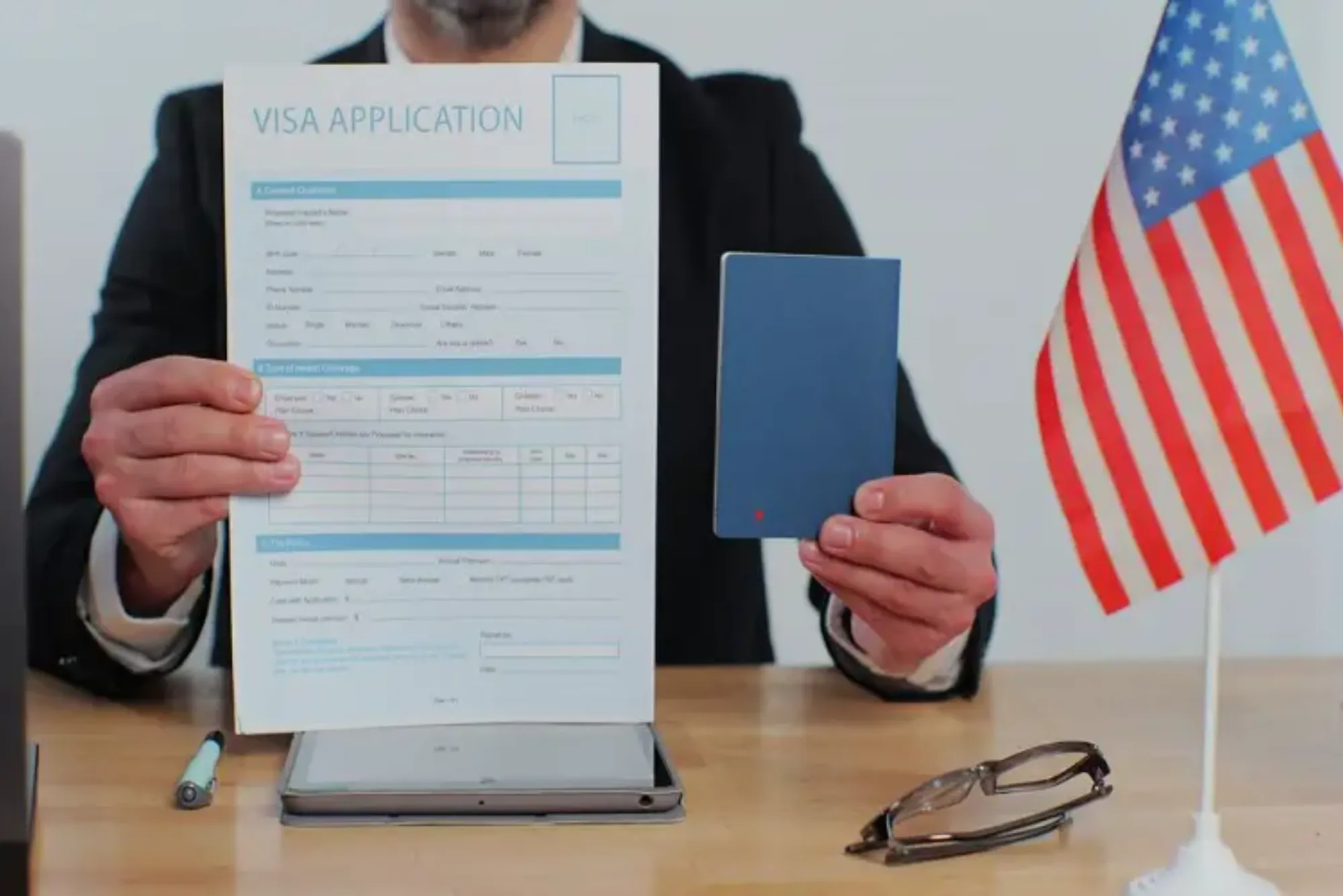
Planning a trip to the United States involves more than booking flights and hotels — understanding the full cost of your visa application is one of the most important steps in the process. The price of a visa to America varies depending on the type of visa you need, your nationality, and the additional services involved in the application process. In 2026, US visa fees remain among the most structured and transparently published of any major destination, but the total cost is often higher than many applicants expect once all components are factored in.
This guide breaks down every fee category you need to know — from the base application charge to optional priority processing and additional service costs — so you can budget accurately before you begin your application.
Quick Answer: How Much Does a US Visa Cost in 2026?
The non-immigrant visa application fee (MRV fee) for most visitor and tourist visas to the United States is $185 USD as of 2026. Work visas, petition-based visas, and immigrant visas carry different fees, often ranging from $205 to $325 or more. This base fee is non-refundable and does not guarantee visa approval. Additional costs for biometrics, visa services, and medical examinations apply in certain cases and can increase the total significantly.
Types of US Visas and Their Base Application Fees
The United States issues a wide range of visa categories, each with its own fee structure. Understanding which category applies to your travel purpose is the first step in calculating your total cost.
| Visa Type | Category | Base MRV Fee (USD) | Common Applicants |
|---|---|---|---|
| B-1 / B-2 | Tourist / Business Visitor | $185 | Tourists, business travelers, medical visitors |
| F-1 / M-1 | Student Visa | $185 | International students, vocational students |
| J-1 | Exchange Visitor | $185 | Exchange program participants, researchers |
| H, L, O, P, Q | Work / Employment Visas | $205 | Skilled workers, intracompany transferees, artists |
| E Visas | Treaty Trader / Investor | $205 | Investors, treaty traders |
| K-1 / K-3 | Fiancé / Spouse of US Citizen | $265 | Fiancés and spouses of US citizens |
| Immigrant Visas (IR, F categories) | Permanent Residency | $325 | Family-sponsored immigrants |
| Diversity Visa (DV) | Lottery-based Immigrant Visa | $330 | Diversity Visa lottery winners |
These base MRV fees are set by the US Department of State and are paid before scheduling your visa interview. They are non-refundable even if your application is denied or if you fail to attend your interview appointment.
Full Breakdown of US Visa Costs Beyond the Application Fee
The MRV application fee is the most well-known charge, but it is rarely the only cost involved in obtaining a US visa. Depending on your visa category and circumstances, additional fees apply at various stages of the process.

SEVIS Fee (for Student and Exchange Visitor Visas)
Applicants for F-1, M-1, and J-1 visas must pay the SEVIS (Student and Exchange Visitor Information System) fee before attending their visa interview. This fee is separate from the MRV fee and is paid to the US Department of Homeland Security. The SEVIS fee for F-1 and M-1 visa applicants is $350 USD. For J-1 exchange visitors, it is $220 USD. This fee must be paid and the receipt brought to the interview appointment.
Visa Issuance Reciprocity Fee
Citizens of certain countries are charged an additional reciprocity fee after their visa is approved. This fee is based on what the US charges comparable to what the applicant’s home country charges American citizens for the same visa category. The amount varies by nationality and visa type and can range from a few dollars to several hundred dollars in some cases. Applicants should check the reciprocity fee schedule on the US Department of State website for their specific country before finalizing their budget.
Biometrics Fee
Biometric data collection — fingerprints and photographs — is required for most US visa applicants. In many countries, this is handled at the visa application center and involves a separate service charge. The biometrics component is typically bundled into the visa application center fee rather than charged as a standalone item, but it does contribute to the overall cost of the application process.
Visa Application Center Service Fee
In many countries, applicants must process their application through an authorized Visa Application Center (VAC) — typically operated by third-party providers contracted by the US Embassy. These centers charge a service fee for document submission, biometric collection, and courier services. Service fees vary by country and service provider but generally range from $20 to $60 USD equivalent, depending on the services selected.
Medical Examination Fee
Immigrant visa applicants and certain non-immigrant visa categories require a medical examination conducted by a US Embassy-approved physician. This examination includes a physical check, review of vaccination records, and required vaccinations where gaps exist. Medical examination fees are not set by the US government and vary by country and designated physician. In most markets, the cost ranges from $150 to $400 USD depending on location, the thoroughness of the examination, and the vaccinations required.
Premium or Priority Processing Fee
For certain employment-based and petition-based visas, USCIS offers premium processing — a service that guarantees a decision within 15 business days. The premium processing fee is $2,805 USD as of 2026 and is paid to USCIS in addition to the standard petition fee. Not all visa categories are eligible for premium processing; it applies primarily to H, L, O, P, R, and some E visa petitions filed by employers.
Total Estimated Cost of a US Visa Application by Category
The table below gives a realistic estimate of the total cost range applicants can expect to pay across the most common visa categories, combining all relevant fee components. These are estimates based on typical market conditions and should be verified against current fee schedules before applying.
| Visa Category | MRV Fee | SEVIS Fee | Service / Biometrics | Medical (if required) | Estimated Total Range |
|---|---|---|---|---|---|
| B-1 / B-2 Tourist | $185 | Not applicable | $20 – $60 | Not required | $205 – $245 |
| F-1 Student | $185 | $350 | $20 – $60 | Not required | $555 – $595 |
| J-1 Exchange | $185 | $220 | $20 – $60 | Not required | $425 – $465 |
| H-1B Work Visa | $205 | Not applicable | $20 – $60 | Not required | $225 – $265 (plus employer petition fees) |
| Immigrant Visa (IR) | $325 | Not applicable | $20 – $60 | $150 – $400 | $495 – $785 |
These figures do not include reciprocity fees, which vary by nationality, or any professional visa consulting fees if you choose to use a third-party service to assist with your application. Always verify current fees directly through official US Embassy or Department of State channels before submitting payment.
How to Pay US Visa Fees
Payment methods vary by country. In most markets, the MRV fee can be paid through the official US visa appointment portal in local currency at the prevailing exchange rate, via bank transfer, or at designated bank branches that partner with the US Embassy. Some countries also accept credit card payments through the online portal. The SEVIS fee is paid separately online at the FMJfee.com website before the interview and can typically be paid by credit card or electronic bank transfer.
It is critical to keep all payment receipts. You will need to present your MRV fee receipt and SEVIS fee receipt at your visa interview. Arriving without these documents will result in your interview being rescheduled.
For travelers departing from international hubs, understanding the full cost of travel — including visas, flights, and accommodation — is essential to accurate trip budgeting. Detailed airline pricing information, such as airline ticket prices from Dubai to other destinations, gives travelers a useful reference point for the flight cost component of an international trip to the US.
Are US Visa Fees Refundable?
No. US visa application fees are non-refundable under all circumstances. This applies to the MRV fee, the SEVIS fee, and the reciprocity fee. Refunds are not issued if your visa is denied, if you choose to withdraw your application, or if you miss your interview appointment. The only recognized exception is if you were charged incorrectly — for example, if you paid the wrong fee amount — in which case you must contact the relevant visa application center or embassy directly to resolve the discrepancy.
This non-refundable policy makes it especially important to prepare your application carefully before submitting payment. Ensuring your documents are complete, your travel purpose is clearly documented, and your eligibility for the visa category you are applying for is well-supported all help improve the chances of a successful outcome on the first attempt.
Visa Waiver Program: When You May Not Need to Pay at All
Citizens of 42 countries are currently eligible for the US Visa Waiver Program (VWP), which allows travel to the United States for tourism or business for up to 90 days without obtaining a traditional visa. VWP travelers must instead apply for ESTA (Electronic System for Travel Authorization), which costs $21 USD per application — significantly less than a standard visa.
ESTA is processed entirely online and is typically approved within minutes to a few days. It is valid for two years or until the passport expires, whichever comes first, and allows multiple entries to the United States during that period. Travelers who hold passports from VWP-eligible countries should always check their ESTA eligibility before paying a full visa application fee, as it represents a considerably more affordable and faster route for qualifying travelers.
VWP-eligible countries include most of Western Europe, Japan, South Korea, Australia, New Zealand, and several others. Citizens of countries in the Middle East, South Asia, Africa, and most of Latin America are not currently eligible and must apply for a standard visa. According to, the Department of State publishes current fee schedules and reciprocity tables which should be consulted directly before submitting any payment.
Tips for Managing the Total Cost of Your US Visa Application
Check reciprocity fees early: These can add significant cost for certain nationalities and are often overlooked until after the interview.
Pay SEVIS before scheduling your interview: You cannot book your interview slot in some countries without SEVIS payment confirmation.
Budget for medical if applying for an immigrant visa: The medical examination fee is one of the most variable costs in the process.
Use official payment channels only: Third-party payment services not endorsed by the US Embassy can result in rejected payments or fraudulent charges.
Apply well in advance: Interview wait times vary significantly by country and can be several months long at peak periods. Booking early avoids the need for expensive last-minute processing alternatives.
Travelers who are also planning the wider logistics of their US trip — including where to stay once they arrive — will find that budgeting for accommodation alongside visa costs provides a clearer picture of total trip expenses. Resources like detailed hotel pricing guides for US destinations offer useful benchmarks for the accommodation portion of trip planning.
Frequently Asked Questions
What is the current price of a tourist visa to America in 2026?
The base application fee for a B-1/B-2 US tourist visa is $185 USD. When combined with visa application center service fees, the total cost for most applicants falls between $205 and $245 USD, not including any reciprocity fee that may apply based on your nationality.
Can I get a refund if my US visa application is denied?
No. US visa application fees are non-refundable under all circumstances, including denial, withdrawal, or missed interview appointments. This policy applies to the MRV fee, SEVIS fee, and any reciprocity fee paid.
Is the ESTA fee the same as a visa fee?
No. ESTA is a travel authorization for citizens of Visa Waiver Program countries and costs $21 USD — significantly less than a standard visa application fee of $185 or more. ESTA is not a visa; it is a pre-travel screening requirement for eligible nationalities.
Do children need to pay the full visa fee?
Yes. Each applicant, including minors, must pay the full MRV fee regardless of age. There are no reduced fees for children applying for US non-immigrant visas. For immigrant visas, the fee structure varies by visa category rather than by age.
Where can I verify the current US visa fee for my country?
The most reliable and up-to-date source is the official US Department of State website, which publishes fee schedules, reciprocity tables by country, and SEVIS fee information. Your local US Embassy or Consulate website will also confirm the current MRV fee and accepted payment methods for your region.
The price of a visa to America in 2026 is not a single fixed number — it is a combination of several fee components that vary depending on your visa type, nationality, and personal circumstances. For the most common category, the B-1/B-2 tourist visa, most applicants will pay between $205 and $245 USD in total.
Student and exchange visitor visas cost more when the SEVIS fee is included, while immigrant visa applicants face the highest total costs once medical examinations and reciprocity fees are factored in. Understanding each component before you apply allows you to budget accurately, avoid surprises, and approach the process with the preparation it deserves. Always verify current fees through official US Department of State sources before making any payment.
Related Reading: US Visiting Visa Price in 2026: Visa Charges and Fee Guide
Related Reading: American Student Visa Price in 2026: Visa Charges and Fee Guide

