





Introduction
Planning a long drive is exciting, but making the wrong stops can turn a fun adventure into an expensive and time-consuming detour. Choosing smart road-trip pit stops can help you save fuel, cut costs, and stay on schedule. Whether you are heading out with friends, traveling solo, or taking a family vacation, understanding how to optimize your stops can make your journey smoother. In this guide, you will learn how road-trip pit stops can actually help you save time and money while keeping the experience enjoyable and stress-free. These tips are based on real travel experience, industry insights, and practical strategies that everyday travelers use. If you love exploring new routes and discovering hidden gems, you can also visit Tour by Road for even more travel ideas and inspiration.
Why Smart Road-Trip Pit Stops Matter
Making strategic pit stops helps prevent fatigue, reduces wasted fuel, and stops unnecessary spending. Many travelers fail to plan their stops and end up paying higher prices for food, fuel, and rest areas. When you organize your stops with intention, you avoid last-minute decisions, which are often more expensive. Moreover, smart pit stops keep you refreshed, ensuring safer driving and a better overall experience. Planning ahead also helps maximize time efficiency, especially when traveling long distances.
How to Choose Road-Trip Pit Stops That Save Time and Money
Choosing the right stops involves combining planning with flexibility. While you should research ahead, staying open to minor route adjustments can help you find better options along the way. The key is balancing safety, convenience, and cost-effectiveness.
Check Fuel Prices Before Leaving
Fuel is often the biggest expense on any road trip, so knowing where to stop can lead to major savings. Apps like GasBuddy or local price trackers show real-time fuel prices. By choosing cheaper stations slightly outside major cities or highway rest areas, you can save a surprising amount over the course of a long drive. Avoid filling up at the first station you see after a long stretch of highway, as these are usually the most expensive.
Look for Multi-Purpose Stops
When you combine fuel, restrooms, food, and stretching into one stop, you reduce unnecessary delays. Multi-purpose stops help you save time and avoid multiple detours. Look for places with clean facilities, shaded parking, safe surroundings, and food options that are not overpriced. Staying efficient with your stops means more time enjoying your destination.
Choose Local Grocery Stores Instead of Restaurants
Many travelers overspend because they rely too heavily on fast-food chains. Grocery stores often offer healthier options at a fraction of the cost. Fresh fruit, snacks, ready-to-eat meals, and bottled drinks are much cheaper than restaurant meals. These stops also tend to be less crowded, saving even more time.
Use Rest Areas for Breaks
Highway rest areas are designed for convenience. They offer clean restrooms, shaded areas, and space to stretch your legs without spending money. While they may not offer food or fuel, they are perfect for quick, free breaks, especially during long drives. Resting at safe, well-lit locations is always a priority.
Avoid Peak Traffic Stops
Stopping during rush hour wastes time, fuel, and energy. Try to schedule breaks during off-peak times. For example, avoid stopping near large cities early in the morning or late in the afternoon. Planning breaks between peak hours helps maintain smooth progress and reduces your overall travel time.
Bring Your Own Snacks and Drinks
Packing snacks in advance not only saves money but also ensures you always have something available during unexpected delays. Bringing a small cooler allows you to carry cold drinks, sandwiches, and fresh fruit. This reduces the temptation to buy expensive items from highway stores.
Choose Scenic Views for Relaxation
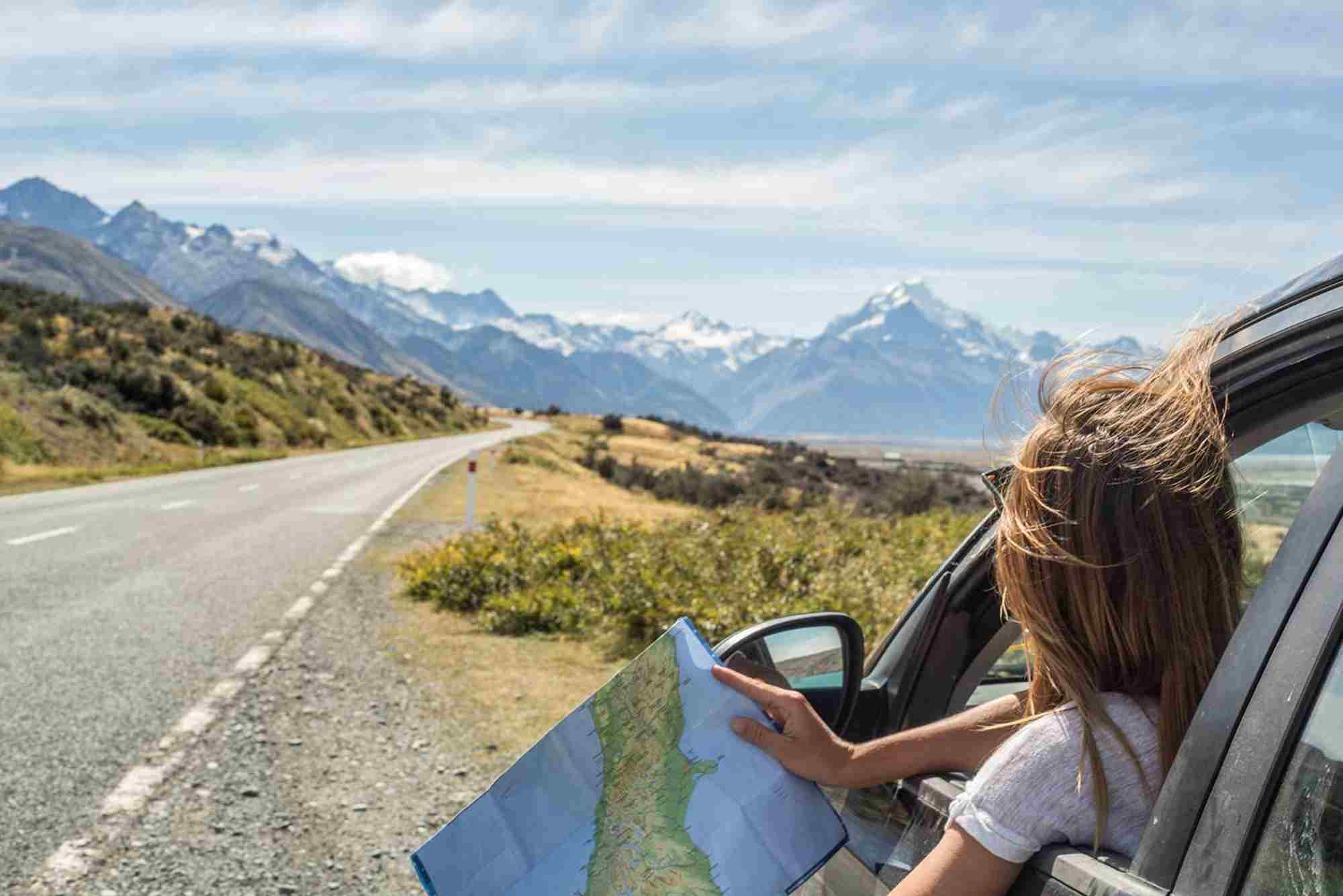
Instead of stopping at crowded commercial rest areas, try to find scenic spots such as riversides, small town parks, mountain viewpoints, or picnic areas. These spots offer quiet environments where you can relax, stretch, and enjoy the surroundings. They also make the journey more memorable without adding extra costs.
Use Navigation Apps to Avoid Detours
Navigation apps help you plan efficient pit stops by suggesting nearby fuel stations, rest stops, and food options. These apps also alert you to traffic delays, roadwork, and accidents. By adjusting your route early, you avoid long detours that waste both time and money.
Check Local Tourism Websites
Local tourism pages often highlight budget-friendly stops, hidden attractions, and rest areas that travelers may not know about. These stops usually offer clean facilities and beautiful views. They are ideal for breaking up long drives without spending extra money.
Stop at Family-Friendly Areas
If you’re traveling with children, finding places with safe play areas or open spaces is important. This prevents restless behavior and reduces the need for unplanned stops. Many modern fuel stations now offer playgrounds, shaded seating, and clean restrooms.
Time Your Stops Wisely
Making a stop every two to three hours helps maintain your energy levels while preventing fatigue. Long stretches without breaks can make you less alert. Short, planned stops help you stay refreshed and avoid long, unplanned breaks later.
Best Types of Road-Trip Pit Stops That Save Money
Different types of stops offer unique advantages. Choosing the right one depends on your goals, route, and budget.
Public Parks
Parks are ideal for relaxing, stretching, and enjoying a peaceful break. They are free, spacious, and great for picnics. Many parks also offer restrooms, shaded areas, and safe parking.
Visitor Centers
Visitor centers offer free maps, travel information, and clean restrooms. These centers are usually located near highways and tourist routes. The staff can also guide you to affordable local restaurants or scenic spots.
State or National Rest Areas
These rest areas are clean, monitored, and designed for travelers. They offer picnic tables, pet areas, and vending machines at reasonable prices. Rest areas help you save time compared to stopping at busy commercial plazas.
Scenic Viewpoints
Stopping at scenic viewpoints allows you to enjoy a short break without spending money. These spots are perfect for photography, stretching, and refreshing your mind.
Farm Shops or Local Markets
Local farm shops offer fresh fruit, baked goods, and snacks at lower prices than stores near highways. They also support local communities and give you a taste of regional culture.
Low-Cost Fuel Stations
Fuel stations located away from major highways often offer much cheaper prices. When you plan your route, search for stations along secondary roads. The savings add up over long distances.
Community Centers or Small Town Squares
Small towns often have clean facilities, affordable food, and quiet public areas. They are great alternatives to busy commercial stops.
Budget-Friendly Food Options During Road Trips
Eating on the road does not have to be expensive. With thoughtful planning, you can enjoy quality meals without overspending.
Pack Homemade Meals
Homemade sandwiches, wraps, and salads are healthier and cheaper. Road-Trip Pit Stops That Save Time and Money Preparing meals before the trip saves time and ensures you always have something ready.
Choose Meal Deals Wisely
If you must eat out, look for combo meals or value menus. These options offer good portions at lower prices. Avoid buying extra drinks or snacks, as these add up quickly.
Buy in Bulk Before Leaving
Stock up on snacks, water, and fruit before your trip. Buying items in bulk is much cheaper than buying them at gas stations.
Drink Water Instead of Soda
Water keeps you hydrated and saves money. Bring a reusable bottle and refill it at rest stops.
How to Maximize Time While Stopping
Time is often the most valuable resource during road trips. These strategies help you stay on schedule.
Plan Stops on the Same Side of the Highway
Stopping on the opposite side forces you to make a U-turn or take an exit that may add extra minutes. Choose stops that are directly on your side.
Keep Stops Short
A break of 10 to 15 minutes is usually enough. Long stops add up quickly and extend your travel time more than expected.
Prepare a Stop Checklist
Before each stop, know exactly what you need. This avoids unnecessary wandering and saves time.
FAQs About Road-Trip Pit Stops
What are the best places to stop during a road trip?
The best places include rest areas, local parks, scenic viewpoints, low-cost fuel stations, and grocery stores. These offer convenience and savings.
How often should you stop when driving long distances?
Most experts recommend stopping every two to three hours to stay alert and avoid fatigue.
How can I save money during a road trip?
Plan stops ahead, bring snacks, compare fuel prices, avoid peak traffic, and choose multi-purpose stops.
Is it better to stop at rest areas or gas stations?
Rest areas are great for quick free breaks, while gas stations are ideal for fuel and food. Choose based on your needs.
How do I choose safe pit stops?
Look for well-lit areas with security, clean facilities, and steady traffic. Avoid isolated or poorly maintained locations.
Smart road-trip pit stops help you save time, cut costs, and enjoy a more comfortable journey. When you plan wisely, you reduce stress and create memorable experiences along the way. Whether you are driving for leisure or exploring new places, strategic stops make the trip smoother and more enjoyable. For more travel insights, ideas, and destination guides, you can visit Tour by Road and plan your next adventure with confidence.
