






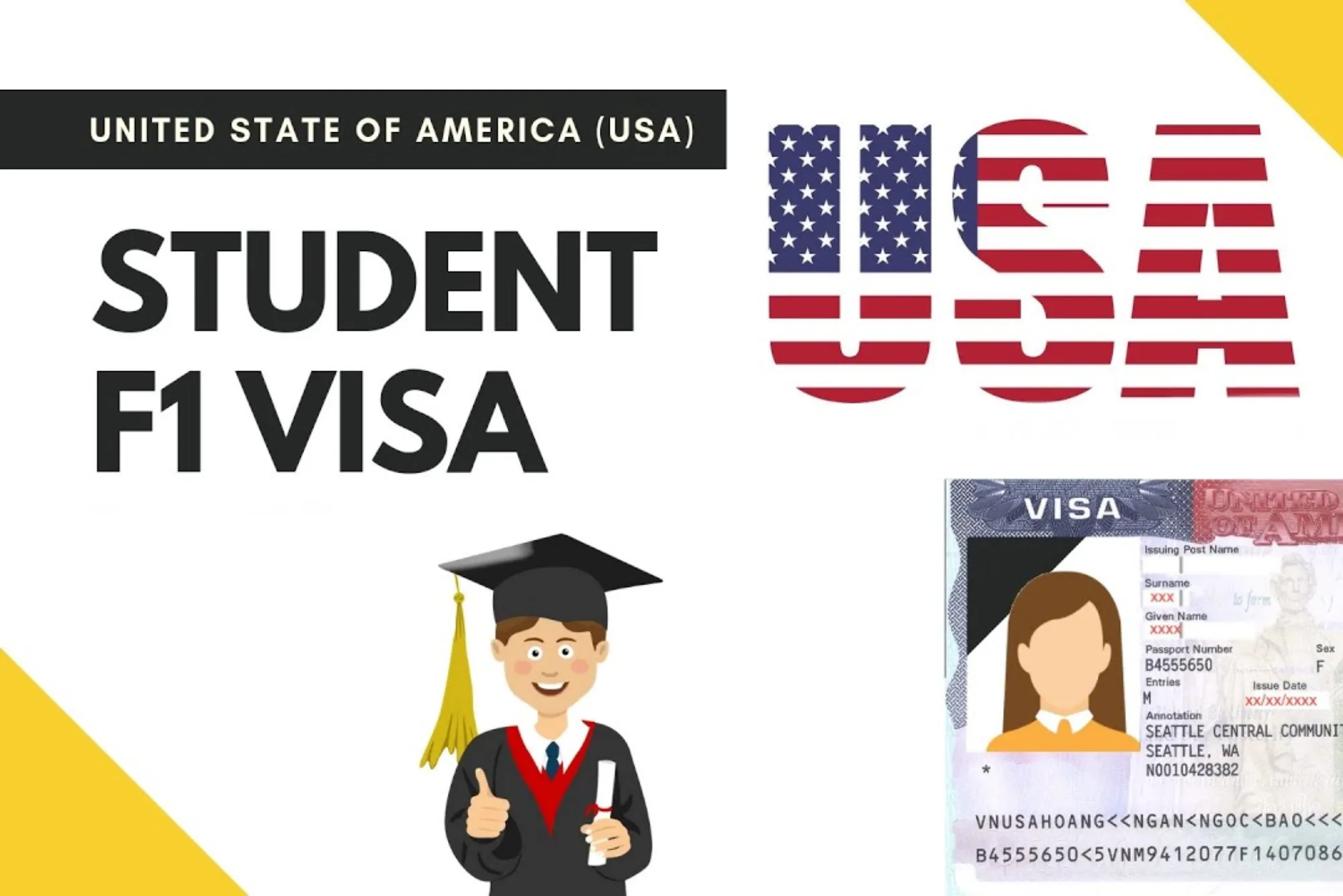
Studying in the United States is a goal for hundreds of thousands of international students every year, and the visa application process is the first major hurdle on that journey. One of the most searched questions among prospective students is straightforward: how much does a US student visa actually cost? The answer involves more than a single number. The US student visa price in 2026 is made up of several distinct fee components — and understanding each one helps you budget correctly from the start, without being caught off guard by costs you did not anticipate.
This guide covers every fee involved in the F-1 and M-1 student visa application process, from the mandatory government charges to the optional extras, along with a clear breakdown of what each payment covers and when it needs to be made.
Quick Answer: What Is the US Student Visa Price in 2026?
The total cost of a US student visa in 2026 typically falls between $535 and $630 USD for most F-1 applicants. This combines the $185 MRV application fee, the $350 SEVIS fee, and applicable visa application center service charges. The M-1 vocational student visa carries the same core fees. These amounts are non-refundable and must be paid before your visa interview is scheduled.
The Two Main Fee Components Every Student Must Pay
Unlike some other visa types, US student visas require two separate mandatory payments made to two different US government entities. Both must be completed before you can schedule your consular interview, and neither is refundable regardless of the outcome of your application.
The MRV Fee (Machine Readable Visa Fee)
The MRV fee is the standard non-immigrant visa application fee charged by the US Department of State. For student visa categories — including F-1 (academic students) and M-1 (vocational students) — this fee is $185 USD as of 2026. This fee covers the cost of processing your visa application and scheduling your interview at the US Embassy or Consulate in your country.
The MRV fee is paid through the official US visa portal specific to your country. In most markets, payment can be made via bank transfer, at designated bank branches, or by credit card through the online scheduling system. Once paid, you receive a receipt number that must be entered when booking your interview slot.

The SEVIS Fee
The SEVIS fee is a separate charge paid to the US Department of Homeland Security to fund the Student and Exchange Visitor Information System — the database that tracks international students throughout their time in the United States. Every F-1 and M-1 visa applicant must pay this fee before attending their visa interview.
For F-1 academic student visa applicants, the SEVIS fee is $350 USD. For M-1 vocational student visa applicants, it is also $350 USD. The SEVIS fee is paid online at the official FMJfee.com website using a credit or debit card, and payment confirmation must be printed and brought to the visa interview along with all other required documents.
Full Fee Breakdown by US Student Visa Category
| Fee Component | F-1 Academic Student | M-1 Vocational Student | Paid To |
|---|---|---|---|
| MRV Application Fee | $185 | $185 | US Department of State |
| SEVIS Fee | $350 | $350 | US Department of Homeland Security |
| Visa Application Center Service Fee | $20 – $60 (varies by country) | $20 – $60 (varies by country) | Local VAC provider |
| Visa Issuance Reciprocity Fee | Varies by nationality | Varies by nationality | US Embassy (post-approval) |
| Estimated Total | $555 – $595+ | $555 – $595+ | Multiple |
These figures represent the core mandatory costs. Additional charges may apply depending on your nationality, country of application, and individual circumstances. Always verify the current fee schedule through your local US Embassy website before making any payment.
Additional Costs That Can Affect Your Total Budget
Beyond the two primary fees, several additional costs are commonly encountered during the US student visa application process. These are not universal — some apply only to certain nationalities or visa types — but they are worth anticipating in your financial planning.
Visa Issuance Reciprocity Fee
After your student visa is approved, some nationalities are charged a reciprocity fee before the visa is issued. This fee is based on what the applicant’s home country charges American citizens for equivalent visa categories. The amount varies significantly by nationality — it may be zero for many countries, or it may run to several hundred dollars for others. Citizens of countries such as Brazil, Canada, and several African nations have historically been subject to reciprocity fees on certain US visa types. You can check the current reciprocity fee schedule for your country on the US Department of State website.
Visa Application Center Service Fee
In most countries, student visa applicants must submit their biometric data and supporting documents through a Visa Application Center (VAC) operated by a third-party provider authorized by the US Embassy. These centers charge a service fee for document handling, biometric collection, and optional courier and premium lounge services. Basic service fees typically range from $20 to $60 USD equivalent, depending on the country and provider. Premium services such as SMS notifications, document scanning, or home delivery of your passport cost extra.
Document Preparation and Translation Costs
While not a government fee, many applicants incur costs related to preparing their application documents. Academic transcripts, financial statements, and other supporting documents that are not in English may require certified translation, which typically costs between $20 and $60 per document depending on length and language. Some universities also charge fees for issuing official transcripts or enrollment letters in the format required by the US Embassy.
Health Insurance
Most US universities and colleges require international students to maintain health insurance throughout their enrollment. While this is not a visa fee per se, it is a mandatory cost closely tied to the student visa and is worth factoring into your total budget. Annual student health insurance through a US institution typically ranges from $1,500 to $3,000 USD per academic year, though this varies significantly by school and coverage plan.
When and How to Pay Each Fee
The sequencing of fee payments matters. Paying in the wrong order can delay your application or prevent you from scheduling your interview on time. Here is the correct payment sequence for US student visa applicants:
Receive your I-20 form from your enrolled US school. This document contains your SEVIS ID number, which is required to pay the SEVIS fee.
Pay the SEVIS fee at FMJfee.com using your SEVIS ID. Keep your payment confirmation — you will need to present it at your visa interview.
Complete the DS-160 online visa application form on the official CEAC portal. Save your application ID number when finished.
Pay the MRV fee through the visa scheduling portal for your country. This payment unlocks your ability to book an interview appointment.
Schedule your visa interview at your nearest US Embassy or Consulate after both payments are confirmed.
Attend your interview with all required documents, including both payment receipts, your DS-160 confirmation page, your I-20, passport photos, and supporting financial documents.
Following this sequence ensures there are no administrative delays between your payment and your interview booking. In some high-demand markets, interview wait times can run from several weeks to several months, so initiating this process early — ideally six months before your intended program start date — is strongly advisable.
Students who will be traveling to the US from international hubs should also budget for their flight costs well in advance, as international airfares fluctuate considerably depending on your origin and season. Checking airline ticket price trends for international routes gives a useful reference point for understanding how to approach air travel budgeting alongside visa costs.
Estimated Total Cost Summary for F-1 Student Visa Applicants
| Cost Component | Amount (USD) | Notes |
|---|---|---|
| MRV Application Fee | $185 | Non-refundable; paid before interview booking |
| SEVIS Fee (F-1) | $350 | Non-refundable; paid before interview; requires I-20 |
| VAC Service Fee | $20 – $60 | Varies by country and service level |
| Reciprocity Fee | $0 – varies | Nationality-dependent; check DOS reciprocity table |
| Document Translation | $0 – $120 | Only if non-English documents require certified translation |
| Total Estimated Range | $555 – $715+ | Varies by nationality and individual application needs |
Are US Student Visa Fees Refundable?
Neither the MRV fee nor the SEVIS fee is refundable under any circumstances. This applies whether your visa application is denied, you withdraw your application voluntarily, you miss your scheduled interview, or your school enrollment falls through. The non-refundable policy is absolute and there are no appeal mechanisms for fee recovery.
This makes it critical to be fully prepared before submitting payment. Ensure your I-20 is correct, your financial documentation is sufficient, and your academic qualifications are in order before initiating the fee payment process. A strong, well-documented application reduces the risk of denial and protects your investment in the fee payments you have already made.
According to the US Department of State provides official guidance on student visa requirements, fee schedules, and documentation standards — and consulting this source directly before beginning your application is strongly recommended.
Common Mistakes That Cost Applicants Extra Money
Paying the SEVIS fee before receiving the I-20: The SEVIS fee requires your SEVIS ID from the I-20 form. Attempting to pay without this information leads to processing errors.
Paying the wrong MRV fee amount: Different visa categories carry different MRV fees. Ensure you are paying the correct amount for the F-1 or M-1 category specifically.
Missing the interview without rescheduling in time: A missed appointment does not result in a refund. You must pay a new MRV fee to rebook in many markets.
Failing to account for reciprocity fees: These are charged post-approval and can come as a surprise if not researched in advance.
Using unofficial third-party payment services: Only pay through official US Embassy-designated channels. Unofficial services can result in payment failures, fraud, or delays.
Planning Your Budget Beyond the Visa Fee
The visa fee is just the beginning of the financial picture for international students heading to the United States. Once your visa is approved, accommodation costs become the next major consideration. Whether you plan to live on campus or find private housing near your university, understanding typical costs for student-friendly accommodation is an important part of your overall planning.
For students researching housing options in smaller US cities, detailed lodging guides covering US destinations provide a practical starting point for understanding what different types of accommodation look like in terms of pricing and facilities across various regions of the country.
Beyond housing, students will need to budget for initial setup costs such as bedding, kitchenware, and basic furnishings — particularly for those who will not be living in furnished university dormitories. The practical side of settling into life in the US involves dozens of smaller financial decisions that compound quickly when not planned for in advance.
Frequently Asked Questions
How much is the SEVIS fee for an F-1 student visa in 2026?
The SEVIS fee for F-1 academic student visa applicants is $350 USD in 2026. This is paid separately from the MRV application fee, directly to the US Department of Homeland Security via the FMJfee.com website using your SEVIS ID from your I-20 form.
Can I get a refund on my US student visa fee if my application is denied?
No. Both the $185 MRV fee and the $350 SEVIS fee are completely non-refundable, regardless of the outcome of your application. This policy applies equally to visa denials, withdrawals, and missed interview appointments.
Do I need to pay the SEVIS fee again if I transfer to a different US university?
In most cases, no — if you are transferring between US institutions while maintaining your student status and your SEVIS record remains active, you do not need to pay a new SEVIS fee. However, if your SEVIS record was terminated and you need to apply for a new visa, a fresh SEVIS fee payment is required.
Is the US student visa fee the same in every country?
The MRV fee of $185 and the SEVIS fee of $350 are set by the US government and apply universally regardless of where you apply. However, the visa application center service fee varies by country, and some nationalities are also subject to a reciprocity fee that differs based on their home country’s visa policies toward American citizens.
When should I pay the SEVIS fee relative to my visa interview date?
The SEVIS fee should be paid at least three business days before your visa interview to ensure the payment is processed and recorded in the system. Many applicants pay it as soon as they receive their I-20, which also helps ensure there are no delays when scheduling the interview appointment.
The US student visa price in 2026 consists of two mandatory government fees — the $185 MRV application fee and the $350 SEVIS fee — along with variable costs for visa application center services, potential reciprocity charges, and document preparation. For most F-1 applicants, the realistic total falls between $555 and $715 USD before travel and accommodation expenses are factored in. Knowing this breakdown in advance allows you to plan your finances clearly, pay each fee in the correct sequence, and approach your interview without any last-minute surprises. Always verify the current fee schedule and payment methods through your local US Embassy or the official US Department of State website before beginning the process.
Related Reading: Price of Canada Visa in 2026: Updated Fees and Complete Cost Breakdown
Related Reading: England Student Visa Price in 2026: Updated Fees and Price Breakdown
Related Reading: Student Visa Price for USA in 2026: Updated Fees and Price Breakdown
Related Reading: F1 Visa Price in 2026: Updated Fees and Full Cost Breakdown
Related Reading: Student Visa USA Price in 2026: Updated Fees and Price Breakdown
Related Reading: Kenya Visa Price in 2026: Updated Fees and Complete Cost Breakdown

